
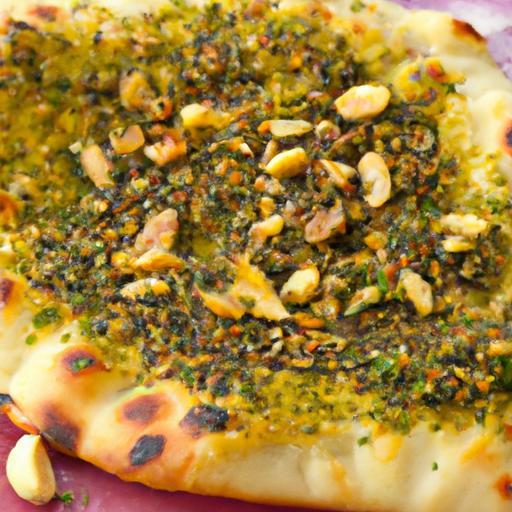
In the heart of the Levant lies a culinary treasure that has captivated taste buds for centuries: Lebanese Za’atar Manakish. More than just a simple flatbread, this golden, herb-scented delight is a vibrant tapestry of history, culture, and flavor woven together with the aromatic blend of za’atar spices. Unlocking the secrets behind its perfect balance of crispy crust, tangy cheese, and earthy herbs invites us into a world where tradition meets artistry-where every bite tells a story of ancient olive groves, bustling souks, and warm family gatherings.Join us as we explore the art of Lebanese Za’atar Manakish, uncovering how this humble dish transforms into an unforgettable experience of taste and heritage.
Unlocking flavors begins with the artful mastery of Lebanese za’atar manakish, a beloved dish steeped in heritage and layered with vibrant, herbal notes. This traditional flatbread,generously adorned with za’atar-a fragrant blend of thyme,sumac,and sesame seeds-transports you directly to the bustling streets of Beirut and the warm gatherings of lebanese homes. The first bite delivers an irresistible blend of earthiness and tang, beautifully balanced by the crisp, golden crust beneath. Today, you’ll explore not only the origins and timeless traditions surrounding za’atar but also the secrets behind crafting the perfect dough and assembling this iconic dish.
Prep and Cook Time
- Preparation: 15 minutes
- Rising: 1 hour
- Cooking: 10-12 minutes
- Total: Approximately 1 hour 30 minutes
Yield
Makes 6 medium-sized za’atar manakish
Difficulty Level
Medium – Perfect for home cooks ready to explore Middle Eastern flavors with confidence.
ingredients
- For the Dough:
- 2 ½ cups all-purpose flour, sifted
- 1 cup warm water (about 110°F/43°C)
- 2 tsp active dry yeast
- 1 tsp sugar
- 1 tsp salt
- 2 tbsp olive oil, plus more for brushing
- For the Za’atar Blend:
- 3 tbsp dried thyme (Lebanese or Mediterranean thyme ideally)
- 2 tbsp sumac (for that signature tangy brightness)
- 2 tbsp toasted sesame seeds
- 1 tsp dried oregano
- 1 tsp salt, or adjusted to taste
- 4 tbsp extra virgin olive oil (to mix into the za’atar topping)
Instructions
- Activate the yeast: In a small bowl, combine warm water, sugar, and active dry yeast. Stir gently and let it bloom for 5-7 minutes untill foamy. This signals active yeast.
- Prepare the dough: In a large mixing bowl, whisk together sifted flour and salt. Create a well in the center and pour in the yeast mixture along with 2 tablespoons of olive oil. Gradually incorporate the flour into the liquid using a spatula or your hands until a shaggy dough forms.
- Knead to perfection: Transfer the dough onto a floured surface. Knead firmly for 8-10 minutes until the dough becomes smooth,elastic,and just slightly tacky. (Tip: If too sticky, sprinkle in flour a little at a time; too dry, add water sparingly.)
- Let it rise: Shape the dough into a ball and place it in a lightly oiled bowl, turning once to coat. Cover with a damp cloth or plastic wrap, and let ferment in a warm spot for about 1 hour or until doubled in size.
- Crafting the za’atar blend: While the dough rises, combine dried thyme, sumac, oregano, toasted sesame seeds, and salt in a small bowl. Drizzle in 4 tablespoons of olive oil and stir until smooth and spreadable.Adjust salt and olive oil amounts to your liking for the perfect balance.
- Shape the manakish: Preheat your oven to 475°F (250°C) and place a baking stone or sheet inside to heat. Divide the dough into 6 equal pieces. Roll each piece into a 7-inch circle on a lightly floured surface, aiming for even thickness without tearing.
- Top with za’atar: Spoon a generous layer of the za’atar mixture onto each dough circle.Using the back of a spoon, spread evenly but leave a small border around the edges for crispness.
- Bake to golden crisp: Transfer each flatbread onto the hot baking stone or sheet carefully. Bake for 8-12 minutes or until the crust is puffed, golden, and the za’atar topping is sizzling lightly.
- finish and serve: Remove from the oven, brush edges with a touch of olive oil for shine, and let cool for a minute before slicing. Serve warm for an authentic taste experience.
Tips for Success
- Za’atar blend variations: While the classic mix is essential, feel free to experiment by adding a pinch of ground cumin or dried marjoram for subtle depth.
- dough troubleshooting: If your dough feels stubborn or dry, extend the kneading time slightly or increase water by teaspoons while mixing.
- Toasting sesame seeds: Toast sesame seeds on medium heat for 2-3 minutes until golden and aromatic-this step is critical to unlocking their nutty flavor.
- Make-ahead option: You can prepare the dough a day in advance. After kneading, refrigerate overnight in an airtight container. Bring to room temperature before shaping.
- Oven alternatives: If you don’t have a baking stone, a preheated cast-iron skillet works beautifully for stovetop cooking.
Serving Suggestions and Pairings
Nothing elevates a Lebanese za’atar manakish experience quite like thoughtful accompaniments. Serve warm alongside fresh labneh drizzled with olive oil and a sprinkle of dried mint for creamy tanginess that balances the herbal za’atar. Radiant slices of ripe tomatoes, cucumber ribbons, and crisp radishes add refreshing crunch and color. For a traditional touch, offer small bowls of pickled turnips and olives. A side of steaming mint tea or a cold yogurt-based drink complements the rustic flavors wonderfully. Garnish freshly baked manakish with a light dusting of fresh thyme and a drizzle of honey for a delightful sweet-savory contrast that’s sure to surprise your guests.
| Nutrient | Amount per serving |
|---|---|
| calories | 240 kcal |
| protein | 6 g |
| Carbohydrates | 35 g |
| Fat | 8 g |
Explore other traditional lebanese recipes to deepen your culinary journey. For more about za’atar’s rich cultural significance and health benefits, check out this insightful Britannica article on za’atar.

Q&A
Q&A: Unlocking Flavors - The Art of Lebanese Za’atar Manakish
Q1: What is Za’atar manakish, and why is it so beloved in Lebanese cuisine?
A1: Za’atar Manakish is a quintessential Lebanese flatbread, generously sprinkled with a fragrant blend of za’atar – a mix of wild thyme, sumac, sesame seeds, and salt – then baked to golden perfection. It’s not just food; it’s a cultural emblem, embodying centuries of tradition and the vibrant spirit of Lebanese hospitality. Loved for its earthy, tangy, and nutty flavors, za’atar manakish is a beloved breakfast staple and a symbol of sharing and community.
Q2: What makes the za’atar blend so special?
A2: Za’atar’s magic lies in its harmonious balance of herbal, citrusy, and nutty notes. Each family, region, or vendor often has a secret recipe, tweaking ratios or adding local herbs that give their blend a unique fingerprint.Traditionally, wild thyme harvested from Lebanese hillsides brings an aromatic intensity, while sumac adds a subtle tartness that brightens every bite. It’s this artisanal craft that makes za’atar more than a spice – it’s the soul of manakish.
Q3: How is Lebanese manakish dough prepared to achieve its perfect texture?
A3: The dough is deceptively simple yet key to brilliance. Made from basic ingredients like flour, water, yeast, salt, and a touch of olive oil, the dough undergoes a patient rising process, allowing gluten to develop and air pockets to form. This results in a crust that’s crispy on the outside, pillowy soft inside - the perfect vessel to carry the za’atar’s vibrant flavors.
Q4: Can you describe the traditional method of baking manakish?
A4: Traditionally, manakish is baked in a clay oven, or taboon, heated by burning wood or charcoal. The intense,even heat crisps the edges and melds the za’atar topping beautifully into the dough,creating an aromatic,slightly smoky finish. Though frequently enough replicated in modern bakeries with electric ovens, it’s the smoky notes of the taboon that give the manakish an authentic character.
Q5: Are there variations of manakish beyond the za’atar topping?
A5: Absolutely! While za’atar reigns supreme, Lebanese cuisine boasts a spectrum of manakish toppings: creamy akkawi cheese, spiced minced lamb, or a simple drizzle of olive oil. However, za’atar manakish remains the heart and soul - a versatile blank canvas that accompanies meals, breakfast, or even a midnight snack.
Q6: How can someone recreate authentic za’atar manakish at home?
A6: To craft za’atar manakish at home, start with fresh, high-quality za’atar – ideally sourced from Middle Eastern markets or made from scratch. Prepare a soft, hydrated dough and roll it thin but not paper-like. Brush with olive oil, sprinkle the za’atar evenly, and bake in a very hot oven (ideally above 450°F/230°C) until golden and fragrant. Pair it with labneh, fresh vegetables, or a glass of mint tea to transport your taste buds straight to Lebanon’s sun-drenched streets.
Q7: What cultural significance does za’atar manakish hold in Lebanese life?
A7: Beyond sustenance, za’atar manakish is a symbol of Lebanese warmth and communal spirit. Sharing manakish in the morning is a ritual that binds family and friends, a daily festivity of simple, honest flavors. It’s a culinary embrace – a taste of home, heritage, and hospitality baked into every bite.
Unlocking the art of Lebanese za’atar manakish invites you to experience a sensory journey – where humble ingredients transform into a timeless tapestry of tradition, flavor, and heart. Whether devoured street-side in Beirut or made lovingly in your kitchen,manakish connects past and present through the universal language of food.
Final Thoughts
As the warm, herbaceous aroma of za’atar lingers in the air, so too does the rich heritage of lebanese manakish-a humble flatbread transformed into a canvas of flavor and tradition. Unlocking the secrets behind this beloved dish reveals more than just a recipe; it offers a glimpse into the vibrant culture and time-honored rituals that infuse every bite. Whether enjoyed fresh from a bustling Beirut bakery or recreated in your own kitchen, mastering the art of za’atar manakish is an invitation to savor history, community, and the everlasting magic of simple, authentic ingredients. So next time you break bread, let the essence of za’atar tell its story-one sprinkle at a time.