
There’s something undeniably comforting about a steaming bowl of ramen-a harmonious medley of rich broth,tender noodles,and vibrant toppings that dance together with every spoonful. But crafting the ultimate ramen bowl is more than just following a recipe; it’s an art form that balances flavor, texture, and aroma to create an unforgettable experience. In this article, we’ll dive deep into the secrets behind building layers of taste, from simmering the perfect broth to selecting the ideal accompaniments, ensuring that every bite bursts with soulful goodness. Prepare to embark on a flavorful journey that will elevate your ramen game and redefine your expectations of this beloved japanese classic.
the Ultimate Ramen Bowl Recipe: Flavor in Every Bite begins with a thoughtful foundation-choosing the perfect broth base that unlocks richness and depth. This ramen isn’t just a meal; it’s an experience that evokes the cozy streets of Tokyo and the comforting warmth of a lovingly crafted bowl.Elevating every spoonful requires mastering each component, from broth to noodles, toppings to seasonings, culminating in a harmonious balance that delights every sense.
Prep and Cook time
- Planning: 25 minutes
- Cooking: 1 hour 15 minutes
- Total: 1 hour 40 minutes
Yield
Serves 4 generous bowls
Difficulty Level
Medium – perfect for home cooks ready to elevate their ramen game
Ingredients
- For the Broth Base:
- 4 cups chicken stock, preferably homemade or low-sodium
- 2 cups kombu dashi (kelp broth), strained
- 1 cup dried shiitake mushroom broth, brewed
- 1 tbsp toasted sesame oil
- 3 cloves garlic, smashed
- 1-inch piece fresh ginger, sliced
- 2 tbsp soy sauce (low sodium)
- 1 tbsp rice vinegar and 1/2 tbsp sugar
- 1 tsp sea salt, adjusted to taste
- For the Noodles:
- 12 oz fresh ramen noodles or high-quality dried noodles
- 1 tbsp baking soda (optional, for alkaline effect to replicate authentic chew)
- Fresh Toppings:
- 2 soft-boiled eggs, halved
- 1 cup sliced shiitake mushrooms, sautéed in sesame oil
- 1 cup blanched baby bok choy
- ½ cup finely shredded green onions
- 1 sheet toasted nori, cut into strips
- 1 tbsp pickled ginger, thinly sliced
- Seasonings and Garnishes:
- 1 tsp toasted white sesame seeds
- Freshly cracked black pepper, to taste
- Chili oil or rayu (optional)
Instructions
- Prepare the Broth Base: In a large pot, combine chicken stock, kombu dashi, and shiitake mushroom broth. Add garlic cloves and ginger slices.
- Bring the mixture to a gentle simmer over medium heat. Reduce heat to low and let it infuse for at least 45 minutes to an hour to develop deep, layered flavors.
- Strain the broth through a fine sieve into another pot, discarding solids. Stir in soy sauce, rice vinegar, sugar, toasted sesame oil, and sea salt. Keep warm on very low heat.
- Master the Noodles: If using fresh noodles, cook in a large pot of boiling water for 2-3 minutes or according to package instructions until just al dente. For dried noodles, add a pinch of baking soda to the boiling water to mimic alkaline water, boosting chewiness.
- Drain noodles promptly, rinse briefly under cold water to stop cooking, then reheat by plunging into hot water for 10 seconds before assembling to achieve the perfect springy bite.
- Prepare Toppings: while broth simmers, soft-boil eggs (boil for 6-7 minutes, then shock in iced water before peeling).
- Sauté shiitake mushrooms in toasted sesame oil until tender and slightly caramelized, about 5 minutes. Blanch baby bok choy briefly to maintain vibrant green color and crisp texture.
- Assemble the Bowl: Divide noodles evenly among warm ramen bowls. Ladle the steaming broth over noodles, allowing it to envelop every strand.
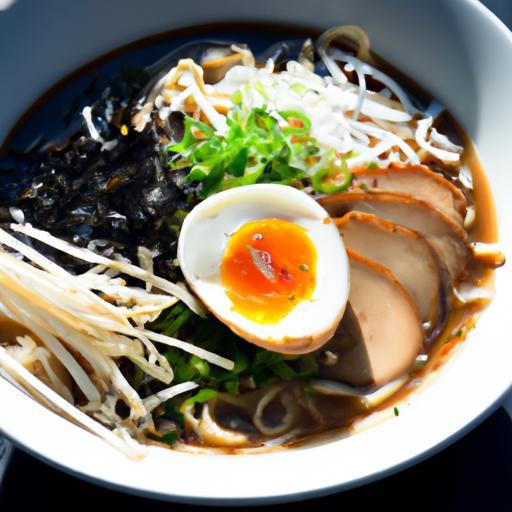
- Artfully arrange toppings-halved eggs, mushrooms, bok choy, green onions, nori strips, and pickled ginger-across the surface.
- Finish with a sprinkle of toasted sesame seeds, a crack of black pepper, and a drizzle of chili oil if desired.
Chef’s Notes: Tips for Success
- Broth Balance: The interplay between umami-rich ingredients like shiitake mushrooms and kombu is the secret to unlocking that bold yet silky richness. Avoid boiling vigorously to prevent cloudiness.
- Noodle Texture: Fresh noodles deliver the best chew; if unavailable, dried ramen noodles with a touch of baking soda in the cooking water elevate texture remarkably.
- Toppings Freshness: always prep ingredients just before serving to retain crunch and vivid colors, creating visual and textural contrast.
- Make-ahead: Broth can be prepared 2 days in advance and refrigerated for flavors to meld.Simply reheat gently before assembling.
- Seasoning Control: Adjust soy sauce and salt gradually-broth flavor should be complex but never overpower intense.
Serving Suggestions
Serve this ramen in deep bowls to showcase its vibrant toppings, making each element visible and inviting. Pair with a side of crispy vegetable gyoza for a complete meal. Garnish with extra green onions and a small spoon of chili oil for guests who crave a spicy kick. A bamboo ramen spoon alongside chopsticks enhances the authentic dining experience.

| nutrient | per Serving |
|---|---|
| Calories | 480 kcal |
| Protein | 28 g |
| Carbohydrates | 52 g |
| Fat | 12 g |
For an in-depth look at broth-making techniques, visit Serious Eats’ Ramen Broth Guide, a reliable resource for unlocking flavor mastery.
Q&A
Q&A: The Ultimate Ramen Bowl Recipe: Flavor in Every Bite
Q1: What makes this ramen bowl recipe “ultimate” compared to other ramen dishes?
A1: The “ultimate” ramen bowl is all about layering rich, balanced flavors and textures in every spoonful.From a deeply savory broth simmered for hours to perfectly cooked noodles with a tender bite, plus a vibrant mix of fresh and umami-packed toppings, this recipe delivers a symphony of tastes that keep you coming back for more. It’s crafted to be comforting yet complex, ensuring flavor in every single bite.
Q2: How can I create a flavorful, hearty broth?
A2: To build a robust broth, start with a foundation of roasted chicken bones, vegetables like onions, garlic, ginger, and kombu (kelp) for that oceanic umami boost. Simmer slowly to extract depth, then add dried shiitake mushrooms and a splash of soy sauce or tamari. This combo creates a savory,layered broth that stands on its own,with rich complexity and subtle sweetness.
Q3: What type of noodles works best for an authentic ramen experience?
A3: Look for fresh or dried alkaline ramen noodles if you want that classic chewy texture that holds up in broth.Their slight elasticity and springiness complement the soup beautifully, preventing mushiness while soaking up the flavorful liquid.If fresh noodles are unavailable, high-quality dried ramen noodles are a great alternative.
Q4: What toppings will truly elevate the flavor and presentation of the ramen bowl?
A4: A triumphant ramen bowl balances textures and colors-think soft-boiled eggs with gooey yolks, thinly sliced green onions for a fresh bite, tender shiitake mushrooms, crisp bean sprouts, and a handful of crunchy roasted seaweed (nori). Add a drizzle of sesame oil or chili oil for an aromatic finish. Each element adds flavor, texture, and visual appeal.
Q5: How do I achieve the perfect soft-boiled egg for ramen?
A5: Timing is key-boil large eggs for exactly six to seven minutes,then immediately plunge them into ice water to halt cooking. peel carefully to reveal a custardy yolk that’s just set around the edges but beautifully runny inside. Marinate for several hours in a mixture of soy sauce, rice vinegar, and a touch of sugar for an added umami punch.
Q6: Are there any plant-based alternatives to create a rich ramen broth?
A6: Absolutely! Use a medley of roasted vegetables such as mushrooms, carrots, onions, and garlic combined with kombu and dried shiitake for umami depth. Simmer these with miso paste for creaminess and a savory backbone. This broth is hearty, nourishing, and packed with flavor-perfect for vegetarians and anyone looking to explore lighter ramen options.
Q7: How important is the seasoning in the final ramen broth?
A7: Seasoning is the soul of ramen. After simmering your broth, balance saltiness with soy sauce or tamari, add a hint of sweetness with sugar, and finish with a touch of acidity through rice vinegar or citrus juice if desired. Each adjustment should be subtle yet purposeful, elevating the layers of flavor without overpowering the natural richness.
Q8: Can I prepare components ahead of time for a quick ramen meal?
A8: Yes! Broth can be made in large batches and refrigerated or frozen for convenience. Marinating eggs overnight enhances their flavor, and many toppings like sliced green onions or toasted sesame seeds can be prepped in advance. When ready to serve, simply reheat the broth, cook fresh noodles, assemble toppings, and enjoy a restaurant-quality bowl at home.
Q9: what kitchen tools make ramen preparation easier and more authentic?
A9: A large stockpot for slow-simmering broth is essential. A fine mesh strainer ensures a clear, silky soup. Ramen-specific chopsticks or a noodle strainer help handle noodles with ease. Lastly, a ramen bowl that’s deep with wide edges makes for a conventional and cozy eating experience, helping to appreciate all the flavors and steam rising from the soup.
Q10: How can I personalize this ultimate ramen bowl recipe to suit my taste?
A10: Ramen is wonderfully adaptable! Swap or add toppings like corn, bamboo shoots, or tofu. Adjust spice with chili flakes or fresh jalapeños. Experiment with broth bases-try a lighter chicken broth one day, or a miso-forward broth the next. The key is to balance the foundational flavor with personal touches, making each bowl your own masterpiece.
In Summary
As you set down your spoon, savoring the last fragrant sip of broth, it’s clear that this ultimate ramen bowl is more than just a meal-it’s a journey through layers of flavor, texture, and tradition. With every slurp,you’ve unlocked a tapestry of umami,crafted to awaken your taste buds and warm your soul. Whether your a seasoned noodle lover or a curious newcomer,this recipe invites you to experiment,personalize,and most importantly,enjoy the art of ramen in the comfort of your own kitchen. So, gather your favourite ingredients, embrace the simmer, and let each bite remind you that true flavor is found in the love and patience poured into every bowl. Happy cooking, and even happier slurping!