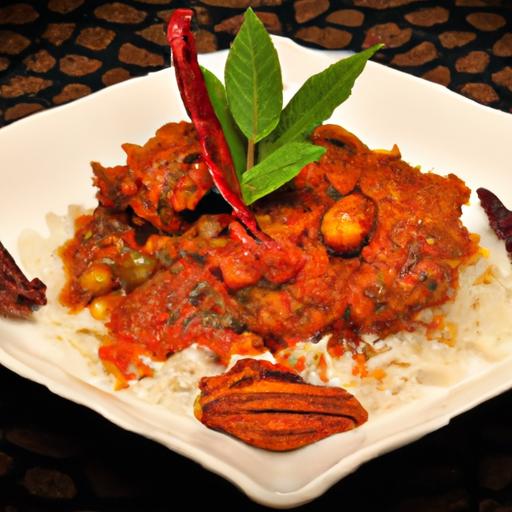
Unlocking flavor: The Secrets of Japanese BBQ Sauce Bliss begins with understanding the delicate dance between sweetness and umami that defines traditional Japanese grilling sauces.This harmony creates a symphony of taste that elevates every charred bite into an unforgettable experiance. Drawing inspiration from decades of Japanese culinary mastery, this guide reveals how simple ingredients and time-honored techniques combine to craft BBQ sauces that are both soul-satisfying and sophisticated.
Prep and Cook Time
- Preparation: 15 minutes
- Marinating: 1 to 12 hours (recommended overnight)
- Cooking/Grilling: 10-15 minutes
Yield
About 1 ½ cups of sauce, perfect for 4-6 servings of grilled meat
Difficulty Level
Medium - Ideal for cooks eager to refine their understanding of Japanese flavors and grilling techniques
The Essential Ingredients That Define Japanese BBQ Flavors
- 1/2 cup soy sauce (naturally fermented for depth)
- 2 tbsp sugar dissolved in 1/4 cup water
- 2 tbsp brown sugar or honey for natural sweetness
- 2 cloves garlic, finely grated
- 1 tsp freshly grated ginger
- 1 tbsp toasted sesame oil
- 1 tbsp toasted sesame seeds (for garnish and texture)
- 2 green onions, thinly sliced
- 1 tsp rice vinegar (balanced acidity to brighten the sauce)
Techniques for crafting the Perfect Marinade and Glaze
- Combine the base liquids: In a medium bowl, whisk together the soy sauce, sugar dissolved in water. This trio lays the savory and sweet groundwork foundational to Japanese BBQ.
- Add sweeteners mindfully: Stir in the brown sugar or honey. Adjust sweetness slightly according to your preference,remembering it will caramelize beautifully during grilling.
- Incorporate aromatics: Blend in the freshly grated garlic and ginger. Their punchy freshness cuts through richness and imparts layers of flavor.
- Introduce fat and acidity: Mix in the toasted sesame oil and rice vinegar. The oil traps flavors and adds a silky mouthfeel,while the vinegar balances the sauce’s sweetness.
- Marinate for maximum umami: Coat your choice of lean grilled meats (like chicken thighs, beef short ribs, or fish) generously. allow the marinade to rest for at least 1 hour, ideally overnight, to fully infuse all components.
- Create a luscious glaze: Reserve some sauce aside before marinating. During the last minutes of grilling, brush it onto meats periodically to build that irresistible sticky, caramelized crust.
- Finish with fresh toppings: Sprinkle with toasted sesame seeds and thinly sliced green onions just before serving for texture, color, and an aromatic lift.
Top Recommendations for Pairing Japanese BBQ Sauces with Grilled Meats
The magic of this Japanese BBQ sauce lies in its versatility. Use it to enhance the succulence of beef yakiniku,the tenderness of marinated chicken thighs,or the subtle flavor of grilled salmon. The umami-rich sauce also pairs exceptionally with charcoal-grilled vegetables like shiitake mushrooms and eggplant, creating a full spectrum of smoky, savory-sweet delights.
For a balanced meal, serve alongside steamed Japanese rice and crisp pickled vegetables, such as cucumber or daikon radish, to refresh the palate. A side of fresh mizuna or arugula salad tossed in a light sesame dressing complements the bold sauce without overpowering.
Ingredients
- 1/2 cup soy sauce (naturally fermented)
- 2 tbsp sugar dissolved in 1/4 cup water
- 2 tbsp brown sugar or honey
- 2 cloves garlic, grated
- 1 tsp fresh ginger, grated
- 1 tbsp toasted sesame oil
- 1 tsp rice vinegar
- Toasted sesame seeds, for garnish
- 2 green onions, thinly sliced for garnish
Instructions
- In a mixing bowl, whisk together the soy sauce, water and sugar to build the umami base.
- Add the brown sugar or honey,whisking until fully dissolved to create a glossy,sweet sheen.
- Stir in the grated garlic and ginger, ensuring even distribution of pungent pockets of flavor.
- Whisk in sesame oil and rice vinegar carefully; these ingredients enhance richness and add brightness, balancing the sauce.
- Reserve 1/4 cup of this sauce aside for glazing during grilling.
- Place your choice of meat in a non-reactive container and pour over the marinade. Turn meat to coat thoroughly.
- Cover and refrigerate for at least 1 hour, preferably overnight, to unlock deep flavor penetration.
- preheat your grill to medium-high heat, then grill meats until cooked through and slightly charred, basting frequently with the reserved glaze for that luscious caramel finish.
- Remove from heat and garnish with toasted sesame seeds and sliced green onions before serving.
Chef’s Notes
- Marinating tips: For extra tenderness, add 1 tbsp grated Asian pear or pineapple, known for their natural enzymes.
- Make ahead: Sauce keeps refrigerated up to 1 week; stir well before use as sugars may settle.
- Charcoal vs.gas grilling: Charcoal grilling imparts authentic smokiness complementing the sauce’s umami-consider this for the authentic experience.
Serving Suggestions
Slice grilled meats thinly against the grain and arrange over a bed of steamed white rice or alongside freshly steamed bok choy. Drizzle extra sauce over the top for luxuriously sticky bites. Garnish with a sprinkle of toasted sesame seeds and scallions to add crunch and color contrast. Pair it with a side of pickled ginger or a simple miso soup to cleanse the palate between bites.

| Nutrient | Per 2 tbsp Serving |
|---|---|
| Calories | 70 kcal |
| Protein | 2 g |
| carbohydrates | 9 g |
| Fat | 2 g |
For those curious about the history and cultural significance of Japanese BBQ sauces, explore our detailed feature on Japanese Grilling Techniques Explained. To deepen your understanding of the fermentation processes behind soy sauce and mirin, visit Soy Sauce association.
Q&A
Q&A: Unlocking Flavor – The Secrets of Japanese BBQ Sauce bliss
Q1: What makes Japanese BBQ sauce so distinct from other BBQ sauces?
A1: Japanese BBQ sauce, often known as Yakiniku tare, stands apart due to its harmonious blend of savory, sweet, tangy, and umami notes. Unlike smoky Western BBQ sauces,it emphasizes soy sauce,and a medley of aromatics,creating a delicate balance that perfectly complements grilled meats and vegetables without overpowering them.
Q2: Which key ingredients form the backbone of a classic Japanese BBQ sauce?
A2: The heart of Japanese BBQ sauce lies in soy sauce, sugar,and grated fruits like apple or pear. These ingredients layer sweetness and acidity, while garlic, ginger, and sometimes sesame add depth and a mild kick. This combination results in a sauce that’s smooth, flavorful, and irresistibly versatile.
Q3: how does fruit enhance the flavor profile of Japanese BBQ sauces?
A3: Fruits,especially grated apple or asian pear,lend natural sweetness and a tenderizing effect to the sauce. They also introduce subtle fruity undertones that brighten the overall flavor, helping to balance the saltiness of soy sauce and create a vibrant, complex taste.
Q4: Can Japanese BBQ sauce be customized for different meats and vegetables?
A4: Absolutely! While its classic formulation pairs beautifully with beef and chicken,you can tweak the sauce by adjusting sweetness,acidity,or spice levels. For grilling vegetables like shiitake mushrooms, eggplants, or green peppers, a lighter touch of sauce or addition of sesame oil can elevate the natural flavors without overwhelming them.
Q5: What cooking techniques best showcase Japanese BBQ sauce?
A5: The magic happens on the grill or a hotplate, where the sauce caramelizes gently as meats or vegetables cook, creating a glossy, flavorful coating. Marinating meats briefly allows the sauce to penetrate, but brushing it on during grilling adds a delectable glaze and intensified aroma-both essential to the true Yakiniku experience.
Q6: Is Japanese BBQ sauce only used for grilling?
A6: Not at all! beyond grilling, this sauce doubles brilliantly as a dipping sauce, marinade, or a finishing drizzle for stir-fries and rice bowls. Its nuanced umami and balanced sweetness can breathe new life into roasted veggies, grilled tofu, or even as a flavorful dressing base.
Q7: How can home cooks replicate authentic Japanese BBQ sauce at home?
A7: To recreate this sauce’s essence, start with good-quality soy sauce and fresh aromatics like ginger and garlic. Incorporate grated fruit for natural sweetness and let the mixture rest to meld flavors. Adjust the sugar to taste.The key lies in balance-every ingredient should shine yet support the whole.
Q8: What tips can help elevate the flavor experience of Japanese BBQ?
A8: Use fresh, seasonal ingredients for grilling, and don’t rush the marinating process-allow the sauce time to infuse. When grilling, watch the heat carefully to achieve caramelization without burning. Lastly, consider garnishing with toasted sesame seeds or chopped scallions to add texture and a fresh burst of flavor.
unlocking the secret to Japanese BBQ sauce is about honoring simplicity and balance.With the right ingredients and techniques, you can transform humble grilled fare into a sensational feast that celebrates umami in deliciously unexpected ways.
future Outlook
As the final sizzle fades and the last bite lingers on your palate, the magic of Japanese BBQ sauce reveals itself-not just as a condiment, but as a carefully crafted symphony of flavors that elevate every morsel. From the delicate balance of umami-rich soy to the subtle sweetness and tang,these sauces unlock a world where tradition meets innovation. Whether you’re a seasoned grill master or a curious newcomer, embracing the secrets of Japanese BBQ sauce invites you to transform ordinary barbecues into unforgettable feasts. So next time you fire up the grill, remember: the true bliss lies not only in the meat but in the artful glaze that brings it to life.
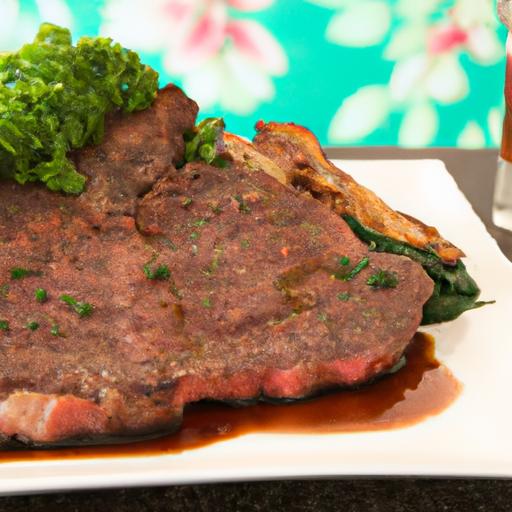
Vindaloo sauce is nothing short of a culinary legend, merging fiery spice and rich flavor into a symphony that dances on the palate. Rooted in the historical crossroads of Indian and Portuguese cuisines, this sauce has evolved over centuries to become a must-try for any lover of heat-infused dishes. Whether it’s the tangy tamarind background or the warming punch of Kashmiri chilies, vindaloo sauce brings a captivating complexity that makes every meal an experience worth savoring.
Prep and Cook Time
- Readiness: 20 minutes
- Cooking: 40 minutes
- Total Time: 1 hour
Yield
Approximately 4 servings of vindaloo sauce.
Difficulty Level
Medium – Perfect for cooks comfortable with spice blends and slow-cooking techniques.
Key Ingredients That Ignite the Signature Vindaloo Heat
- 2 tbsp dried Kashmiri red chilies – for vibrant colour and balanced heat
- 1 tbsp cumin seeds
- 1 tbsp coriander seeds
- 1 tsp black peppercorns
- 1 tsp mustard seeds
- 5-6 whole cloves
- 2-3 dried red chilies (optional, for extra punch)
- 1-inch cinnamon stick
- 3-4 garlic cloves, minced
- 1-inch piece fresh ginger, grated
- 2 tbsp white vinegar (malt or cane vinegar preferred)
- 1 tbsp jaggery or brown sugar
- 1 large onion, finely chopped
- 2 tbsp oil (mustard oil for authenticity or vegetable oil)
- 1 tsp turmeric powder
- Salt to taste
- 1 cup water or stock
Techniques to Perfect the Balance Between Spice and Flavor
- Roast the whole spices (cumin, coriander, black peppercorns, mustard seeds, cloves, cinnamon stick, and dried chilies) in a dry pan over medium heat until aromatic, stirring constantly to avoid burning – about 2-3 minutes.
- Grind the roasted spices finely into a powder using a mortar and pestle or spice grinder. This fresh-ground spice mix is the heart of the vindaloo sauce, delivering deep, fragrant heat.
- Sauté the onion slowly in hot oil until golden brown and caramelized, about 8-10 minutes.This step builds a rich,sweet foundation that tempers the fiery spices beautifully.
- Add ginger and garlic, cooking until fragrant but not browned, to keep their sharpness alive.
- Incorporate the ground spices and turmeric, frying them gently until the oil separates from the mixture-usually 2-3 minutes. This process “blooms” the spices for maximum flavor extraction.
- Stir in the vinegar and jaggery,creating a complex layer of tangy sweetness-signature to vindaloo’s depth.
- Simmer gently with water or stock until the sauce thickens and flavors meld, about 25-30 minutes, stirring occasionally.
Expert Tips for Pairing Vindaloo Sauce with Diverse Dishes
vindaloo sauce’s robust personality pairs effortlessly beyond just the traditional lamb or beef. Its bold heat complements tender pieces of chicken or goat beautifully, adding depth to vegetarian staples like hearty potatoes or eggplant.Try spooning vindaloo sauce over roasted cauliflower or paneer for a fiery vegetarian delight. when serving,garnish with fresh cilantro or a wedge of lime to cut through the richness and brighten the dish. A side of cooling raita or creamy yogurt-based salad can also beautifully balance the heat, creating a complete and satisfying meal.
Instructions
- Toast the whole spices: in a dry skillet over medium heat, roast the cumin, coriander, black peppercorns, mustard seeds, cloves, cinnamon, and dried red chilies until fragrant (2-3 minutes). Remove from heat and grind to a fine powder. Set aside.
- Sauté onions: Heat oil in a heavy-bottom pan and add the finely chopped onions.Cook on medium-low heat,stirring often,until golden and caramelized,about 8-10 minutes.
- Add aromatics: Stir in the minced garlic and grated ginger. Cook for 1-2 minutes until aromatic but do not let it brown.
- Blend in spices: Add ground spice mix and turmeric powder. Fry the mixture gently until the oil begins to separate, enhancing the spice flavors (about 2-3 minutes).
- Introduce vinegar and sweetener: Add vinegar and jaggery, stirring well to combine and create the tantalizing tang-sweet balance.
- Simmer the sauce: Pour in water or stock and bring to a gentle boil. Reduce heat to low and simmer uncovered for 25-30 minutes,stirring occasionally,until thickened to your desired consistency.
- Adjust seasoning: taste and add salt as needed. If the sauce is too sharp, a pinch more jaggery can mellow it.
Chef’s Notes
- Make ahead: Vindaloo sauce develops even more character when refrigerated overnight. Reheat gently before serving.
- Vinegar choice: use malt or cane vinegar to maintain authentic tang without overpowering sharpness.
- Heat customization: Adjust the Kashmiri chili amount for milder or fierier results. For milder flavor, reduce dried chilies by half.
- Substitutions: If jaggery is unavailable, brown sugar works well but adds a slightly different sweetness.
- Oil selection: Mustard oil delivers authentic aroma, but vegetable or sunflower oil offers a neutral taste for beginners.
Serving Suggestions
To highlight the vibrant, multi-dimensional taste of vindaloo sauce, serve it with fragrant basmati rice or warm naan bread.garnish with freshly chopped cilantro and thin slices of red onion for contrast.For a refreshing counterpoint to the intense heat, include a bowl of cooling cucumber raita or a yogurt-mint dip. Don’t hesitate to drizzle a squeeze of fresh lime juice over the dish just before serving-this brightens the bold flavors and balances the spice beautifully.
| Nutrient | Per Serving |
|---|---|
| Calories | 145 kcal |
| Protein | 3 g |
| Carbohydrates | 15 g |
| fat | 8 g |
Learn more about Indian culinary history to deepen your recognition of this rich cultural fusion.
Check out our guide to authentic Indian spice blends to elevate your spice rack and craft more complex dishes with confidence.

Q&A
Q&A: Vindaloo Sauce Unveiled – The Fiery Flavors Explored
Q1: What exactly is Vindaloo sauce and where does it originate?
A1: Vindaloo sauce is a bold, tangy, and spicy curry sauce that hails from the coastal region of Goa, India. Its roots trace back to Portuguese influences,blending local Indian spices with a touch of old-world marinade traditions to create a dish that’s as fiery as it is flavorful.
Q2: What gives Vindaloo its signature heat and complexity?
A2: The heat primarily comes from dried red chilies or Kashmiri chilies, which offer both spice and a vibrant red color. The complexity arises from a blend of aromatic spices like cumin, coriander, fennel seeds, mustard seeds, and a generous amount of garlic and ginger. Tamarind or vinegar adds a tangy punch, balancing the heat with a subtle sourness.
Q3: How is Vindaloo sauce different from othre Indian curry sauces?
A3: Unlike creamier or yogurt-based curries, Vindaloo is distinct for its sharp, tangy profile combined with deep spiciness. Traditional Vindaloo uses a marinade involving vinegar and spices, which tenderizes and infuses the dish with layered flavors, making it intense yet balanced.
Q4: Can Vindaloo sauce be paired with proteins other than the typical options?
A4: Absolutely! Vindaloo’s fiery personality pairs beautifully with a variety of proteins such as chicken,lamb,goat,or even seafood like fish and shrimp. It also works wonderfully with hearty vegetables like potatoes, eggplant, or paneer for a vegetarian twist.
Q5: What role does vinegar or acidity play in the Vindaloo sauce?
A5: Acidity is the soul of Vindaloo-it brightens the spicy, earthy spices and prevents the sauce from becoming overly heavy. Vinegar acts as a tenderizer for ingredients and provides that signature tang which cuts through the richness, creating a vibrant, mouthwatering experience.
Q6: Is Vindaloo sauce always extremely spicy?
A6: While traditionally quite hot, the spice level of Vindaloo can be adjusted to taste. The characteristic fiery flavor stems from dried chilies, but by moderating their quantity or substituting milder versions, the curry can be tailored for those who prefer a gentler heat without losing its essence.
Q7: How can home cooks recreate authentic Vindaloo sauce?
A7: Start by roasting and grinding whole spices like cumin, coriander, mustard seeds, and fennel for fresh, intense flavors. Prepare a marinade of garlic, ginger, red chilies, and vinegar. Simmer the protein or vegetables slowly in this sauce, allowing the flavors to meld beautifully. Patience is key to unlocking the depth and punch of Vindaloo.
Q8: What are some common accompaniments when serving Vindaloo?
A8: Vindaloo pairs perfectly with plain basmati rice, fragrant pulao, or Indian breads like naan or roti.Its fiery richness balances well with cooling sides such as cucumber raita or fresh salad, which help tame the heat and refresh the palate.
Q9: Are there regional variations of Vindaloo sauce within India?
A9: Yes! While Goan Vindaloo sticks to the vinegar and spice-heavy tradition, other regions incorporate local tweaks-some add coconut milk for creaminess, others might emphasize the tang with different souring agents. Each variation embraces the core fiery, tangy essence but adds its own cultural flavor footprint.
Q10: What makes Vindaloo sauce a beloved dish around the world?
A10: Vindaloo captivates with its bold balance of sour, spicy, and savory notes-a combination that awakens the senses.Its adaptability across proteins and vegetables, alongside the rustic heritage behind it, has won global fans who crave that perfect bite of fire and flavor with every spoonful.
To Wrap It Up
As the final spoonful of vindaloo sauce lingers on the palate, we uncover more than just a fiery condiment – we discover a tapestry woven from history, culture, and bold spices that ignite the senses. Whether simmered slowly in a rustic kitchen or served sizzling at a vibrant feast, vindaloo’s unique blend of heat and tang continues to capture hearts worldwide. Now, armed with the story behind its fiery flavors, you’re ready to savor every bite with newfound appreciation. So go ahead,dive into the spice-laden mystery of vindaloo sauce,and let your taste buds embark on a journey as rich and thrilling as the sauce itself.
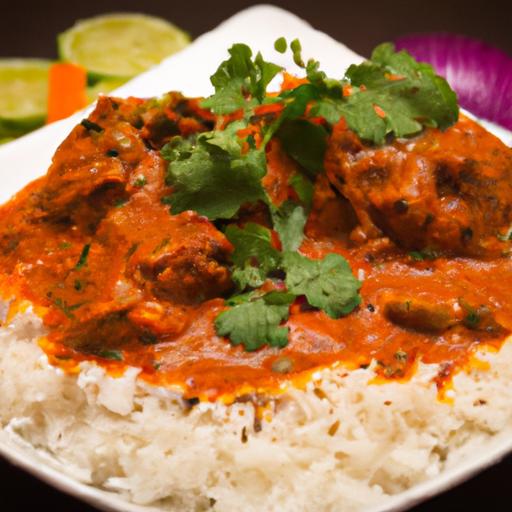
Vindaloo sauce is a legendary culinary tapestry woven from the rich spices and history of Goa,India,interlaced with Portuguese influences. This Vindaloo sauce recipe invites you to embark on a vibrant journey where tangy vinegar, fiery chilies, and warming spices unite to create a symphony of bold flavors unlike any other. Its origin speaks of cultural fusion, transforming humble ingredients into an iconic dish cherished across continents. As you venture into mastering this sauce, prepare to awaken your senses with its deep, aromatic layers and masterful spicy balance.
Prep and Cook Time
- planning: 15 minutes
- Marination: 1 hour (optional but recommended)
- Cooking: 40 minutes
Yield
Serves 4 generous portions
Difficulty Level
Medium – Perfect for cooks ready to gently tame layers of spice with patience and care
Ingredients
- 3 tablespoons vegetable oil (or mustard oil for an authentic touch)
- 2 large onions, finely chopped
- 6 garlic cloves, minced
- 1-inch piece fresh ginger, grated
- 4 dried red chilies, soaked in warm water
- 1 teaspoon cumin seeds
- 1 teaspoon coriander seeds
- 1 teaspoon black peppercorns
- 1 tablespoon paprika (for color)
- 1 tablespoon ground turmeric
- 1 teaspoon mustard seeds
- 2 tablespoons white vinegar (malt or cane vinegar preferred)
- 1 teaspoon cinnamon powder
- 2-3 dried cloves
- 1 tablespoon brown sugar
- 1 cup tomato puree
- Salt to taste
- Water as needed
Instructions
- Prepare the spice blend: Drain soaked dried red chilies. In a dry skillet over medium heat, toast cumin seeds, coriander seeds, black peppercorns, mustard seeds, dried cloves, and cinnamon powder until fragrant, about 2-3 minutes. Let cool slightly, then grind into a fine powder using a spice grinder or mortar and pestle.
- Sauté aromatics: Heat oil in a heavy-bottomed pan over medium heat. Add chopped onions and sauté until golden and caramelized, about 8-10 minutes, stirring regularly to avoid burning.
- Add garlic and ginger: Stir in minced garlic and grated ginger; cook for 2 minutes until fragrant but not browned.
- Build the sauce: Add the ground spices to the pan along with paprika, turmeric, and brown sugar. Stir continuously for about 1 minute to toast the spices without scorching.
- Incorporate acidity and sweetness: Pour in white vinegar and tomato puree, mixing thoroughly. Allow the mixture to simmer gently for 5 minutes, stirring to combine flavors.
- Adjust consistency: Add water as needed to achieve your preferred sauce thickness. Simmer uncovered for 20-25 minutes, stirring occasionally, until the sauce is rich and cohesive.
- Season and finish: Taste and adjust salt and sugar. If you enjoy more heat, a pinch of freshly ground black pepper or extra chili flakes can be added now. Remove from heat and let rest for 10 minutes to allow flavors to meld beautifully.
Tips for Success
- Marination boost: For enhanced depth, marinate your choice of protein (chicken, lamb, or vegetables) in a bit of the spiced vinegar mixture for an hour before cooking.
- Mustard oil choice: Using mustard oil will add authentic pungency, but vegetable oil works well for a milder palette.
- Spice grind: Freshly ground spices elevate aroma and complexity. If pressed for time, high-quality store-bought spice powders are an alternative.
- Heat control: Adjust the number of dried chilies to modulate spiciness. Removing seeds before grinding mellows the heat without sacrificing flavor.
- Make ahead: Vindaloo sauce tastes even better the next day as the flavors deepen – perfect for meal prep.
Serving Suggestions
This robust Vindaloo sauce shines when paired with classic steamed basmati rice or soft, buttery naan bread to soak up every spicy drop. garnish with freshly chopped cilantro leaves and a squeeze of lime to lift the vibrant flavors.For an authentic experience, serve alongside cooling raita or a simple cucumber salad to balance the heat.
It also pairs beautifully with hearty legumes like chickpeas or slow-cooked vegetables for a plant-based spin on this traditional favorite.

| Nutrient | Per Serving |
|---|---|
| Calories | 210 kcal |
| Protein | 5 g |
| Carbohydrates | 18 g |
| Fat | 14 g |
Discover more about crafting exquisite indian sauces and spice blends in our Guide to Indian spices. For historical insights into Goan cuisine’s diverse roots, visit Britannica’s Goa overview.
Q&A
Q&A: Vindaloo Sauce Unveiled: Spicy Origins & Bold Flavors
Q1: What is Vindaloo sauce, and where does it originate?
A1: Vindaloo sauce is a fiery, tangy curry known for its bold spices and vibrant flavors. Its origins trace back to goa,India,where Portuguese culinary influences met local Indian spices,creating this iconic dish. While many associate Vindaloo with meat curries, originally it was a delicious fusion of flavors designed to awaken the palate.
Q2: How did Vindaloo get its unique flavor profile?
A2: The unique punch of Vindaloo comes from its balance of heat, acidity, and aromatic spices. Vinegar plays a crucial role, adding a tangy kick that complements the chili peppers and warm spices like cinnamon, cumin, cloves, and mustard seeds. This combination results in a sauce that’s together spicy, sour, and richly flavorful.
Q3: What makes Vindaloo sauce different from other curry sauces?
A3: Vindaloo stands out due to its sharp vinegar undertone paired with robust spices and frequently enough a subtle sweetness from caramelized onions or jaggery. Unlike creamier curries, Vindaloo typically has a thinner, more intensely spiced sauce that awakens the senses with every bite.
Q4: Which spices are essential to authentic Vindaloo sauce?
A4: key spices include dried red chilies,mustard seeds,cumin,coriander,cinnamon bark,black peppercorns,and cloves.These are frequently enough toasted and ground fresh, ensuring the sauce bursts with aromatic complexity and heat.
Q5: Can Vindaloo sauce be enjoyed with vegetarian dishes?
A5: Absolutely! Vindaloo’s vibrant and spicy sauce pairs wonderfully with hearty vegetables like potatoes, cauliflower, or even jackfruit. The sauce’s boldness elevates simple ingredients into a flavorful feast, making it a favorite among vegetarians craving heat and zest.
Q6: What role does vinegar play in Vindaloo sauce?
A6: Vinegar is the soul of Vindaloo’s tanginess. it introduces a sharp acidity that balances the fiery chilies and rich spices, producing a lively sauce that’s bright and memorable. Traditionally, Goan vinegar made from palm or coconut was used, but today, malt or white vinegar also work well.
Q7: How has Vindaloo evolved outside of India?
A7: As Vindaloo traveled globally, it transformed from a traditional dry curry into a variety of interpretations-some hotter, some saucier. Western adaptations often emphasize heat and sweetness, but the core essence of a spicy, tangy, and aromatic sauce remains intact, capturing diners worldwide.
Q8: What cooking tips can definitely help replicate authentic Vindaloo sauce at home?
A8: To achieve authentic flavors,toast and grind whole spices fresh,use vinegar generously,and allow the sauce to simmer slowly,melding the spices and acidity. Balance is key-adjust chili heat carefully,and don’t shy away from a little sugar or caramelized onion to round out the sharpness.
Q9: Is Vindaloo sauce gluten-free and suitable for various dietary needs?
A9: Traditional Vindaloo sauce is naturally gluten-free and dairy-free,making it adaptable for many diets. Just ensure that any store-bought spices or vinegar don’t contain additives. This makes Vindaloo a fantastic option for those seeking bold, allergen-conscious meals.
Q10: Why has Vindaloo sauce remained a beloved staple in global cuisine?
A10: Vindaloo’s enduring popularity lies in its fearless flavor profile-combining heat, tang, and spice in perfect harmony. It excites the taste buds, offers incredible versatility, and carries a story of cultural fusion that resonates with food lovers eager to explore bold culinary adventures.
To Conclude
From the bustling streets of Goa to your very own kitchen, vindaloo sauce carries a legacy as rich and layered as its fiery flavor. Unveiling its spicy origins reveals not just a recipe, but a tale of cultural fusion and culinary adventure. Whether you’re a heat seeker or a flavor explorer, this bold sauce invites you to experience a vibrant blend of history and taste in every bite. So next time you dive into a dish drenched in vindaloo, savor more than just the spice-embrace the story simmering beneath the surface.