
Beneath the vibrant colors of Mexico’s culinary tapestry lies a humble hero that has captured hearts and taste buds across the globe: the taco.More than just a handheld meal, tacos are a vibrant symphony of flavors, history, and culture folded into a simple tortilla. In “Tacos Unwrapped: Exploring Flavors of a Mexican Icon,” we embark on a savory journey to peel back the layers of this beloved street food. From ancient indigenous roots to modern gourmet reinventions, tacos reveal stories of tradition, innovation, and community-one delicious bite at a time. Join us as we unwrap the secrets behind the ingredients, regional styles, and evolving tastes that make tacos a timeless symbol of Mexico’s culinary brilliance.
Tacos Unwrapped: Exploring Flavors of a Mexican Icon
Tacos Unwrapped offers a vivid journey into one of Mexico’s most beloved culinary treasures. Rooted deeply in indigenous tradition and enriched by regional creativity, tacos are far more than a street food-they are a living story of culture, history, and bold flavors. From the fresh corn tortillas of Oaxaca to the fiery carne asada in Baja California, every bite unlocks layers of meaning and mouthwatering delight.
Prep and Cook Time
- Readiness: 20 minutes
- Cooking: 30 minutes
- Total Time: 50 minutes
Yield
Serves 4 – approximately 12 tacos
Difficulty Level
Medium – Perfect for adventurous home cooks ready to explore authentic ingredients and techniques.
Diving into Regional Taco Variations and Traditional ingredients
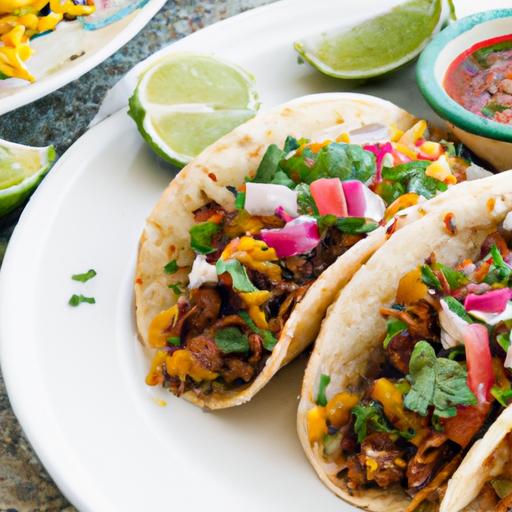
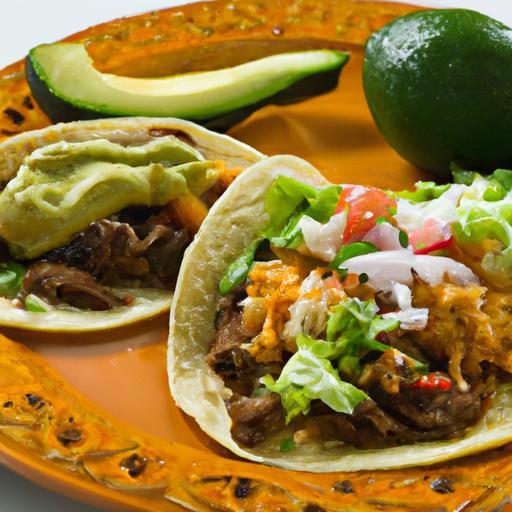
Tacos Unwrapped invites you to discover distinctive regional expressions. In central Mexico, tender beef slowly cooked in lard fill hand-pressed tortillas, creating rich, melt-in-your-mouth bites. Up north, the generous portions of grilled carne asada tacos sizzle with smoky, charred goodness. Coastal regions favor fresh seafood, like crispy battered fish garnished with zesty cabbage slaw. The secret to authenticity? Fresh masa tortillas, a medley of chilies, and herbs like cilantro and epazote.
Ingredients
- 12 small fresh corn tortillas (about 6 inches in diameter)
- 1 lb skirt steak or carne asada, thinly sliced
- 2 tbsp vegetable oil
- 1 small white onion, finely chopped
- 1/2 cup fresh cilantro, chopped
- 2 limes, cut into wedges
- Salt and freshly ground black pepper, to taste
- 1 cup finely shredded cabbage
- 1 fresh jalapeño, sliced thin (optional)
- 1/2 cup homemade salsa verde or store-bought (see Chef’s Notes for preparation)
Mastering the Art of the Perfect Taco Assembly
- Prepare your Steak: Season the skirt steak liberally with salt and pepper. heat vegetable oil in a hot skillet over medium-high heat.
- Cook the Meat: Sear the steak for 3-4 minutes on each side until nicely caramelized but still juicy inside.Remove and let rest 5 minutes.
- Warm the Tortillas: Heat tortillas on a dry skillet or comal until pliable and slightly golden – about 30 seconds per side. Keep warm wrapped in a clean kitchen towel.
- Slice the Steak: Cut the rested meat into thin strips against the grain for tenderness.
- Assemble Tacos: Place a small handful of steak on each tortilla, top with chopped onion, cilantro, shredded cabbage, and jalapeño if using.
- Finish with Salsa and Lime: Spoon salsa verde generously over each taco and squeeze fresh lime juice to brighten flavors.
Chef’s Notes: Tips for Success
- Variation: Swap the skirt steak for succulent chorizo or slow-cooked beef for regional twists.
- Make-ahead Salsa Verde: Blend roasted tomatillos, jalapeños, garlic, onion, cilantro, and a pinch of salt for an authentic, vibrant salsa to elevate every taco.
- Tortilla Tip: For wildly authentic results, use freshly made corn tortillas from a local tortillería or try making masa dough from scratch.
- Storage: Leftover cooked steak can safely be refrigerated for up to 3 days; reheat gently to avoid drying out.
- Texture Balance: The crunch of cabbage against tender meat and smooth salsa is key to an unforgettable taco experience.
Serving Suggestions
Serve these tacos with a vibrant side of pickled red onions, refried black beans, and a sparkling agua fresca. Add extra lime wedges and a bowl of chopped radishes for crunch. For an elegant touch, garnish with edible flowers or sprigs of fresh cilantro. Present tacos on a rustic wooden board lined with parchment paper to evoke the lively Mexican street market ambiance.

| Nutritional Information (per taco) | Calories | Protein | Carbs | Fat |
|---|---|---|---|---|
| Beef Carne Asada Taco | 180 kcal | 15 g | 15 g | 7 g |
Explore more on the deep history behind tacos at Smithsonian Magazine and expand your culinary repertoire with our Mexican Street Food Recipes.
Q&A
Q&A: Tacos Unwrapped – Exploring Flavors of a Mexican Icon
Q1: What makes tacos such an enduring symbol of Mexican cuisine?
A1: Tacos are more than just a dish-they’re a cultural story wrapped in a tortilla. Their simplicity allows endless creativity, combining fresh ingredients, bold spices, and regional traditions. From street vendors to high-end kitchens,tacos unite flavor,history,and community in every bite.
Q2: How did tacos originally come to be?
A2: The taco’s origins trace back to ancient indigenous peoples who used corn tortillas to hold various fillings like fish, insects, and game. The concept evolved over centuries, blending Spanish influences and local ingredients, eventually becoming the beloved street food we savor today.
Q3: What are some iconic taco varieties to try?
A3: Certainly! Classics include:
- Barbacoa: Traditionally pit-cooked meat, offering a smoky, melt-in-your-mouth experience.
- Fish Tacos: Crispy or grilled fish topped with tangy slaw, straight from coastal regions.
- Vegetarian Tacos: Featuring ingredients like huitlacoche (corn fungus) or nopales (cactus), proving tacos thrive beyond meat.
Q4: What role do tortillas play in defining a taco’s flavor?
A4: Tortillas are the taco’s foundation-typically corn or flour. Corn tortillas provide an earthy, slightly sweet backdrop, connecting to ancestral roots, while flour tortillas, softer and pliable, are popular in northern Mexico.The choice affects texture and flavor, making tortillas more than mere wraps-they’re essential flavor players.
Q5: Can tacos be considered a global food?
A5: Absolutely! While tacos are inherently Mexican, they’ve journeyed worldwide, inspiring fusion creations. From Korean BBQ tacos in Los Angeles to vegan jackfruit tacos in Berlin, the taco’s adaptability invites culinary innovation, retaining its soul even as it crosses borders.
Q6: What should novice taco lovers know when exploring new flavors?
A6: Approach tacos like a flavor adventure! Don’t be shy about trying unfamiliar ingredients or regional specialties.Pair with traditional condiments-fresh lime, fiery salsas, crunchy onions-to enhance the experience. And remember, the best taco is the one that delights your palate and sparks joy.
Q7: How do tacos reflect Mexican culture beyond just food?
A7: Tacos are a canvas for Mexico’s rich history, diverse regions, and social fabric. They’re ofen enjoyed at communal gatherings, markets, and celebrations, echoing values of sharing and togetherness. Each taco tells a story-of place, people, and passion-making it a true cultural icon.
Ready to unwrap your own taco adventure? Dive in with curiosity and savor every flavorful layer of this Mexican treasure!
The Way Forward
As we close this flavorful journey through the vibrant world of tacos, its clear that these humble folded treasures are much more than just a quick bite-they are a party of Mexican culture, history, and creativity. From the sizzling streets of Mexico City to the innovative kitchens pushing culinary boundaries, tacos continue to evolve while honoring their rich roots. Each taco tells a story that invites us to taste, appreciate, and share in a timeless Mexican icon. So next time you unwrap one, remember: you’re not just enjoying a meal-you’re partaking in a delicious tradition that spans generations and borders alike.