
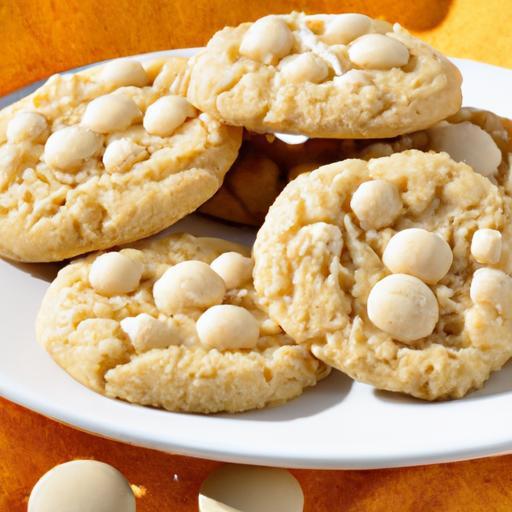
In a world where culinary creations frequently enough require precision, heat, adn hours of waiting, the humble no-bake cookie stands out as a testament to sweet simplicity. These delightful treats-crafted without ovens or intricate techniques-offer more then just convenience; they are a engaging blend of science and art. From the chemistry of melting sugars to the magic of rapid cooling, no-bake cookies invite us to explore how everyday ingredients transform effortlessly into chewy, gooey delights. join us as we unravel the science behind these quick confections and discover why sometimes,the simplest recipes can teach us the most delicious lessons.
Sweet Simplicity: The Science Behind No-Bake Cookies
Sweet Simplicity lies not just in the ease of making no-bake cookies, but in understanding the chemistry that transforms humble ingredients into blissful morsels of comfort. Originating from classic American kitchens where quick, fuss-free treats were cherished, these no-bake cookies exemplify how temperature control and ingredient balance can create a delightful textural experience. After mastering the perfect batch-every bite will become an enchanting blend of creamy, chewy, and slightly crispy, showcasing how science and simplicity make the ideal duo.
Prep and Cook Time
Preparation: 10 minutes
Cooking: 5 minutes
Cooling: 25 minutes
yield
About 24 cookies
Difficulty Level
Easy
Ingredients
- 1/2 cup unsalted butter
- 2 cups granulated sugar
- 1/2 cup whole milk
- 4 tablespoons unsweetened cocoa powder, sifted
- 1/4 teaspoon salt
- 1 teaspoon pure vanilla extract
- 3 cups old-fashioned rolled oats
- 1/2 cup creamy natural peanut butter (see tips for alternatives)
Instructions
- Combine butter, sugar, milk, cocoa powder, and salt in a medium saucepan over medium heat.Stir constantly, ensuring the mixture doesn’t stick to the bottom. sauté until the butter melts and the sugar dissolves wholly,about 4-5 minutes.
- Bring the mixture to a rolling boil, allowing it to boil vigorously for exactly 1 minute. Use a timer for precision-this critical step activates the starches for perfect texture.
- Remove the pan from heat and immediately stir in the vanilla extract and peanut butter until smooth and silky.
- Fold in the oats, making sure every flake is coated in the luscious chocolate mixture. This is where texture magic happens; the oats provide chewiness that balances the creamy base.
- Drop spoonfuls of the cookie mixture onto parchment-lined baking sheets or silicone mats. For uniform cookies, use a cookie scoop or two spoons.
- Allow cookies to cool and set at room temperature for at least 25 minutes. Refrigeration can speed up this process but monitor closely to avoid hardening them too much.
Chef’s Notes: Tips for Customizing No Bake Cookies with Healthy Alternatives
- Swap peanut butter for almond butter or sunflower seed butter to accommodate allergies or for a unique flavour twist; ensure they are smooth for optimal consistency.
- Replace granulated sugar with coconut sugar or a natural sweetener blend-but be cautious, as this may affect boiling time and final texture.
- Use rolled oats certified gluten-free for a gluten-free version without compromising on chewiness and structure.
- Add a tablespoon of chia seeds or ground flaxseeds during step 4 to boost fiber and omega-3 content.
- For a vegan adaptation, substitute butter and milk with coconut oil and almond milk respectively; note the boiling point may vary slightly.
Serving Suggestions
These no-bake cookies shine when paired with a chilled glass of almond milk or a cup of rich coffee. Arrange them on a rustic wooden board for a cozy afternoon tea vibe,and garnish with a sprinkle of sea salt flakes or a dusting of cocoa powder for visual contrast and a subtle flavor lift.For an extra pop, scatter a few toasted coconut flakes atop before the cookies set-this adds a delightful crunch and tropical aroma.

The chemistry of Ingredients in Sweet Simplicity: The Science Behind No-Bake Cookies
each ingredient performs a vital role thanks to culinary chemistry. Butter provides richness and acts as a temperature buffer, preventing burning, while sugar’s caramelization beyond 230°F adds deep flavor complexity and a firm yet tender bite. Milk’s water content enables sugar to dissolve fully before boiling, and the cocoa powder contributes both intense chocolate flavor and color via its fat and tannins.The peanut butter merges fat and protein, stabilizing the cookie matrix, while rolled oats supply texture and absorb moisture just right, balancing chewiness and firmness. Mastering these interactions is the key to that addictive harmony of softness and crisp edge.
Mastering Texture Through Temperature Control
precision at the boiling stage cannot be overstated. The moment the mixture reaches a rolling boil, it activates starch gelatinization and sugar crystallization, creating the cookie’s signature snap and chew. Boil too briefly, and your cookies risk turning out soggy; too long, and they become brittle. Use a candy or instant-read thermometer aiming for around 235-240°F for reliability. Cooling temperature also shapes final texture-cool cookies on parchment for a softer bite or refrigerate briefly for firmer snaps.
| Nutrient | per Cookie |
|---|---|
| Calories | 140 kcal |
| Protein | 3 g |
| Carbohydrates | 18 g |
| Fat | 7 g |
Balancing Flavors for Perfect Sweetness
Achieving the ideal sweetness isn’t just about sugar quantity-its a symphony of ingredients. the natural bitterness of cocoa counters the sugary base, while a pinch of salt enhances all flavor notes, preventing the cookies from tasting flat or overly sweet. The aromatic warmth of vanilla extract rounds out the palate and lifts the chocolate’s depth. Taste the melted mixture before adding oats to fine-tune sweetness or intensify chocolate with an extra teaspoon of cocoa powder-comfort food, elevated with intention.
For further insights on the chemistry behind homemade desserts, explore this fascinating article on food science, or dive into our detailed chocolate truffle guide for more sweet articulations.
Q&A
Q&A: Sweet Simplicity – the Science Behind No-Bake Cookies
Q1: What exactly are no-bake cookies, and how do they differ from traditional baked cookies?
A1: No-bake cookies are delicious treats made without the need for an oven. Instead of baking,their ingredients are combined and typically heated briefly on the stovetop to initiate a chemical reaction that helps them set as they cool. Unlike baked cookies, which rely on baking to achieve structure and texture, no-bake cookies rely on cooling and specific ingredient interactions to create that perfect chewy or fudgy bite.
Q2: What role does heat play if no-bake cookies aren’t actually baked?
A2: Heat is crucial even in no-bake cookies. A short cook on the stovetop – frequently enough boiling a mixture of sugar, butter, and milk – is what activates the chemistry.This brief heating dissolves sugars, allows ingredients to blend thoroughly, and triggers the thickening process as the mixture cools. It’s this process that enables the final texture to form without the need for an oven.
Q3: Why do no-bake cookies frequently enough include ingredients like oats and cocoa?
A3: Oats provide structure, thickness, and an irresistible chewiness, absorbing moisture and binding with othre ingredients. cocoa contributes rich chocolate flavor and a pleasing dark color. Together, they create a balance of taste and texture that’s classic in no-bake recipes. Plus, cocoa powders contain natural compounds that enhance the chemistry when heated with sugar and butter.
Q4: What is the science behind the setting process once no-bake cookies are off the heat?
A4: When removed from heat, the hot sugar syrup begins to cool and crystallize. As the temperature drops,ingredients like oats absorb the syrup,sugars solidify,and fats from butter set up. This cooling and crystallization process solidifies the cookie mixture into firm but tender bites. It’s a delicate balance; too hot and the cookies remain runny, too cool and the sugars harden excessively.
Q5: How does the sugar type affect the texture and flavor of no-bake cookies?
A5: The form of sugar used can influence both texture and taste. Granulated sugar dissolves smoothly and contributes to that signature snap or chewiness. Brown sugar, with its molasses content, lends moisture and a deeper flavor. Sometimes a mix is used for complexity.The sugar’s ability to dissolve fully during briefly heating is key to achieving the right set and tenderness.
Q6: Can no-bake cookies be customized for different dietary preferences while keeping the science intact?
A6: Absolutely! Substitutions like coconut oil for butter, plant-based milks instead of dairy, or gluten-free oats can be used without compromising the fundamental chemistry. What matters is maintaining the right balance of fat, liquid, and sugar to ensure the mixture thickens and sets correctly. Experimentation is encouraged-science loves a little creative twist!
Q7: Why are no-bake cookies considered a perfect project for science lovers and kitchen novices alike?
A7: No-bake cookies showcase food science in action: heat-induced chemical reactions, sugar crystallization, and ingredient binding-all in a quick, rewarding recipe.They require minimal equipment and offer immediate visual feedback as the mixture transitions from liquid syrup to solid treats. It’s a tasty way to explore the magic behind cooking without complexity.
Q8: What common pitfalls occur when making no-bake cookies, and how can science help avoid them?
A8: Common issues include runny cookies (undercooked sugar syrup), grainy texture (sugar crystallizing too quickly), or overly hard treats (overcooked syrup).Using a candy thermometer to hit the right temperature ensures the sugar reaches the perfect stage. Stirring gently but thoroughly prevents premature crystallization, while timing and ingredient ratios keep the texture just right.
Q9: How does the cooling surroundings impact the final texture of no-bake cookies?
A9: Cooling temperature affects how quickly sugars solidify. cooling cookies at room temperature usually produces the best texture-a tender yet firm bite. Refrigeration can speed up setting but might make cookies harder and less chewy. Understanding that ambient conditions influence crystallization helps cookie makers achieve consistent results.
Q10: What makes no-bake cookies a timeless treat despite their simplicity?
A10: No-bake cookies captivate with their blend of nostalgic flavors, speedy preparation, and the fascinating science behind their creation. Their simplicity is deceptive; behind the scenes, a perfect harmony of heat, sugar chemistry, and ingredient synergy produces a complex sensory experience. It’s a delicious reminder that sometimes, the sweetest delights arise from the simplest formulas.
In Conclusion
As we’ve uncovered, the humble no-bake cookie is much more than just a quick treat-it’s a delightful dance of chemistry and craft. From the precise melting points to the perfect cooling times, each step is a scientific symphony that transforms simple ingredients into sweet simplicity.So next time you whip up a batch, remember: you’re not just making cookies; you’re conducting a delicious experiment in the art of no-bake magic. Embrace the science, savor the ease, and enjoy every crumb of these effortlessly charming confections.