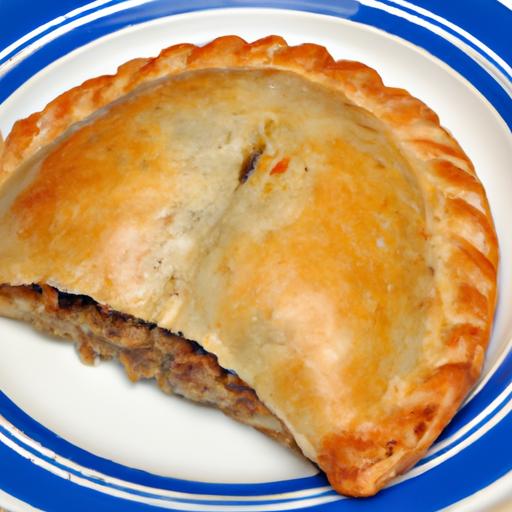

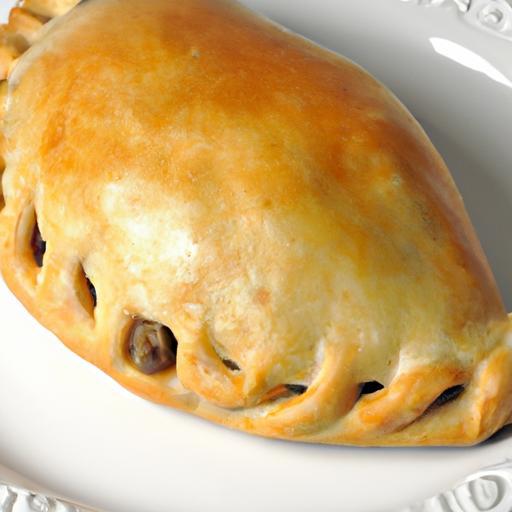
In the heart of rustic kitchens and bustling marketplaces, the humble beef and onion pasty has long held a cherished place on British tables, embodying the rich tapestry of tradition and flavor.More than just a savory pastry, it is a culinary story folded into golden crusts-each corner pinched with care, each bite a bridge between past and present. “Savor Tradition: The Art of the Beef and onion Pasty” invites you to explore this iconic dish’s origins, its time-honored readiness, and the cultural heritage it continues to celebrate. Join us as we unravel the layers of history and craftsmanship behind this beloved comfort food,where simple ingredients come together to create something truly timeless.
Savor Tradition: The Art of the Beef and Onion Pasty
Savor Tradition: The Art of the Beef and onion pasty invites you on a journey into the heart of British culinary history, where humble ingredients come together in a golden, flaky parcel brimming with robust, comforting flavors. Originating from Cornwall, this iconic pasty was crafted as a hearty meal for miners and laborers-designed to be portable, nourishing, and easy to enjoy on the go. Its cultural significance extends beyond nourishment; it embodies resilience, community, and the party of local produce, all wrapped in a delightful crust.
This recipe brings that tradition alive in your kitchen,combining the perfect pastry dough with tender cuts of beef and caramelized onions to create an authentic experience. Whether you’re a seasoned baker or an enthusiastic novice, mastering these techniques will let you savor a truly classic dish with every bite.
Prep and Cook Time
- Preparation Time: 30 minutes
- Resting Time (dough): 1 hour
- Cooking Time: 45 minutes
- Total Time: 2 hours 15 minutes
Yield
makes 6 generously sized pasties
Difficulty Level
Medium – Requires some patience for dough preparation and careful assembly
Ingredients
- For the pastry dough:
- 3 cups all-purpose flour, sifted
- 1 tsp fine sea salt
- 1 cup (2 sticks) unsalted butter, cold and cubed
- 6-8 tbsp ice-cold water
- For the filling:
- 1 lb lean top sirloin beef, cut into ½-inch cubes
- 3 large yellow onions, thinly sliced
- 2 tbsp vegetable oil
- 1 tsp freshly ground black pepper
- 1 tsp salt
- 1 tbsp Worcestershire sauce
- 2 tbsp beef broth or vegetable broth
- 1 tbsp all-purpose flour (optional, for binding)
- For finishing:
- 1 large egg, beaten (for egg wash)
Instructions
- Prepare the pastry dough: Combine sifted flour and salt in a large bowl. Cut in the cold cubed butter using a pastry cutter or fingertips until the mixture resembles coarse breadcrumbs with pea-sized lumps of butter.
- Add ice-cold water, one tablespoon at a time, mixing gently until the dough begins to come together. Avoid over-mixing to keep the butter cold and intact.
- shape the dough into a ball, wrap tightly in plastic wrap, and refrigerate for at least 1 hour. Resting relaxes the gluten and firms the butter, ensuring flakiness during baking.
- Prepare the filling: Heat vegetable oil in a large skillet over medium heat. Add sliced onions and sauté until translucent and fragrant, about 10 minutes.
- Add cubed beef and cook until browned on all sides, about 7 minutes, stirring frequently to prevent sticking. Season with salt and freshly ground black pepper.
- Stir in Worcestershire sauce and broth, allowing the mixture to simmer gently for 5 minutes. Sprinkle the tablespoon of flour if you desire a slightly thicker filling; stir well.
- Remove from heat and let the filling cool to room temperature. This prevents the pastry from becoming soggy during assembly.
- Assemble the pasties: preheat the oven to 400°F (200°C) and line a baking tray with parchment paper.
- Divide the chilled dough into 6 equal portions. On a floured surface, roll each into a 7-inch circle about ⅛-inch thick.
- Place a generous ¾ cup of filling onto one half of each dough circle, leaving a 1-inch border around the edges.
- Brush the edges with cold water, fold the dough over the filling, and press firmly to seal, crimping the edges decoratively to ensure they stay sealed during baking.
- transfer the pasties to the prepared tray. Brush the tops with beaten egg for a beatiful golden finish.
- Bake for 40-45 minutes, until the crust is puffed, flaky, and deeply golden. Rotate the tray halfway through for even baking.
- Let rest for 10 minutes before serving to allow the juices to settle inside.
Tips for Success
- Pastry dough: Keep your butter and water cold to create distinct buttery layers that flake beautifully.
- Filling: Use lean but well-marbled beef to balance tenderness with rich flavor. Don’t overcook the filling before baking to avoid dryness.
- Assembly: Seal edges carefully to prevent filling leakage. If needed, use a fork to press edges rather than just folding.
- Make ahead: You can freeze assembled pasties on the baking tray before baking. Wrap individually after they harden in the freezer. Bake frozen for an extra 10 minutes.
- Variations: Swap onions for shallots or add finely chopped root vegetables like swede (rutabaga) for an authentic Cornish touch without overpowering the classic beef and onion balance.
Serving Suggestions
Serve warm pasties as a comforting lunch or dinner centerpiece.Pair with a fresh green salad dressed lightly with mustard vinaigrette or customary mushy peas for a true Cornish experience. Garnish with chopped parsley or a sprinkle of cracked black pepper for a fresh, inviting finish. A side of homemade tomato chutney or malt vinegar can elevate the savory filling, creating a tantalizing contrast to the buttery crust.

Nutrition Facts (per pasty)
| Calories | Protein | Carbohydrates | Fat |
|---|---|---|---|
| 420 kcal | 28 g | 35 g | 18 g |
For more traditional British recipes that celebrate the essence of hearty Cornish beef stew, explore our collection of comforting classics that bring warmth to any table.
Learn more about the rich history and protected status of the Cornish pasty at the British Cornish Pasty Association.
Q&A
Q&A: Savor Tradition – The Art of the Beef and onion Pasty
Q1: What makes the beef and onion pasty a cherished traditional dish?
A1: The beef and onion pasty is a culinary emblem of hearty simplicity and regional pride. Rooted in centuries-old working-class traditions, it was designed to be a portable, filling meal for miners and laborers. Its rich, savory filling enveloped in a golden, flaky crust symbolizes comfort, resilience, and community heritage-qualities that have helped it endure as a beloved classic.
Q2: How is the filling prepared to achieve the perfect balance of flavors?
A2: The secret lies in layering robust,quality ingredients with gentle technique. Tender chunks of beef are slowly cooked with sweet onions-frequently enough caramelized to deepen their flavor-alongside subtle seasonings like black pepper, thyme, and a touch of stock. This slow melding enriches the filling with a harmonious blend of savory richness and natural sweetness, offering a satisfying bite in every pasty.
Q3: What distinguishes the pasty’s pastry from other baked goods?
A3: Unlike ordinary pie crusts,pasty pastry must strike a delicate balance between sturdiness and flakiness. Traditionally made with a ratio of butter or vegetable shortening to flour, the dough is rubbed until crumbly, then gently mixed with cold water. This technique creates a tender crust that crisps beautifully in the oven yet remains robust enough to encase the juicy filling without sogginess.
Q4: Are there regional variations in making the beef and onion pasty?
A4: Indeed,variations abound depending on locale and family tradition.Some regions prefer coarser cuts of beef for a rustic texture, while others might add finely diced root vegetables for extra earthiness.Onion choice varies too-from mild white onions to the more pungent red-each bringing its own unique nuance. These subtle differences celebrate local tastes while honoring the shared pasty legacy.
Q5: What is the best way to enjoy a freshly baked beef and onion pasty?
A5: To truly savor a pasty, enjoy it warm from the oven, where its aroma fills the room with promise. Paired with a crisp side salad or simple steamed greens, it makes a wholesome meal. Whether eaten by hand on a bustling street or at a cozy kitchen table, the pasty invites slow recognition of tradition wrapped in layers of savory delight.
Q6: Can the beef and onion pasty be adapted for modern diets or preferences?
A6: Absolutely! While honoring its core ingredients, modern twists might include gluten-free pastry blends or incorporating plant-based fats for a different texture. Some experiment with leaner cuts of beef or seasoning variations like smoked paprika or fresh herbs to add complexity. These adaptations keep the pasty relevant and accessible without losing its basic character.
Q7: What tips should a beginner keep in mind when making their frist beef and onion pasty?
A7: Start with fresh, high-quality beef and take your time caramelizing the onions to unlock their sweetness. Don’t overwork the pastry dough-handle it lightly and keep it cold for that perfect flake. When assembling, ensure the filling is cool to prevent the pastry from becoming soggy, and pinch the edges firmly to seal in all the flavorful juices before baking. with patience and care, your first pasty will be a satisfying triumph.
This Q&A reveals the heart and craft behind the beef and onion pasty-an edible story woven from flavor, history, and homely warmth. Perfect for anyone eager to dive into tradition with a creative, informed palate.
Final Thoughts
As the savory aroma of a freshly baked beef and onion pasty lingers in the air, we are reminded that this humble pastry is more than just a meal-it is a delicious slice of tradition, history, and craftsmanship. Each flaky bite carries the stories of generations past, honoring the hands that shaped it and the communities that cherish it. In savoring the beef and onion pasty, we partake in a timeless art, where simple ingredients transform into a comforting symbol of heritage. So next time you unwrap this golden parcel, take a moment to appreciate not only its flavors but the rich tapestry of culture woven into every crust.