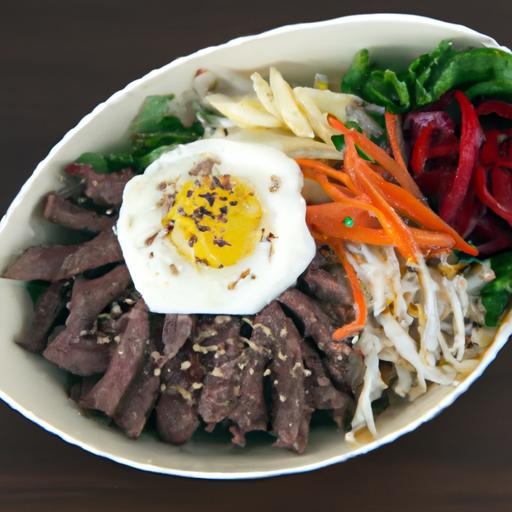

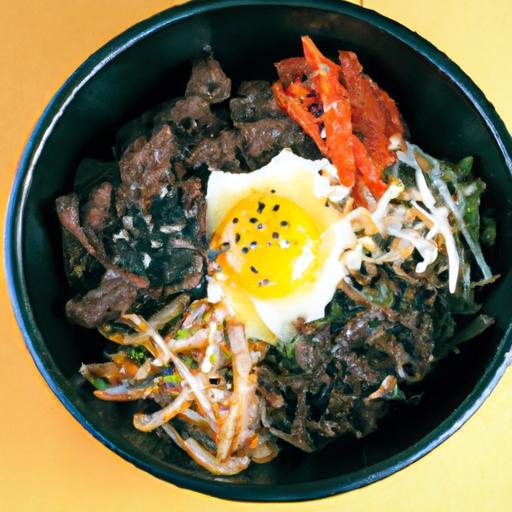
In the vibrant tapestry of Korean cuisine, few dishes capture the soul and spirit of the culture quite like Bibimbap. this harmonious bowl, brimming with colorful vegetables, tender beef, and a perfectly balanced blend of spices, is more than just a meal-it’s an experience. “Savor the Flavor: Korean Beef bibimbap Bowls Uncovered” invites you on a delightful journey to uncover the origins, ingredients, and secrets behind this iconic dish. Prepare to explore how tradition and flavor come together in every bite, transforming simple ingredients into a symphony of taste that has captivated food lovers around the world.
savor the Flavor: Korean Beef Bibimbap Bowls Uncovered invites you on a sensory journey exploring one of Korea’s moast iconic dishes. Bibimbap, meaning “mixed rice,” is a vibrant harmony of flavors and textures, where tender marinated beef meets crisp vegetables, an inviting fried egg, and fiery gochujang, all nestled atop steamed rice. This dish, rooted in Korean royal court cuisine and humble farmer traditions alike, is a gorgeous representation of balance, mindfulness, and culinary artistry. From my frist experience tasting bibimbap in Seoul’s bustling markets to crafting it in my kitchen, its layered complexity and comforting simplicity never fail to inspire.
Prep and Cook Time
- Readiness: 25 minutes
- Cooking: 20 minutes
- Total: 45 minutes
Yield
Serves 4 hearty portions
Difficulty Level
Medium – perfect for those comfortable with chopping and multitasking in the kitchen but accessible for adventurous beginners.
Essential Ingredients
- 2 cups cooked short-grain white rice, warm
- 1/2 lb ground beef (choose lean for healthier bowls)
- 2 tsp soy sauce
- 1 tsp sesame oil
- 2 cloves garlic, minced
- 1/2 tsp freshly ground black pepper
- 1 small carrot, julienned
- 1 cup spinach leaves, blanched and squeezed dry
- 1/2 cup shiitake mushrooms, thinly sliced
- 1 cup bean sprouts, blanched
- 4 large eggs
- 2 tbsp vegetable oil, divided
- 3 tbsp gochujang (Korean chili paste) – adjust to taste
- 1 tbsp sugar
- 1 tbsp toasted sesame seeds
- 1 tsp rice vinegar (optional, for speedy-pickled vegetables)
Instructions
- Prepare the beef: In a medium bowl, combine ground beef, soy sauce, sesame oil, minced garlic, and black pepper. Mix well and set aside.
- Sauté the vegetables: heat 1 tbsp vegetable oil in a large skillet over medium heat. Sauté carrots and mushrooms separately until tender and lightly caramelized, about 4-5 minutes each. Season lightly with salt. Set aside. Quickly blanch spinach and bean sprouts in boiling water for 1 minute each,then drain thoroughly.
- Cook the beef: In the same skillet,add another 1 tbsp vegetable oil and sauté the marinated beef until browned and cooked through,about 6-7 minutes. Break it apart gently with a spatula for even cooking.
- Fry the eggs: Using a non-stick pan, fry eggs sunny-side up with runny yolks for ideal texture contrast. Sprinkle lightly with salt and pepper.
- Assemble the bibimbap bowls: Divide warm cooked rice evenly into four large bowls. Artistically arrange sautéed beef, carrots, mushrooms, spinach, and bean sprouts on top of the rice in distinct sections to showcase the variety of colors and textures.
- Finish with flair: Place a sunny-side up egg in the center of each bowl. Add a generous dollop of gochujang on the side (adjust to desired spice level) and sprinkle toasted sesame seeds over everything for a nutty crunch.
- Serve and mix: Present bowls immediately. Encourage diners to mix every ingredient thoroughly before enjoying, enhancing the symphony of flavors and textures.
Tips for Success
- Marinating the beef: Prepare the beef mixture at least 15 minutes ahead to maximize flavor absorption.
- Vegetarian variation: Substitute beef with firm tofu, pan-fried until crisp.
- Rice perfection: Use freshly cooked short-grain rice,which is sticky and ideal for mixing.
- Controlling spice: Start with 1 tbsp gochujang and offer more at the table to cater to all palates.
- Make-ahead: Prepare all vegetables and beef up to 24 hours in advance. Reheat gently before assembly.
- Pickled accents: quick-pickle cucumbers or radishes with rice vinegar and sugar for an added zing.
Serving Suggestions to Elevate Your Dining Experience
For the most authentic and visually captivating presentation, serve bibimbap in traditional Korean stone bowls (dolsot) which create a delightful crispy rice crust. Garnish with fresh sliced scallions, extra toasted sesame seeds, and a side of kimchi for a burst of fermented tang. Complement the meal with a light sesame cucumber salad and a refreshing jasmine green tea or barley tea. delightful textures and radiant colors will make each bowl a feast for the eyes and palate alike.

| Nutrient | per Serving |
|---|---|
| Calories | 520 kcal |
| Protein | 32 g |
| Carbohydrates | 54 g |
| Fat | 15 g |
Discover more korean culinary delights in our ultimate kimchi recipe guide or learn about the engaging history of gochujang on The Korea Times.
Q&A
Q&A: Savor the Flavor: Korean Beef Bibimbap Bowls Uncovered
Q1: what exactly is bibimbap and why is it so beloved in Korean cuisine?
A: Bibimbap, which literally means “mixed rice,” is a vibrant, harmonious bowl brimming with steamed rice, sautéed vegetables, marinated beef, and a perfectly fried egg, all brought to life by a generous dollop of gochujang (Korean chili paste). It’s a colorful celebration of textures and flavors, loved for its balance of healthy ingredients and comfort-food satisfaction.
Q2: how does the Korean beef in bibimbap differ from regular beef dishes?
A: korean beef in bibimbap is typically thinly sliced and marinated in a savory-sweet blend of soy sauce, garlic, sesame oil, and a hint of sugar or honey. This marinade not only tenderizes the meat but infuses it with depth and umami, making each bite irresistibly flavorful. The beef’s caramelized edges and juicy interior complement the fresh, crisp vegetables, creating a perfect symphony of taste.
Q3: What vegetables are traditionally used in bibimbap bowls?
A: Bibimbap is a canvas for seasonal and colorful veggies like julienned carrots, blanched spinach, shiitake mushrooms, bean sprouts, zucchini, and fernbrake (gosari). Each vegetable is seasoned and cooked separately to keep its unique texture and taste, elevating the bowl’s diversity with every spoonful.
Q4: Can bibimbap be customized to suit different dietary preferences without losing its authentic flair?
A: Absolutely! While beef is traditional,bibimbap’s true magic lies in its harmony of ingredients. For those who prefer plant-based options, marinated tofu or mushrooms can take the beef’s place.The emphasis remains on layering bold, well-seasoned components, ensuring every customized bowl honors the spirit of Korean flavors.
Q5: what role does the fried egg play in a bibimbap bowl?
A: The fried egg crowns the bibimbap with richness and visual appeal. Its runny yolk acts as a natural sauce that coats the rice and vegetables, weaving the flavors together with creamy indulgence. The contrast between the crispy edges of the egg white and the silky yolk adds another appetizing layer to the eating experience.
Q6: How should one eat bibimbap for the full flavor experience?
A: The secret is in the mix! Before digging in, drizzle the gochujang paste atop the bowl, then thoroughly stir all the ingredients together until the rice is evenly coated and the flavors marry perfectly. This blending transforms a bowl of separate components into a dynamic, unified dish bursting with taste and texture in every bite.
Q7: What is the history or cultural significance behind bibimbap?
A: Bibimbap originates from Korea’s rich culinary heritage as a practical and nourishing meal, traditionally made for farmers after a long day of work or served during festivals. Its layers symbolize balance and harmony,reflecting a deeper Korean philosophy that celebrates unity through diversity-both on the plate and in life.
Q8: Are there tips for making bibimbap at home that capture the authentic Korean taste?
A: for an authentic bibimbap experience at home, take care to prepare each ingredient individually. Season and cook the vegetables separately to preserve their textures, marinate the beef long enough to intensify its flavor, and don’t skimp on the gochujang-it’s the fiery heartbeat of the bowl. serving the bibimbap in a hot stone bowl (dolsot) if possible also adds a delightful crispy layer of rice at the bottom, elevating the texture even further.
Enjoy your culinary adventure into Korean beef bibimbap-the bowl where flavor, color, and culture come together in perfect harmony!
Closing remarks
As you close this flavorful journey through the vibrant world of Korean Beef Bibimbap, let the harmony of sizzling beef, crisp vegetables, and fragrant rice inspire your next culinary adventure. More than just a meal, bibimbap is a celebration of balance-textures mingling, colors dancing, and flavors unfolding with every bite. Whether you opt for a classic take or put your own twist on this beloved bowl, savoring bibimbap is an invitation to explore the rich tapestry of Korean cuisine and culture, one delicious spoonful at a time.so go ahead, gather your ingredients, embrace the art of mixing, and uncover your own perfect bibimbap bowl-as some flavors are meant to be savored, shared, and remembered.