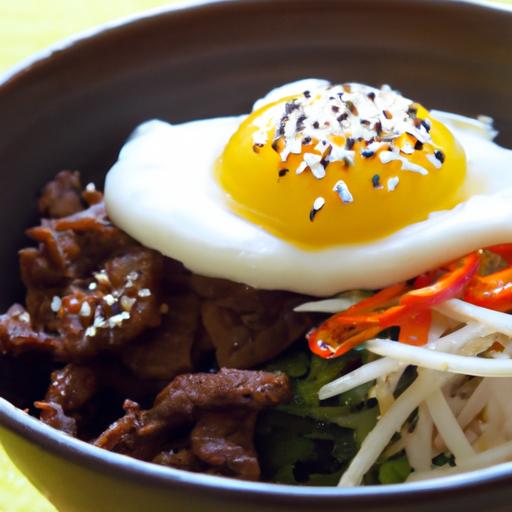

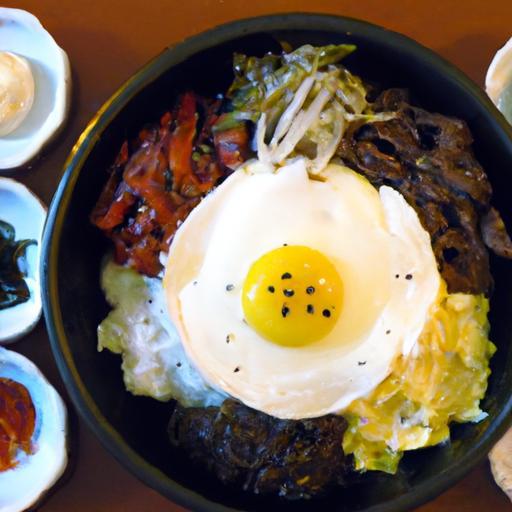
Imagine a vibrant bowl brimming with a symphony of colors, flavors, and textures-a true party of Korean culinary artistry. Korean beef bibimbap bowls topped with a perfectly fried egg offer more than just a meal; they present an experience that awakens the senses and honors tradition. From the tender, savory marinated beef to the crisp, fresh vegetables and the rich, runny yolk that binds it all together, each bite tells a story of harmony and balance. Join us as we dive into the flavorful world of bibimbap,exploring its origins,ingredients,and the simple techniques that make this iconic dish a beloved favorite across the globe.
Savor Korean Beef bibimbap Bowls topped with Fried Egg transports you to the heart of Korean cuisine by blending tender beef, vibrant vegetables, and a perfectly crispy fried egg to crown it all. This iconic rice bowl is a celebration of harmony-a dish where bold, spicy, and earthy flavors mingle effortlessly in every bite. Originating as a humble yet nourishing meal,bibimbap’s layered textures and colors have made it a global favorite,inviting food lovers to explore depth and balance.
Prep and Cook Time
Preparation: 20 minutes Cooking: 25 minutes Total: 45 minutes
yield
serves 4 generous bowls
Difficulty Level
Medium – requires basic skill in stir-frying and frying eggs to crisp perfection
Ingredients
- 1 lb beef sirloin,thinly sliced against the grain
- 3 cups cooked short-grain white rice,warm
- 2 tbsp sesame oil,divided
- 3 cloves garlic,minced
- 1 tbsp soy sauce (preferably low sodium)
- 1 tbsp gochujang (Korean chili paste)
- 1 tsp sugar
- 1 cup julienned carrots
- 1 cup sliced shiitake mushrooms
- 1 cup blanched spinach,squeezed dry
- 2 radishes (mu or Korean radish),thinly sliced
- 4 large eggs
- 2 tbsp vegetable oil (for frying eggs)
- 1 tbsp toasted sesame seeds
- 2 green onions,thinly sliced
- 1 tbsp rice vinegar (optional,for radish)
- Salt and pepper to taste
Instructions
- Marinate the beef: in a medium bowl,combine soy sauce,minced garlic,sesame oil (1 tbsp),and sugar with the thinly sliced beef sirloin.Let it sit for at least 15 minutes to absorb the savory flavors.
- Prepare vegetables: Quickly sauté carrots and shiitake mushrooms separately in a hot skillet with a drizzle of sesame oil until tender but still vibrant (approx. 3-4 minutes each).Set aside. Toss sliced radishes in a small bowl with rice vinegar and a pinch of salt for a light pickled crunch. Season spinach with a pinch of salt and a few drops of sesame oil.
- Cook the beef: Heat a non-stick pan over high heat. Stir-fry the marinated beef until just cooked through and caramelized, about 3-5 minutes, stirring often to prevent sticking and promote even browning.
- Fry the eggs to crispy perfection: Use a sturdy skillet and heat vegetable oil until shimmering but not smoking. Crack each egg individually into the pan, frying until whites are golden and edges crisp (about 2-3 minutes). The yolks should remain runny for that luscious finish. carefully remove and drain on a paper towel.
- Assemble the bibimbap bowls: spoon warm rice evenly into bowls. Artfully arrange beef, sautéed carrots, mushrooms, spinach, and pickled radishes around the rice’s circumference, leaving the center free. Place a crispy fried egg gently on top.
- Add gochujang and garnishes: Dollop gochujang on the side or drizzle thinly with water to loosen for spreading. Sprinkle with toasted sesame seeds and sliced green onions for an added pop of flavor and texture.
- Mingle and enjoy: Before eating, vigorously mix all components to embrace the signature harmony of taste and texture that defines bibimbap.
Tips for success
- Choose the perfect cut: Sirloin and ribeye slices work beautifully here for succulence and tenderness. Avoid tough cuts that need long cooking.
- Fried egg finesse: Use a non-stick pan and moderate heat to crisp whites while keeping yolks runny. Adding a teaspoon of water and covering the pan briefly can definitely help whites cook through evenly if needed.
- Vegetable prep: Keeping vegetables seperate maintains their distinctive textures and colors, lending to the visual vibrancy and flavor contrast that make bibimbap enchanting.
- Make ahead: Cook and cool rice slightly ahead of time for better texture. Vegetables can be prepped and stored in airtight containers to streamline assembly on busy days.
Serving Suggestions
Serve these bowls piping hot with the egg yolk’s golden richness oozing across the colorful bed of rice and vegetables. Accompany with extra gochujang at the table for customized heat. Garnish with freshly chopped cilantro or a sprinkle of crushed nori sheets to add depth. A side of crisp kimchi or simple cucumber salad will brighten the meal beautifully.

Nutritional Information (Per Serving)
| Calories | Protein | Carbohydrates | Fat |
|---|---|---|---|
| 520 kcal | 35 g | 60 g | 12 g |
For more inspiration on classic Korean dishes and their stories, explore our Authentic Korean Kimchi recipe. Discover the rich cultural tapestry behind your favorite meals.
To deepen your understanding of Korean culinary traditions, visit the National Geographic’s exploration of Korean food culture.
Q&A
Q&A: Savor Korean Beef Bibimbap Bowls Topped with Fried Egg
Q1: What makes Korean Beef Bibimbap Bowls a standout dish?
A1: Korean Beef Bibimbap Bowls captivate with their vibrant blend of textures and flavors. The savory, marinated beef pairs beautifully with crisp, fresh vegetables and a perfectly fried egg, creating a harmonious balance that’s both comforting and energizing. each bite offers a satisfying mix of sweet,salty,and umami notes that dance on the palate.
Q2: How is the beef typically prepared for bibimbap?
A2: The beef is usually thinly sliced and marinated in a fragrant mix of soy sauce, garlic, sesame oil, and a touch of sweetness-often brown sugar or honey. This marinade tenderizes the meat and infuses it with those signature Korean flavors before being quickly stir-fried to maintain juiciness and depth.
Q3: What vegetables are commonly used in bibimbap bowls?
A3: Classic bibimbap features an assortment of sautéed and fresh vegetables such as julienned carrots, blanched spinach, crunchy bean sprouts, shiitake mushrooms, and zucchini. Each vegetable is typically seasoned simply with sesame oil and salt to highlight their natural tastes.
Q4: Why is the fried egg considered essential on top of bibimbap?
A4: The fried egg adds a luscious richness that binds the dish together. When the yolk is broken, it creates a creamy sauce that melds with the spicy gochujang (Korean chili paste) and the rice, elevating the bowl from a collection of ingredients to a soul-warming meal.
Q5: Can you customize your bibimbap bowl?
A5: Absolutely! Bibimbap is wonderfully flexible. You can swap veggies according to the season or preference, add extra crunch with toasted sesame seeds or crispy seaweed, and adjust spice levels by mixing in more or less gochujang. It’s a canvas for creativity that still respects tradition.
Q6: How should bibimbap be eaten for the best experience?
A6: Traditionally, bibimbap is mixed thoroughly just before eating. Stirring together the beef, vegetables, egg, and sauce allows all the flavors to meld, ensuring each mouthful is bursting with rich, balanced tastes and an exciting variety of textures.
Q7: Is bibimbap nutritionally balanced?
A7: Yes! It combines protein from beef and egg, fiber and vitamins from a colorful array of vegetables, and energy-giving carbohydrates from rice. It’s a wholesome meal that’s both nourishing and satisfying-perfect for anyone seeking a delicious way to enjoy balanced eating.
Q8: Where did bibimbap originate, and what does its name mean?
A8: Bibimbap hails from Korea and translates roughly to “mixed rice.” Traditionally served as a way to utilize leftover ingredients, it evolved into a beloved national dish that celebrates harmony-mixing diverse elements into one delicious bowl.
Q9: What role does gochujang play in a bibimbap bowl?
A9: Gochujang,the fermented chili paste,provides the dish’s characteristic spicy-sweet kick. It’s the fiery heart of bibimbap that awakens the senses and complements the mellow richness of the beef and egg.
Q10: Can I prepare Korean Beef Bibimbap Bowls at home easily?
A10: Definitely! With simple ingredients and straightforward steps-marinate and cook the beef, lightly prepare the vegetables, fry an egg, and assemble with rice and gochujang-you can recreate this iconic dish in your own kitchen. It’s a rewarding cooking adventure with delicious results.
Insights and Conclusions
Whether you’re a seasoned foodie or a curious newcomer to Korean cuisine, savoring a beef bibimbap bowl topped with a perfectly fried egg is an experience that delights all the senses. This harmonious dish not only bursts with vibrant colors and textures but also tells a story of tradition, balance, and bold flavors. Next time you’re craving a meal that’s both comforting and exciting, let bibimbap guide your palate on a flavorful journey-one savory spoonful at a time.