

Step back in time and awaken your taste buds with a culinary journey that bridges centuries. the medieval meat pie-a hearty staple of bygone feasts-offers more than just sustenance; its a flavorful slice of history baked into flaky, savory crusts. In this article, we’ll delve into the origins and traditions of this iconic dish, exploring the ingredients and techniques that made it a beloved centerpiece of medieval tables. Whether you’re a history enthusiast, a culinary adventurer, or simply craving something rich with story and flavor, join us as we craft an authentic medieval meat pie recipe that brings the past deliciously to life.
Crafting an authentic medieval meat pie recipe invites you to journey back in time through flavors and textures revered in centuries past. This dish is a tribute to the resourcefulness and culinary artistry of medieval cooks who transformed simple ingredients from their pantry into hearty, flavorful feasts. Reviving this pie brings forth the intoxicating aroma of fresh herbs mingling with rich, slow-cooked meats—a sensory bridge connecting modern kitchens to medieval hearths.
Prep and Cook Time
- Preparation: 45 minutes
- Cooking: 1 hour 20 minutes
- Total Time: 2 hours 5 minutes
Yield
Serves 6 hearty portions
Difficulty Level
Medium – Ideal for adventurous cooks eager to master conventional techniques
Ingredients
- For the Pastry:
- 3 cups all-purpose flour, sifted
- 1 cup cold unsalted butter, cubed
- ½ cup cold water
- 1 tsp sea salt
- 1 tsp honey (to mimic medieval sweetness)
- For the Filling:
- 1 lb grass-fed beef shoulder, trimmed and cubed
- ½ lb free-range lamb, cubed
- 1 large onion, finely chopped
- 2 cloves garlic, minced
- 1 cup beef broth (low sodium)
- 2 tbsp fresh rosemary, chopped
- 1 tbsp fresh thyme leaves
- 1 tsp ground black pepper
- 1 tsp ground cinnamon
- ½ tsp ground nutmeg
- 2 tbsp olive oil
- Salt to taste
- For Finishing:
- 1 egg yolk, beaten (for glaze)
Instructions
- Prepare the Pastry: In a large bowl, combine the sifted flour and sea salt. Add the cold butter cubes and use a pastry cutter or your fingertips to incorporate until the mixture resembles coarse crumbs.
- Add Honey and Water: mix the honey into cold water. Gradually pour this into the flour and butter mixture, stirring gently until a firm dough forms. Avoid overworking to keep the pastry tender.
- Chill the Dough: Shape the dough into a ball, wrap in cling film, and refrigerate for at least 30 minutes to relax the gluten and firm the fats.
- Prepare the Filling: Heat the olive oil in a heavy-bottomed skillet over medium heat. Sauté the onion until translucent, about 5 minutes. Add garlic and cook for an additional 1 minute,stirring constantly.
- Brown the Meat: Increase heat to medium-high. Add beef and lamb cubes in batches, browning on all sides without overcrowding. This seals in juices and builds deep flavor-essential for an authentic pie.
- simmer with spices: Return all browned meat to the skillet.Sprinkle with rosemary, thyme, black pepper, cinnamon, and nutmeg. Pour in beef broth, reduce heat to low, cover, and simmer gently for 45 minutes, stirring occasionally until the meat is tender and the liquid almost absorbed.
- Roll Out Pastry: Preheat oven to 375°F (190°C). On a floured surface, roll two-thirds of the chilled dough to line a 9-inch pie dish, leaving the edges slightly overhanging.
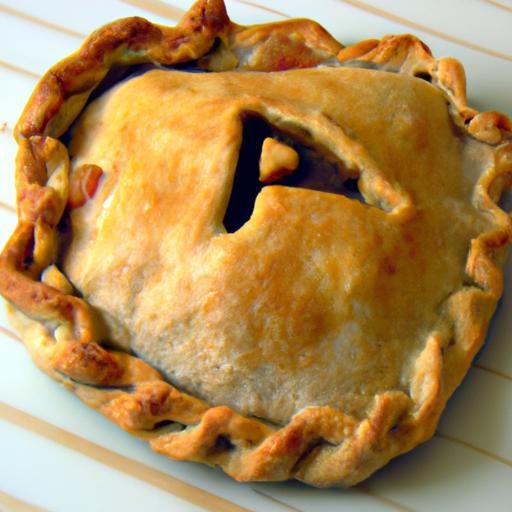
- Fill and Seal: Spoon the cooled meat filling evenly into the pastry shell. Roll out the remaining dough and cover the pie, crimping edges firmly to seal. Cut a few ventilation slits in the top to allow steam to escape.
- Glaze and Bake: Brush the top crust with beaten egg yolk for a golden sheen. Bake in the preheated oven for 40-45 minutes, or until crust is golden brown and crisp.
- Rest and Serve: let the pie rest for 15 minutes before slicing to ensure filling sets beautifully.
Balancing Flavors: The Art of Seasoning Medieval Meat Pies
The triumphant flavor of this medieval meat pie hinges on the harmony between warm spices and fresh herbs, layered into slow-cooked meats. The subtle sweetness from a touch of honey in the crust offers contrast to the savory filling,while rosemary and thyme inject aromatic earthiness that cuts through rich lamb and beef. Do not rush the seasoning-taste and adjust salt during simmering to achieve that perfect flavor balance.
Tips for Success
- Use cold butter and water for the pastry to ensure flakiness by keeping butter from melting prematurely.
- simmer the filling gently; vigorous boiling toughens meat and evaporates essential juices.
- For a prettier crust, chill the pie for 15 minutes before baking to help retain shape and seal.
- Make-ahead: The filling can be prepared up to 2 days in advance and refrigerated; the crust dough freezes well for up to 1 month.
- Substitute fresh herbs with dried if unavailable-use half the amount, as dried herbs are more concentrated.
serving suggestions to Elevate Your Authentic Feast
Present your medieval pie on a rustic wooden board or earthenware plate to invoke the ambiance of the past. Accompany with a side of buttered seasonal greens like kale or cabbage, lightly sautéed with garlic and a squeeze of lemon to brighten the dish. A dollop of sharp mustard or a tangy homemade chutney enhances the rich filling beautifully. Garnish the pie with fresh rosemary sprigs and a sprinkle of cracked black pepper. For a celebratory touch, a bowl of pottage or thick vegetable broth is an ideal warm welcomes alongside your robust meat pie.

| Nutrient | Per Serving |
|---|---|
| Calories | 520 kcal |
| Protein | 38 g |
| Carbohydrates | 34 g |
| Fat | 28 g |
For more insights on historic cooking techniques and complementary medieval dishes, explore our article Medieval Cooking Basics: Techniques and Traditions. To deepen your understanding of authentic medieval spices and their origins, visit britannica’s Spice Overview.
Q&A
Savor History: Crafting an Authentic Medieval Meat Pie Recipe – Q&A
Q1: What makes medieval meat pies different from the pies we enjoy today?
A1: Medieval meat pies where hearty, rustic creations designed to preserve and pack in rich flavors using whatever meats and spices were available. Unlike many modern pies, the crust often served as a sturdy, inedible “coffin” or casing to hold the filling, allowing travelers or households to store and transport the pie easily.The fillings tended to be dense mixes of meats,herbs,and early spices,reflecting a balance between practicality and opulence depending on one’s social status.
Q2: Which meats were commonly used in medieval pies?
A2: Medieval cooks frequently used beef, lamb, and game meats like venison, rabbit, and poultry (chicken, goose, or duck) in their pies. These meats not only added depth of flavor but were also readily available to many households or through hunting. Combining different meats was common, enhancing texture and taste complexity.
Q3: How authentic should we be when recreating a medieval meat pie today?
A3: Authenticity can be both flavorful and fun! While replicating medieval techniques and ingredients offers a delicious glimpse into history, safety and modern tastes are key. For example, rather of the original crusts meant largely for preservation, we might prefer a tender, flaky crust that’s fully edible. Choosing fresh, high-quality meats and herbs close to the originals-think rosemary, sage, and peppercorns-helps bridge the past with present-day kitchens.
Q4: What spices and herbs bring authentic medieval flair to the filling?
A4: Medieval kitchens prized warming spices like black pepper, cinnamon, cloves, and nutmeg, often combined with savory herbs such as thyme, sage, rosemary, and parsley. These spices, sometimes rare and pricey, were used boldly to showcase status or create complex flavor layers. Incorporating a gentle pinch of these spices alongside robust herbs will evoke the spirit of medieval feasts.
Q5: How was the pie crust traditionally made and used in medieval times?
A5: The crust, called the “coffin” or “coffyn,” was usually thick and sturdy, more like a baking vessel than an edible pastry. Made from coarse flour and water, sometimes reinforced with butter or suet (beef or mutton suet is preferred here), it protected the filling during long baking and storage. Today, for enjoyment, a buttery shortcrust or puff pastry works beautifully as an homage, offering texture and flavor without sacrificing practicality.
Q6: Can medieval pies be sweet and savory simultaneously occurring?
A6: Absolutely! Many medieval recipes combined meat with fruits like raisins, apples, or dried berries, creating a delightful contrast of flavors. This sweet-savory interplay reflected a medieval palate that celebrated complex tastes, especially in festive or noble kitchens. Including a handful of dried fruits or a drizzle of honey offers a captivating twist true to the era.
Q7: What’s the best way to approach preparing a medieval meat pie for modern cooks?
A7: Begin with quality, fresh ingredients-select your preferred meat blend, season thoughtfully with traditional herbs and spices, and don’t shy away from adding a hint of sweetness. Embrace patience in slow-cooking your filling to meld the flavors before encasing it in a buttery crust. Baking with care and enjoying communal sharing will bring the medieval spirit full circle into your home.
Q8: Why bother making a medieval-inspired meat pie today?
A8: Crafting a medieval meat pie is more than cooking; it’s a sensory journey through time.It connects us to history’s kitchens, to the stories of celebrations and humble meals alike. Each bite tells a tale of ancient spices, hands that prepared the food centuries ago, and traditions that endure. It’s a way to savor history, nourishing both body and inventiveness.
In Summary
As you close this culinary chapter on crafting an authentic medieval meat pie, you carry more than just a recipe-you hold a flavorful bridge to the past. Each bite is a taste of history, a savory testament to the ingenuity and traditions of our ancestors. Whether gathered around a rustic wooden table or sharing stories with loved ones, savoring this pie invites you to experience medieval life in the most delicious way possible. So next time you bake this historic dish, remember: you’re not just feeding the body-you’re nourishing the soul, one ancient crumb at a time.