

There’s something undeniably satisfying about a heaping plate of fried rice – its vibrant colors, enticing aromas, and the perfect harmony of textures and flavors in every bite. But homemade fried rice isn’t just a convenient weeknight fix; it’s an art form that transforms simple staples into a culinary masterpiece. Whether you’re a kitchen novice or a seasoned cook looking to elevate your skills, mastering the art of perfect homemade fried rice opens the door to endless creativity and deliciousness. Ready to unlock the secrets behind that flawless, restaurant-quality dish right in your own kitchen? Let’s dive in and discover how you can make fried rice that’s crispy, flavorful, and utterly irresistible every single time.
Choosing the Ideal Rice and Preparing It for fluffiness
Master the Art of Perfect Homemade Fried Rice Today starts with understanding the foundation: rice. The choice of rice and its readiness significantly impact the texture and flavor of your final dish. For the best results, opt for long-grain jasmine rice or basmati rice, prized for their fragrant aroma and ability to remain fluffy without clumping. Freshly cooked rice tends to be too moist and sticky, so preparing the rice at least several hours ahead, or ideally the day before, is crucial. Spread the cooked rice thinly on a tray and refrigerate uncovered to dry out slightly-this step helps separate grains and prevents mushiness during stir-frying.
Unlocking the Secret Sauce combinations That Elevate Flavor
The magic of fried rice lies in the balance of sauces that infuse the dish with depth and character. Classic combinations blend soy sauce for umami, sesame oil for nuttiness, and a touch of oyster sauce or mushroom sauce for a savory boost. Always add sauces sparingly; it’s easier to build flavor gradually than to fix an overly salted dish. A dash of freshly ground white pepper or a hint of chili garlic sauce can introduce subtle heat and complexity. Using these sauces in the right proportions unlocks layers of taste that transform simple rice into an unforgettable experience.
Mastering the Technique of Stir-Frying for the Perfect Texture
Achieving the coveted “wok hei” or “breath of the wok” requires heat control, quick tossing, and preparation. Preheat a heavy-bottomed wok or skillet over high heat until smoking hot, then add oil in a thin film to prevent sogginess. Incorporate aromatics like minced garlic and ginger first, sautéing briefly until fragrant. Introduce proteins and vegetables in batches, avoiding overcrowding, to ensure even cooking and preserve crispness.Add rice last, breaking up any clumps with a spatula. Constantly stir and toss the rice to coat evenly with sauce while allowing the grains to toast lightly, creating delicate crunchy edges that contrast beautifully with the fluffy interior.
Creative Add-Ins and Garnishes to Customize Your Fried Rice
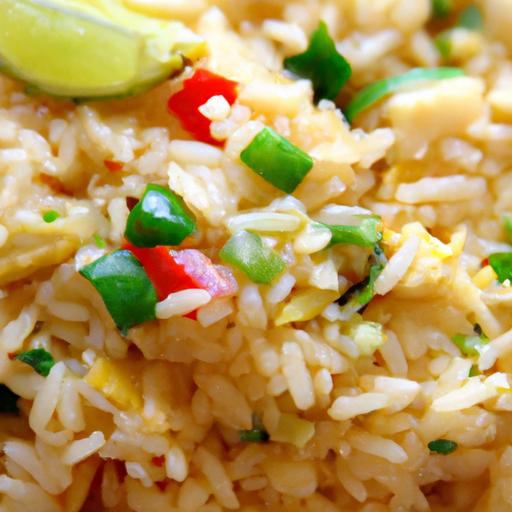
Once you’ve nailed the base technique, the sky’s the limit for customization.Brighten your rice with fresh vegetables such as diced bell peppers, peas, or shredded carrots for vibrant color and texture. For a protein boost,try sautéed shrimp,diced chicken breast,or scrambled eggs. Incorporate chopped green onions or fresh herbs like cilantro to lift the flavor profile. Finish with toasted sesame seeds, crispy shallots, or thin strips of nori for an artistic flourish. A squeeze of lime or drizzle of chili oil on top adds a final pop to delight all the senses.
Prep and Cook Time
- Preparation: 15 minutes (plus rice chilling time)
- Cooking: 15 minutes
- Total Time: 30 minutes (excluding rice refrigeration)
Yield
serves 4 generous portions
Difficulty Level
Medium – perfect for those familiar with basic stir-frying techniques
Ingredients
- 3 cups cooked jasmine rice (preferably day-old and refrigerated separately)
- 2 tbsp neutral vegetable oil (such as canola or grapeseed oil)
- 2 cloves garlic, minced
- 1 tsp fresh ginger, finely grated
- 1/2 cup diced carrots
- 1/2 cup frozen peas, thawed
- 2 large eggs, lightly beaten
- 1 cup cooked chicken breast or shrimp, diced
- 3 tbsp soy sauce (low sodium preferred)
- 1 tbsp oyster sauce or vegetarian mushroom sauce
- 1 tsp toasted sesame oil
- Salt and white pepper, to taste
- 2 green onions, sliced
- Optional garnish: toasted sesame seeds, cilantro, lime wedges
Instructions
- Prepare the rice: If using freshly cooked rice, spread it thinly on a sheet tray and refrigerate uncovered for several hours to dry and cool.
- Heat your wok or skillet: Place over high heat until just smoking. Add 1 tablespoon of vegetable oil, swirling to coat.
- Cook eggs: Pour in beaten eggs, stirring gently to create soft curds; once cooked, remove and set aside.
- Sauté aromatics: Add remaining oil, then toss in garlic and ginger. Sauté until fragrant, about 30 seconds, stirring continuously to avoid burning.
- Add vegetables and proteins: Stir-fry diced carrots until slightly softened (about 2 minutes), then add peas and cooked chicken or shrimp until heated through.
- Incorporate rice: Add chilled rice, breaking apart any clumps with your spatula. Stir constantly to evenly distribute ingredients and prevent sticking.
- Season: Pour soy sauce, oyster sauce, and sesame oil evenly over the rice. Stir vigorously for 3-5 minutes, letting rice grains toast lightly on the hot surface.
- Return eggs and finish: Stir the scrambled eggs back in. Taste and adjust seasoning with salt and white pepper.
- Garnish: Remove from heat, sprinkle sliced green onions and any optional garnishes like sesame seeds or fresh herbs.
- Serve promptly: For best texture and flavor, plate the fried rice hot.
Tips for Success
- use day-old rice for ideal dryness and separation; freshly cooked rice tends to clump.
- Keep heat high to achieve the signature wok hei flavor without steaming ingredients.
- Avoid overcrowding the pan; cook proteins and vegetables in batches if necessary.
- Customize sauces based on your taste, but add gradually to prevent over-salting.
- Make-ahead tip: You can prepare the fried rice up to step 7, then cool and refrigerate. Reheat quickly in a hot pan before serving.
Serving suggestions
Present your meal with vibrant accompaniments like crisp cucumber slices, pickled ginger, or a side of steamed bok choy. Garnish with fresh cilantro sprigs and a wedge of lime for a refreshing finish. This dish pairs beautifully with Asian-inspired appetizers or a simple bowl of miso soup for a complete dining experience.

| Nutrient | Amount per Serving |
|---|---|
| Calories | 350 kcal |
| Protein | 22 g |
| Carbohydrates | 45 g |
| Fat | 8 g |
For further culinary inspiration on fried rice variations, check out our Healthy Vegetarian Fried Rice Recipe. To deepen your understanding of rice types and their cooking techniques, visit Bon Appétit’s guide to rice varieties.
Q&A
Q&A: Master the Art of Perfect homemade Fried Rice Today
Q1: What’s the key to achieving that authentic, restaurant-style fried rice at home?
A: The secret lies in using day-old, chilled rice. Freshly cooked rice tends to be too moist and sticky, but rice that’s had time to dry out separates beautifully, allowing each grain to get that perfect, slightly crispy texture when fried.
Q2: Can I use any type of rice for fried rice?
A: While jasmine rice is the moast popular choice due to its fragrant aroma and slightly sticky quality, long-grain white rice or even basmati can work if cooked and cooled properly. Steamed rice with a fluffy, separate grain texture is your best bet.
Q3: What are must-have ingredients for classic fried rice?
A: Eggs, aromatics like garlic and onions, fresh vegetables (carrots, peas, scallions), soy sauce, and a touch of sesame oil are essentials. Adding protein such as chicken, shrimp, or tofu elevates the dish without overshadowing the rice’s flavor.
Q4: How do I avoid soggy fried rice?
A: Aside from using chilled rice, ensure your wok or pan is very hot before adding ingredients. Cook in small batches if needed, avoid overcrowding, and add sauces sparingly to keep the dish light and not drenched.
Q5: What cooking tools help make frying rice easier?
A: A well-seasoned wok is ideal for even heat and quick frying, but a large non-stick skillet works well too. A spatula or wooden spoon with a flat edge helps toss and stir without breaking the rice grains.
Q6: Can I customize fried rice for different dietary needs?
A: Absolutely! Switch up proteins with chicken, shrimp, tofu, or tempeh; replace regular soy sauce with low-sodium or tamari for gluten-free options. Load up with vegetables like bell peppers, corn, or snap peas to boost nutrition and flavor.
Q7: Why is sesame oil added at the end of cooking?
A: Sesame oil’s nutty aroma is potent and delicate. Adding it at the end preserves its fragrance, giving your fried rice that irresistible aromatic finish that tantalizes the senses.
Q8: How can I elevate my fried rice beyond the basics?
A: Experiment with ingredients like toasted nuts, fried shallots, fresh herbs such as cilantro or Thai basil, or even a squeeze of lime for brightness. Playing with textures and flavors keeps your fried rice exciting and uniquely yours.
Q9: Is it possible to make fried rice without soy sauce?
A: Yes! Alternatives like coconut aminos offer a slightly sweeter, less salty flavor. You can also experiment with miso paste diluted in a bit of water or broth to add umami depth without traditional soy sauce.
Q10: What’s the best way to serve homemade fried rice?
A: Serve it piping hot,garnished with sliced scallions or fresh herbs. It pairs beautifully with steamed or stir-fried vegetables, grilled chicken, or a simple side of crispy tofu for a complete, satisfying meal.
Master these tips, and fried rice will go from a humble leftover to your show-stopping homemade specialty!
The Conclusion
Now that you’ve unlocked the secrets to perfect homemade fried rice, the kitchen is your canvas and every grain a stroke of flavor. With a few simple techniques and the freshest ingredients,you hold the power to transform humble leftovers into a mouthwatering masterpiece. So grab your wok, experiment boldly, and let your taste buds lead the way-becuase mastering fried rice isn’t just about cooking; it’s about creating comfort, tradition, and joy in every bite. Happy frying!