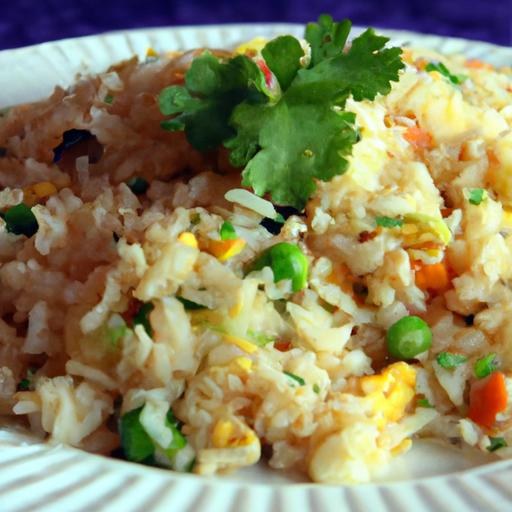

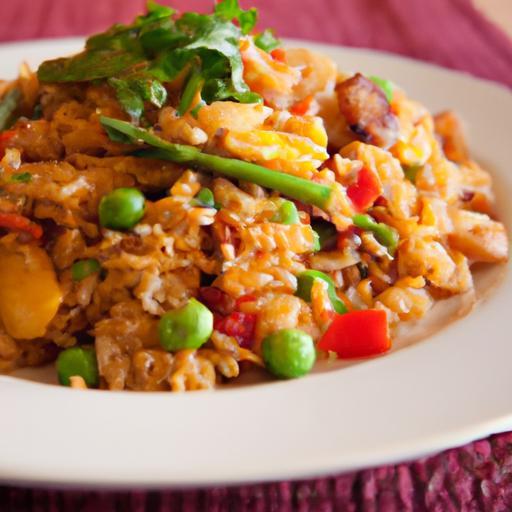
Ther’s something irresistibly comforting about a bowl of perfectly cooked fried rice-the way every grain glistens with savory goodness, the subtle symphony of spices teasing your taste buds, and the satisfying texture that strikes the ideal balance between fluffy and crisp.But mastering this beloved dish is more than just tossing leftovers in a pan; it’s an art form that intertwines technique,timing,and creativity. In this flavorful recipe guide, we’ll unravel the secrets behind crafting fried rice that bursts with vibrant flavors and showcases a harmony of ingredients. Whether your a kitchen novice or a seasoned cook eager to elevate your skills,prepare to transform simple staples into an unforgettable culinary masterpiece. Let’s embark on a journey to master the art of fried rice-one flavorful step at a time.
Selecting the Perfect Rice for Fluffy and Separate Grains
Master the Art of Fried Rice: A Flavorful Recipe Guide begins by understanding the foundation-choosing the ideal rice. For achieving those perfectly fluffy and separate grains,long-grain jasmine rice or basmati rice shine brightest. Their lower starch content prevents clumping and creates that light, airy texture we crave in fried rice.Always opt for rice that has been cooked and cooled ahead of time-preferably day-old rice refrigerated overnight. this resting period firms up the grains, minimizes moisture, and ultimately keeps your fried rice from becoming mushy or sticky.
Balancing Aromatics and Proteins for maximum Flavor
Bringing fried rice to life means creating a harmony between the fragrant aromatics and the proteins that give the dish depth. Classic aromatics like garlic, ginger, and green onions provide an irresistible foundation of savory notes. Complement these with fresh herbs, such as cilantro or Thai basil, to add bursts of brightness. For protein, lean and flavorful options such as chicken breast, shrimp, tofu, or eggs infuse richness without overpowering the palate. Marinating these proteins lightly in soy sauce, sesame oil, and a squeeze of lime elevates their taste, blending seamlessly with the rice and vegetables.
Techniques to Achieve the Ideal Fried Rice Texture
Mastering the ideal fried rice texture is where technique truly meets magic. Heat your wok or skillet until it’s smoking hot before adding oil to ensure instant searing. This vivid sear locks in flavor and prevents the rice from sticking, creating those coveted slightly crisped edges on individual grains. Use a high-smoke point oil like vegetable or peanut oil for best results.Stir-fry in small batches to avoid crowding the pan, which steams the rice instead of frying it. When adding the eggs,scramble them first in the pan separately,then fold them in at the end to keep the texture light and fluffy. Remember to season progressively, tasting as you go, to balance salty, sweet, and umami layers perfectly.
Creative Ingredient Combinations to Elevate Your Dish
Once the fundamentals are mastered, embrace creativity to elevate your fried rice into a unique culinary masterpiece. Experiment with adding crisp vegetables such as red bell peppers, snap peas, or baby corn for crunch and color contrast. Toasted nuts like cashews or chopped peanuts introduce an unexpected crunchy dimension. For a luxurious twist, stir in freshly grated ginger zest or a dash of toasted sesame seeds for aroma and depth. Want to infuse more umami? Incorporate a spoonful of fermented black beans or a splash of mushroom soy sauce for earthiness. Garnish with thin juliennes of fresh chili or a drizzle of chili oil to brighten the plate with a hint of heat. Let your personal flair shine through with each ingredient choice-culinary art is all about balance and inspired boldness.
Prep and Cook Time
- Prep Time: 20 minutes
- Cook Time: 15 minutes
- Total Time: 35 minutes
Yield
Serves 4 generous portions, perfect for sharing a vibrant meal with family or friends.
Difficulty Level
Medium: ideal for cooks cozy with multitasking and using a wok or large skillet.
Ingredients
- 3 cups cooked long-grain jasmine rice, chilled overnight
- 2 tbsp vegetable oil
- 3 cloves garlic, finely minced
- 1 tbsp fresh ginger, grated
- 1/2 cup diced carrots
- 1/2 cup snap peas, halved
- 1/2 cup finely chopped green onions (white and green parts separated)
- 2 large eggs, lightly beaten
- 1 cup cooked chicken breast, shredded or cubed
- 2 tbsp soy sauce (light or tamari for gluten-free)
- 1 tsp toasted sesame oil
- 1/4 cup fresh cilantro, chopped (optional)
- Salt and freshly ground black pepper, to taste
- 1 tbsp toasted sesame seeds (for garnish)
Instructions
- Prepare the rice: Ensure your rice is cooked and chilled for at least 6 hours or overnight. Fluff with a fork to separate grains before cooking.
- Preheat the pan: Heat a large wok or non-stick skillet over high heat until very hot. Add 1 tablespoon vegetable oil and swirl to coat.
- Cook eggs: Pour in beaten eggs, scramble quickly until just set but still moist. Remove eggs from pan and set aside.
- Sauté aromatics and veggies: Add remaining oil, then sauté garlic and ginger until fragrant, about 30 seconds. Add carrots and snap peas; stir-fry 2-3 minutes until crisp-tender.
- add proteins and rice: Toss in cooked chicken and the white parts of green onions, stirring to warm through. Add chilled rice, breaking up clumps gently with a spatula.
- Fry rice: Stir-fry the rice mixture, spreading it evenly across the pan surface, letting it sit undisturbed for 30-40 seconds to develop a slight crust.Repeat spreading and resting 2-3 times.
- Season: Pour soy sauce evenly around the edges and drizzle sesame oil on top. Stir to combine well; taste and adjust salt or pepper as needed.
- Finish with eggs and greens: Fold in scrambled eggs and the green parts of green onions. Remove from heat and stir in fresh cilantro if using.
- Plate and garnish: Serve hot topped with toasted sesame seeds and optional chili flakes or extra herbs for a pop of color and spice.
Tips for Success
- Rice choice: Avoid freshly cooked rice as it contains too much moisture. Day-old cold rice is crucial for texture.
- Heat control: High heat is key-ensure a smoking-hot pan to sear the rice quickly and preserve its fluffy texture.
- Small batch cooking: Fry in portions if cooking larger quantities to prevent overcrowding and steaming.
- Protein alternatives: Swap chicken for shrimp or firm tofu for a vegetarian version packed with umami flavors.
- Make ahead: Prepare all ingredients prior to cooking as the process goes quickly once the wok is hot.
Serving Suggestions
Present your fried rice nestled in a shallow bowl or a rustic wooden serving platter for charming authenticity. Garnish with shining green onion curls, toasted sesame seeds, and a wedge of lime on the side to encourage a fresh burst of acidity. Pair with crisp cucumber salad or a light Asian-inspired slaw to add textural brightness. A side of steamed dumplings or vegetable spring rolls can turn this into a memorable feast. For added indulgence, top with sliced avocado or a drizzle of chili garlic sauce to personalize heat level and creaminess.
| Nutrient | Per Serving |
|---|---|
| Calories | 320 kcal |
| Protein | 23 g |
| Carbohydrates | 38 g |
| Fat | 8 g |

For further inspiration on rice preparation and Asian flavors, explore our Comprehensive Guide to Asian Rices.For authentic soy sauce varieties and their nuances, refer to this insightful resource from Serious Eats.
Q&A
Q&A: Master the Art of Fried Rice – A Flavorful Recipe Guide
Q1: What makes fried rice different from just plain cooked rice?
A1: Fried rice transforms humble cooked rice by infusing it with vibrant flavors, sizzling textures, and a delightful aroma. Unlike plain rice, it’s stir-fried with a variety of ingredients-like vegetables, proteins, and seasonings-creating a harmonious blend of tastes and colors that awaken the palate.
Q2: Can I use freshly cooked rice, or is day-old rice better for fried rice?
A2: Day-old rice is the golden ticket! It’s drier and firmer, which means it won’t clump together or turn mushy when fried. Fresh rice tends to be stickier due to moisture, making it trickier to achieve that perfect, separate-grain texture fried rice is famous for.
Q3: What are the essential ingredients for a basic, yet flavorful fried rice?
A3: At a minimum, you’ll want cooked rice, a good oil with a high smoke point, aromatics like garlic and scallions, and some form of protein such as chicken, tofu, or shrimp. Add in colorful veggies-carrots, peas, bell peppers-and finish with soy sauce and a dash of sesame oil to elevate the taste.
Q4: How can I make my fried rice more colorful and nutritious?
A4: Go wild with the veggies! Think vibrant bell peppers, crisp snap peas, shredded carrots, corn kernels, or even finely chopped broccoli. Fresh or frozen, vegetables not only add nutrition but also bring crunch and bursts of color that make your dish visually inviting.
Q5: Is it necessary to add eggs to fried rice?
A5: Eggs are traditional and provide a creamy texture and rich taste, but they’re optional. If you’re vegan, or simply prefer to skip them, you can rely on tofu or extra veggies to keep the dish satisfying and packed with flavor.
Q6: How do I avoid soggy fried rice?
A6: The key is high heat and minimal stirring. Use oil hot enough to quickly sear ingredients, and don’t overcrowd the pan. Give the rice space to fry up rather than steam. Also, using day-old rice helps prevent sogginess by reducing moisture content.
Q7: What’s a good way to add umami without using meat?
A7: Umami-rich ingredients like shiitake mushrooms, fermented black beans, tamari, or even a touch of miso paste add that deep savory note. Nutritional yeast or toasted sesame seeds can also contribute layers of flavor without any animal products.
Q8: Can I make fried rice in advance and reheat it later?
A8: Absolutely! Fried rice often tastes even better the next day as flavors meld. When reheating, do so quickly over medium-high heat with a splash of oil or water, stirring constantly to revive its texture and prevent drying out.
Q9: Are there any creative twists on traditional fried rice to try?
A9: Definitely! Consider swapping rice for quinoa or cauliflower rice for a low-carb spin.Infuse your fried rice with coconut milk for a creamy touch, or try adding fresh herbs like cilantro and mint at the end for a bright, fresh finish.
Q10: What’s the ultimate secret tip to master the art of fried rice?
A10: Respect your ingredients and the heat! Prep everything ahead because stir-frying moves fast. Keep your wok or pan blazing hot, and cook in small batches if needed. This keeps ingredients crisp, rice perfectly toasted, and every bite bursting with flavor. Mastery is just a sizzle away!
The Way Forward
As the final grains of rice sizzle and mingle with vibrant vegetables, savory sauces, and your personal touch, you’ve unlocked the secret to mastering the art of fried rice. This humble dish transcends simplicity, inviting endless creativity while honoring time-tested techniques. whether you’re a kitchen novice or a seasoned cook, armed with these flavorful insights, every stir of your spatula brings you closer to a perfect, satisfying meal. So go ahead-experiment boldly, savor deeply, and let your fried rice become a canvas for flavor that’s uniquely your own. The journey to culinary confidence begins one grain at a time.