
From the smoky streets of Istanbul to bustling night markets in Bangkok, skewers have long been the humble heroes of global cuisine. “Kebab Chronicles: Savoring the World’s Legendary Skewers” takes you on a tantalizing journey through time and geography, unraveling the rich stories behind the world’s most beloved kebabs. Whether chargrilled over open flames or delicately seasoned and roasted to perfection,these succulent bites tell tales of culture,tradition,and culinary artistry. Join us as we explore the sizzling secrets, diverse flavors, and mouthwatering varieties that make kebabs a legendary feast across continents.
Kebab Chronicles: Savoring the world’s Legendary Skewers invite you on a tantalizing expedition that reveals the depth of flavor rooted in centuries of culinary tradition. From the fragrant spice markets of the Middle East to the smoky grills of Central Asia, kebabs have evolved through local ingredients, techniques, and cultural influences, creating an irresistible tapestry of tastes and textures. This captivating journey blends the heritage of kebabs with contemporary mastery,inspiring you to recreate authentic regional flavors in your own kitchen.
Origins of Kebab Traditions: Exploring regional Flavors and Techniques
Kebabs stand as one of the world’s most beloved dishes, tracing their origins back to the ancient Persian Empire, where skewered meats cooked over open flames symbolized communal feasting and hospitality. Today, each region adds its signature touch-from the saffron and sumac-infused kebabs of Iran to the fiery Adana kebabs of Turkey, and the succulent seekh kebabs of the indian subcontinent. Understanding these origins allows home cooks and food enthusiasts to appreciate the vibrant diversity behind every skewer, and how technique-from marinating to grilling method-amplifies flavor and tenderness.
Mastering the Art of the Skewer: Secrets from Renowned Kebab Chefs
Renowned kebab chefs emphasize the balance of spice, the cut of meat, and the precise control of heat. They often reccommend using charcoal for grilling to impart that unmistakable smoky aroma. Marination times vary from rapid 30-minute infusions to overnight soaking, allowing the spices to deeply penetrate the protein. Fine chopping of herbs and layering textures are essential-as is ensuring the skewers are evenly spaced on the grill for uniform cooking.These techniques transform simple ingredients into legendary dishes worthy of the world’s most discerning palates.
Unforgettable Kebab Destinations: Where to Taste the World’s Best Skewers
From Istanbul’s bustling kebab stalls to the open-air bazaars of Lahore, some places have become synonymous with kebab excellence.Cities like Gaziantep, Turkey, boast UNESCO-protected culinary heritage, celebrated for its intricate kebab recipes and unique flavors. In Tehran, street vendors present koobideh-a delicately minced lamb kebab-served with fragrant saffron rice and grilled tomatoes. Meanwhile, travelers rave about Iranian, Armenian, and Levantine eateries that uphold age-old traditions, making these destinations essential stops for anyone adorning their palate with the world’s legendary skewers.
Pairing Perfection: Beverages and Sides That Elevate Every kebab Experience
Complementing the rich and smoky character of kebabs requires thoughtfully selected sides and beverages that enhance the meal’s harmony. Conventional pairings include cooling yogurt-based sauces like tzatziki or raita, which provide a refreshing counterpoint to spicy meat. Flatbreads such as lavash or pita cradle the succulent fillings, while fresh salads with herbs like parsley and mint inject brightness. For drinks, options like tangy pomegranate juice, rosewater sherbets, or mint-infused lemonades heighten the sensory journey, balancing richness with cleansing zest.
Authentic persian Koobideh Kebab Recipe
Kebab Chronicles: Savoring the World’s Legendary Skewers truly comes alive in this Persian Koobideh recipe-minced lamb skewered with fragrant herbs and spices, grilled to juicy perfection. Follow these detailed steps to master a kebab classic that’s a feast for the senses.
Prep and cook Time
- Prep Time: 30 minutes
- Marination Time: 1 hour (minimum, preferably overnight)
- Cook Time: 10-12 minutes
- Total Time: 1 hour 40 minutes
Yield
Serves 4
Difficulty Level
Medium
Ingredients
- 500g minced lamb (preferably 80% lean)
- 1 large onion, finely grated
- 2 cloves garlic, minced
- 1/4 cup fresh parsley, finely chopped
- 1/4 cup fresh cilantro, finely chopped
- 1 tsp ground turmeric
- 1 tsp ground cumin
- 1/2 tsp ground sumac (optional, for tartness)
- 1/2 tsp smoked paprika
- 1 tsp salt
- 1/2 tsp freshly ground black pepper
- Wooden or metal skewers, soaked if wooden
- Olive oil, for brushing
Instructions
- Prepare the Meat Mixture: In a large bowl, combine the minced lamb with grated onion, minced garlic, parsley, cilantro, and all the spices.Mix thoroughly by hand until the mixture is sticky and well integrated. this ensures the kebabs hold together during grilling.
- Marinate: Cover the bowl tightly with plastic wrap and refrigerate for at least 1 hour, preferably overnight. This allows the flavors to meld and the meat to absorb moisture from the onion.
- shape the Kebabs: Take a handful of the meat mixture and mold it evenly onto the skewer, about 1 inch thick and 6 inches long. Press firmly to ensure it adheres well.Repeat with the remaining mixture.
- Preheat Grill: Heat your charcoal or grill pan to medium-high (about 400°F/200°C). Lightly oil the grill grates to prevent sticking.
- Grill the Kebabs: Place the skewers on the grill and cook for about 5-6 minutes on each side, brushing occasionally with olive oil. Turn carefully to avoid breaking,and cook until the exterior is browned and slightly charred while the interior remains juicy.
- Rest and Serve: remove kebabs from skewers and let rest for 3-5 minutes to redistribute juices before plating.
Chef’s Notes and Tips for Success
- Meat Choice: Use freshly minced lamb with some fat content to ensure succulent kebabs-leaner meats can dry out.
- Onion Moisture: Squeezing excess water from grated onion helps kebabs bind better and prevents sogginess.
- Skewer Tip: If using wooden skewers, soak in water for at least 30 minutes to prevent burning.
- Grilling Option: If outdoor grilling isn’t possible, broil kebabs in the oven on a rack for a slightly different but appetizing char.
- make-Ahead: You can shape the kebabs and freeze on skewers on a lined tray, then transfer to a freezer bag for up to 1 month. Grill directly from frozen,adding a few extra minutes to cooking time.
Serving Suggestions
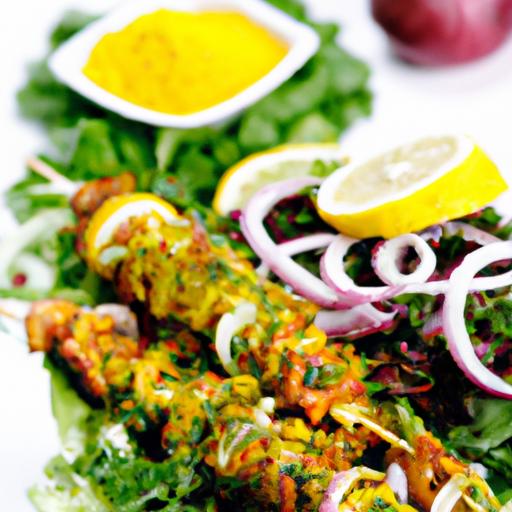
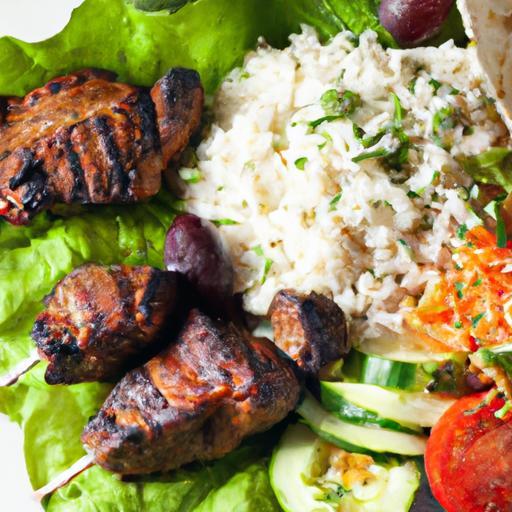
Present your koobideh kebabs alongside saffron-infused basmati rice or warm flatbreads.Garnish with charred tomatoes, fresh parsley sprigs, and thin lemon wedges for squeezing. Pair with a cool cucumber and yogurt tzatziki or sumac-spiced onions to elevate every bite. For beverages, try a sparkling pomegranate juice or a mint-infused lemonade to refresh the palate and heighten aromatic layers.

| Nutrient | Amount per Serving |
|---|---|
| Calories | 320 kcal |
| Protein | 28g |
| Carbohydrates | 4g |
| fat | 22g |
for those curious to explore further, discover more global kebab inspirations and grilling tips in our Grilling Magic: Expert Tips. To deepen your knowledge on the historical roots of Middle Eastern cuisine,visit the Encyclopedia Britannica’s guide.
Q&A
Q&A: Kebab Chronicles: savoring the World’s Legendary Skewers
Q1: What exactly defines a kebab?
A1: At its core, a kebab is a dish where pieces of meat, vegetables, or sometimes even fruit are skewered and cooked-typically over an open flame or grill. It’s a culinary concept embraced and transformed across cultures, turning humble skewers into storytelling vehicles of flavor, tradition, and technique.
Q2: How do kebabs differ around the world?
A2: Kebabs take on vibrant personalities depending on their regional roots. From the smoky, spice-laden Adana kebabs of Turkey to the delicate, herb-infused seekh kebabs of South Asia, each variety tells a tale of local ingredients, climate, and history. As an example, the Japanese yakitori focuses on bite-sized chicken pieces glazed with savory sauces, whereas Middle Eastern kebabs often celebrate lamb or beef married with robust spices.
Q3: What are some legendary meat choices used in famous kebabs?
A3: Lamb reigns supreme in many famed kebab recipes due to its rich flavor and tender texture, especially in Turkish and Iranian variants.Beef, chicken, and goat also star frequently, offering diverse textures and tastes that pair beautifully with aromatic spices and marinades. Fish-based kebabs emerge near coastal regions, adding a fresh and sometimes zesty dimension.
Q4: Are vegetarian or vegan kebabs popular?
A4: Absolutely! The kebab tradition isn’t confined to meat lovers. Many cultures enjoy skewered vegetables, paneer (a firm Indian cheese), or plant-based alternatives, all dressed with vibrant herbs and spices. Grilled mushrooms, peppers, zucchini, and tomatoes can dance on the skewer just as delightfully, often marinated to amplify their natural sweetness and umami.
Q5: What role do spices and marinades play in kebab making?
A5: Spices and marinades are the heartbeats of kebabs. They infuse the skewered ingredients with depth, complexity, and cultural identity. From cumin, coriander, and sumac to garlic, ginger, and yogurt-based marinades, each blend unlocks unique aromatics and tenderizes the meat, transforming simple skewers into legendary feasts of flavor.
Q6: How has the global popularity of kebabs influenced street food culture?
A6: Kebabs seamlessly fit into vibrant street food scenes worldwide because they’re portable, quick to cook, and endlessly customizable. Their smoky aroma often signals communal gatherings, bustling markets, and late-night cravings. The global love for kebabs has helped inspire fusion dishes, bringing traditional recipes into new culinary territories and making kebabs a beloved snack on every continent.
Q7: Are there any historical or cultural stories tied to kebabs?
A7: Yes! Kebabs often carry rich historical tapestries.In Persia, for example, kebabs were royal delicacies served in palace banquets while turkish kebabs trace back to warriors who cooked skewered meat over campfires. These stories imbue each bite with a sense of heritage and connection, linking modern diners to centuries of shared human experience and culinary ingenuity.
Q8: What makes a truly legendary kebab experience?
A8: A legendary kebab experience combines the perfect balance of quality ingredients,thoughtful seasoning,expert grilling,and cultural storytelling.The sizzle of the grill,the aroma of spices,and the communal joy of sharing create moments that transcend mere sustenance,transforming skewers into timeless celebrations of flavor,place,and tradition.
Concluding Remarks
As the smoky whispers of sizzling skewers fade into the night, our journey through the ”Kebab Chronicles” leaves us with more than just tantalizing flavors – it offers a window into the cultures, histories, and stories that each legendary skewer carries. From the vibrant street corners of Istanbul to the sun-drenched bazaars of the Middle East, kebabs are more than food; they are edible narratives, woven with spices, tradition, and passion.So next time you savor that perfectly charred piece of meat or vegetable, remember: you are partaking in a global tale thousands of years in the making, one delicious bite at a time.