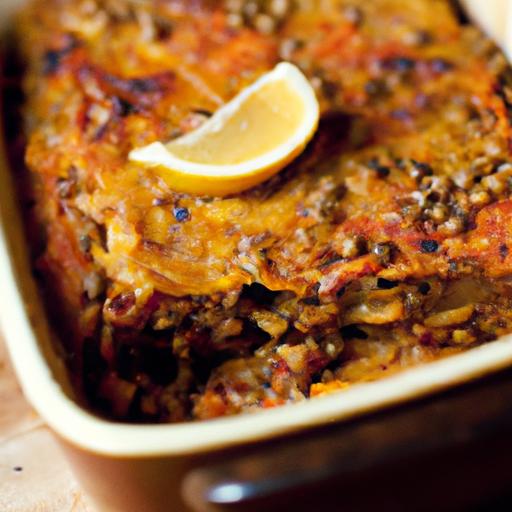

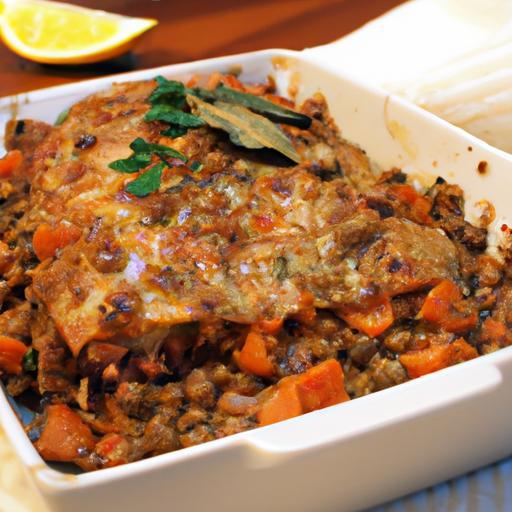
Lentils have long been celebrated for their hearty texture and rich, earthy flavour, making them a beloved staple in vegetarian kitchens worldwide. Now, imagine these humble legumes stepping into the spotlight of a classic mediterranean favorite: moussaka. Traditionally known for its layers of tender eggplant,spiced meat sauce,and creamy béchamel,this iconic dish takes on a new life when reimagined with lentils. “Hearty Lentil Moussaka” not only preserves the comforting essence of the original but also offers a vibrant, plant-based twist that’s as nourishing as it is flavorful. Join us as we explore how this vegetarian adaptation honors tradition while inviting both vegetarians and meat-eaters alike to savor every wholesome, satisfying bite.
The Rich History Behind Moussaka and Its Vegetarian Evolution
Hearty Lentil Moussaka is a captivating reinterpretation of a beloved Mediterranean classic that traces its roots back to the Levant and the Balkans. Traditionally, moussaka is a layered casserole featuring eggplant and minced meat, embraced especially in Greek and Middle Eastern cuisines.However, in recent decades, this dish has evolved wonderfully to accommodate vegetarian lifestyles without losing the depth and indulgence that makes it a staple comfort food.
As a culinary content creator and food stylist, I find that hearty lentil moussaka beautifully mirrors the soul of the original recipe while showcasing lentils’ earthy richness and satisfying texture. This conversion not only respects tradition but also celebrates modern sensibilities, offering a dish packed with nutrients and bold flavors. The classic layering of tender eggplant,creamy béchamel,and a savory filling is retained-but this time,the filling is a luscious blend of lentils,herbs,and spices that meld into a symphony of taste.
Prep and Cook time
- Preparation Time: 25 minutes
- Cooking Time: 60 minutes
- Total Time: 1 hour 25 minutes
Yield
Serves 6 generous portions
Difficulty Level
Medium – Ideal for home cooks ready to embrace layering and baking techniques for a show-stopping final dish
Ingredients
- 1 ½ cups green or brown lentils, rinsed
- 3 cups water or vegetable broth
- 2 large eggplants, sliced ½-inch thick
- 3 tablespoons olive oil, divided
- 1 large onion, finely chopped
- 3 garlic cloves, minced
- 1 large carrot, grated
- 1 can (14 oz) crushed tomatoes
- 2 teaspoons ground cinnamon
- 1 teaspoon dried oregano
- ½ teaspoon ground allspice
- Salt and freshly ground black pepper, to taste
- 3 tablespoons tomato paste
- 3 tablespoons all-purpose flour
- 3 cups whole milk (or plant-based milk for a vegan option)
- 2 tablespoons vegan butter or unsalted butter
- 1 cup grated Parmesan cheese (or nutritional yeast for vegan)
- Fresh parsley, chopped for garnish
Instructions
- Cook the lentils: in a medium saucepan, combine lentils and water or vegetable broth. Bring to a boil, then reduce heat and simmer gently for 25-30 minutes, or until lentils are tender but not mushy.Drain and set aside.
- Prepare the eggplant: Preheat oven to 400°F (200°C).Arrange eggplant slices on baking sheets, brush both sides lightly with 2 tablespoons olive oil, and sprinkle with salt. Roast for 20 minutes, flipping halfway until tender and golden. Remove and let cool.
- Make the lentil sauce: In a large skillet, heat 1 tablespoon olive oil over medium heat. Add chopped onion and sauté for 5 minutes until translucent. Stir in garlic and grated carrot, cooking another 3 minutes.
- Add spices and tomatoes: Stir in cinnamon, oregano, allspice, salt, and pepper. Mix in tomato paste, crushed tomatoes, and cooked lentils.Simmer sauce gently for 10-15 minutes to allow flavors to meld and thicken slightly. Adjust seasoning if necessary.
- Create the béchamel sauce: In a separate saucepan,melt butter over medium heat. Whisk in flour and cook for 2 minutes,forming a roux. Gradually pour in milk while whisking continuously to avoid lumps.Cook until thickened and creamy, about 5 minutes. remove from heat and stir in half the Parmesan cheese. Season with salt and pepper.
- Assemble your moussaka: In a deep baking dish, spread a thin layer of lentil sauce on the bottom. Layer half of the roasted eggplant slices over the sauce. Add the remaining lentil sauce evenly. Top with the rest of the eggplant slices. Pour béchamel sauce over the top,smoothing it out. Sprinkle with remaining Parmesan cheese.
- Bake with confidence: Bake uncovered at 350°F (175°C) for 40-45 minutes, or until the top is golden brown and bubbling. Let rest for 15 minutes to set before slicing for clean portions.
Expert Tips for Baking and Serving a Show-Stopping Vegetarian Moussaka
Resting time is crucial-it helps the layers marry and makes slicing much easier. If you want to prepare ahead, assemble the moussaka a day before, refrigerate, then bake just before serving.
For a richer béchamel sauce, try using half whole milk and half cream (or coconut cream for vegan). Alternatively, infuse the béchamel with a bay leaf or a cinnamon stick while heating to subtly echo the filling’s spices-just remember to remove before pouring.
If you prefer a deeper smoky flavor, char grill your eggplants instead of roasting-but be careful not to oversoak them to avoid sogginess.
instead of parmesan cheese, vegan cheesemakers can use nutritional yeast or any plant-based hard cheeses to achieve that savory kick.
Serving Suggestions
This hearty lentil moussaka pairs beautifully with a crisp Greek salad tossed with fresh cucumbers, tomatoes, kalamata olives, and a light lemon-oregano vinaigrette. Garnish your moussaka with freshly chopped parsley and a sprinkle of additional cheese or toasted pine nuts for texture.
Serve warm with crusty artisan bread or a side of lemony roasted potatoes to round out the meal. For an authentic touch, drizzle some extra virgin olive oil and a squeeze of fresh lemon over the top just before serving. The visual contrast of golden baked béchamel against vibrant green parsley creates an irresistible centerpiece.

Nutritional Information (per serving)
| Calories | protein | Carbs | Fat |
|---|---|---|---|
| 380 kcal | 18 g | 45 g | 10 g |
For a deeper dive into Mediterranean vegetarian dishes, explore our Greek Vegetarian Recipes Collection. To learn more about the cultural importance of moussaka across regions, the Encyclopedia Britannica provides an excellent overview.
Q&A
Q&A: Hearty Lentil Moussaka – A Vegetarian Twist on Tradition
Q1: What is moussaka, and how does this vegetarian version differ from the traditional dish?
A1: Moussaka is a layered casserole popular in Mediterranean and Middle Eastern cuisines, traditionally made with layers of eggplant, ground meat, and a creamy béchamel sauce. This vegetarian version swaps the meat for hearty lentils, keeping the rich texture and savory depth while making the dish plant-based and protein-packed.
Q2: Why use lentils in place of meat?
A2: Lentils bring a fantastic earthiness and a satisfying, meaty bite that complements the layers of tender vegetables. They also add fiber, iron, and plant-based protein, making the dish nutritious and filling-ideal for anyone looking to reduce meat consumption without sacrificing flavor.Q3: What are the key vegetables in a lentil moussaka?
A3: Eggplants are essential-they create lush, silky layers when roasted or sautéed. Potatoes or zucchini can also be included to add variety and texture. A rich tomato sauce with garlic and herbs binds everything, infusing each bite with warmth and complexity.
Q4: How do you achieve the creamy topping without traditional béchamel made from butter and milk?
A4: To keep it vegetarian and cozy, many recipes use a béchamel made from olive oil or plant-based margarine, combined with plant milk like almond or oat milk. This sauce thickens with flour and is seasoned with nutmeg and a touch of ground cinnamon or allspice for that classic moussaka flair.
Q5: Can the lentil moussaka be made ahead of time?
A5: Absolutely! This dish actually benefits from sitting overnight, as the flavors deepen and meld beautifully. Simply prepare, assemble, and refrigerate; then bake just before serving for a warm, comforting meal that’s perfect for busy weeknights or weekend gatherings.Q6: What herbs and spices enhance the flavor profile?
A6: Traditional Mediterranean herbs like oregano, thyme, and bay leaves are fantastic here.Adding a pinch of cinnamon or allspice to the sauce brings subtle warmth and complexity reminiscent of classic moussaka, tying the vegetables and lentils together with aromatic charm.
Q7: Is lentil moussaka gluten-free?
A7: It can be! just substitute the regular flour in the béchamel sauce with a gluten-free choice such as rice flour or cornstarch to thicken the sauce without compromising creaminess.
Q8: How can I serve this dish for a complete meal?
A8: Pair your lentil moussaka with a crisp, fresh salad-think cucumber, tomato, and herbs tossed with lemon juice and olive oil-to brighten the richness.A side of warm,crusty bread or a sprinkle of toasted pine nuts on top adds texture and complements the Mediterranean vibe.
Q9: Are there regional variations of moussaka that inspired this recipe?
A9: yes! Moussaka varies widely across the Mediterranean-from Greek versions layering eggplant and lamb to Middle Eastern styles with potatoes and spices. This lentil-based take draws inspiration from these traditions but adapts to a vegetarian lifestyle, blending familiar flavors with wholesome ingredients.
Q10: What tips ensure the perfect texture for lentils in moussaka?
A10: Cook the lentils until tender but not mushy-they should hold their shape to provide that satisfying bite. Brown them lightly in olive oil with onions and garlic before adding the tomato sauce to deepen their flavor, giving your moussaka a vibrant, hearty foundation.
Insights and Conclusions
In embracing lentils as the star of this moussaka, we’ve not only honored a timeless tradition but also breathed new life into it-transforming a classic into a hearty, wholesome celebration of vegetarian cuisine. This Lentil Moussaka stands as a flavorful testament to how simple, plant-based ingredients can carry rich stories and satisfying textures onto our plates. Whether you’re a seasoned meat-eater or a curious herbivore, this dish invites you to savor comfort and creativity in every layered bite-proving that tradition, when met with thoughtful innovation, can be both nourishing and delightfully unexpected.