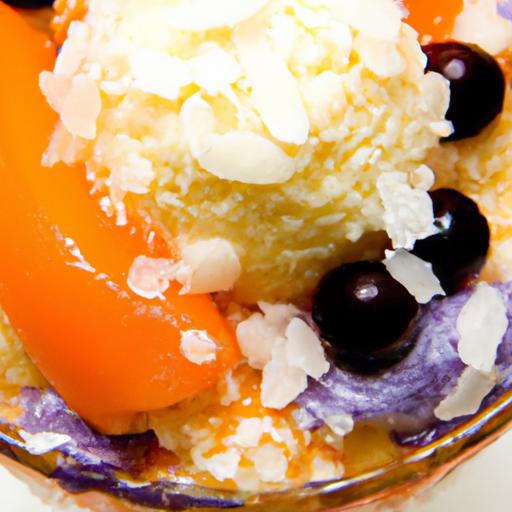

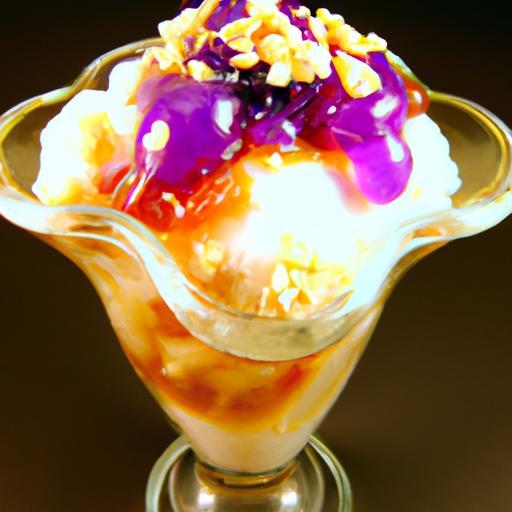
When the summer sun blazes high in the sky, Filipinos turn to a vibrant, icy treasure that’s as colorful as a festival and as refreshing as a cool breeze by the shore. Halo-Halo, a beloved Filipino dessert whose name literally means “mix-mix,” is a delightful medley of sweet beans, jellies, fruits, and shaved ice, crowned with creamy leche flan or a scoop of ube ice cream.More than just a treat, Halo-Halo is a sensory festivity that captures the spirit of the Philippines-rich in flavor, steeped in tradition, and bursting with joyful color. Join us as we dive into the world of this iconic dessert, exploring how Halo-Halo melts away the heat and brings people together one colorful spoonful at a time.
The Origins and Cultural Meaning of Halo-Halo
Halo-Halo: The Colorful Filipino Dessert That Melts Summer Away is more than just a refreshing treat-it’s a vibrant tapestry of Filipino history and culture served in a glass. Originating during the American colonial period in the early 20th century, this iconic dessert symbolizes the harmonious blend of diverse ingredients, much like the Philippines’ multicultural heritage. The term “halo-halo” literally means “mix-mix” in Tagalog, inviting everyone to combine various sweet elements and crushed ice for a burst of texture and flavor that instantly cools and delights in the tropical heat.
From bustling street vendors in Manila to festive family gatherings,halo-halo represents unity and joy,showcasing indigenous and imported ingredients-from native ube (purple yam) to sweetened beans of Indian influence. This dessert transcends generations, reminding us of simple pleasures and the rich bounty of Filipino tastes.
Exploring the Vibrant Ingredients That Make Halo-Halo Unique
What sets halo-halo apart is how it celebrates the vibrant colors and textures of its components, creating a symphony of sensory delight. Each ingredient tells a story: sweetened red mung beans and garbanzos offer earthiness, while kaong (sugar palm fruit) and nata de coco add chewy sweetness. The unmistakable hue of ube halaya and creamy leche flan provide richness, with the snow-like crushed ice balancing it all. A final drizzle of evaporated milk ties every element together, melting into a luscious, cooling concoction that is both indulgent and refreshing.
Prep and Cook Time
- Readiness: 20 minutes
- Assembly: 10 minutes
- Total Time: 30 minutes
Yield
Serves 4 generous portions
Difficulty Level
Easy to Medium – Ideal for adventurous home cooks eager to explore Filipino flavors
Ingredients
- 1 cup sweetened red mung beans (pre-cooked or canned)
- 1 cup sweetened garbanzo beans (chickpeas)
- 1/2 cup kaong (sugar palm fruit)
- 1/2 cup nata de coco
- 1/2 cup sweetened macapuno (coconut sport)
- 1 cup ube halaya (purple yam jam)
- 1 cup leche flan, cut into cubes
- 2 cups crushed ice
- 1 cup evaporated milk
- 1/4 cup sweetened jackfruit strips
- 1/2 cup toasted pinipig (pounded young rice flakes)
- Optional: a scoop of vanilla ice cream or ube ice cream for topping
Instructions
- Prepare the ingredients: If beans are canned, drain and rinse. Cut leche flan and ube halaya into bite-sized cubes. Keep fruit components ready.
- Layer the ingredients: In a tall, clear glass, layer the ingredients starting with sweetened mung beans and garbanzos at the bottom. Add kaong, nata de coco, macapuno, and jackfruit in successive colorful layers.
- Add crushed ice: Fill the glass nearly to the top with finely crushed ice, creating the signature snowy mound.
- Top with leche flan and ube halaya: Gently place the leche flan cubes and a generous spoonful of ube halaya atop the ice.
- pour evaporated milk: Slowly drizzle evaporated milk over the ice, letting it trickle down to mingle with the layers.
- Finish with texture: Sprinkle toasted pinipig for a subtle nuttiness and crunch that contrasts the creamy and chewy elements.
- Optional topping: Add a scoop of vanilla or ube ice cream for an extra indulgent twist.
- Mix before eating: Traditionally, halo-halo is stirred well (“mix-mix”) to enjoy the fusion of flavors and textures in every bite.
Tips for Crafting the Perfect Halo-Halo at Home
- Balance is key: Use finely crushed ice to avoid overly watery dessert and encourage quick chilling. Avoid chunky ice cubes.
- choose quality ingredients: Using fresh or well-made ube halaya and leche flan elevates the flavor instantly.
- Layer colorfully: Visual appeal is essential; arrange ingredients in contrasting colors to showcase its vibrant personality.
- Customize toppings: Feel free to experiment with local fruits like mango or sweet potato cubes but keep the core traditional ingredients.
- Prepare ingredients ahead: Cook beans and make flan or ube halaya a day prior to save on assembly time.
- Creative presentation: Serve halo-halo in glass parfait cups for effortless layering and an Instagram-worthy look.
Serving Suggestions
Halo-halo shines brightest when enjoyed chilled straight away, perfect under summer sun. Garnish with a delicate edible flower or a sprig of mint for freshness. Pair it with a simple Filipino snack like biko (sticky rice cake) for a well-rounded sweet experience. Provide long spoons to scoop deep through each layer, savoring every distinct yet harmonious flavor. Whether as a festive dessert or a street-side refresher, it’s always a conversation starter and crowd-pleaser.

| Nutrient | Per Serving |
|---|---|
| Calories | 280 kcal |
| Protein | 5 g |
| Carbohydrates | 55 g |
| Fat | 4 g |
For more on Filipino desserts’ origins and contemporary twists, visit the United States Tagalog Resource.
Q&A
Q&A: Halo-Halo - The Colorful Filipino Dessert That Melts Summer Away
Q: What exactly is Halo-Halo?
A: Halo-Halo, literally meaning ”mix-mix” in Tagalog, is a vibrant Filipino dessert celebrated for its colorful medley of ingredients. It’s a refreshing concoction of crushed ice, sweetened fruits, jellies, beans, and creamy milk, all layered to create a dazzling mosaic of flavors and textures.
Q: Why is Halo-Halo so popular during summer in the Philippines?
A: The Philippines’ tropical climate makes summer days scorching and humid. Halo-Halo offers a perfect icy relief that cools you down instantly. Its combination of crushed ice and sweet, creamy elements makes it both a snack and a cooling treat that feels like a sweet breeze in a bowl.
Q: What are the typical ingredients found in Halo-Halo?
A: The beauty of Halo-Halo is in its variety, but classic ingredients often include sweetened saba bananas, purple yam (ube), jackfruit, coconut strips, sweet beans, jellies, and sometimes tapioca pearls.Thes are piled up with crushed ice, evaporated milk drizzled on top, and usually crowned with a scoop of creamy ube ice cream or leche flan.
Q: How is Halo-Halo traditionally served?
A: Traditionally, Halo-Halo is served in a tall, clear glass or bowl to showcase its layered colors. You start by scooping a bit from the bottom layers, mixing the crushed ice and ingredients to enjoy the burst of flavors throughout each spoonful. It’s as much about the experience as it is indeed about the taste.
Q: Is Halo-halo a healthy dessert?
A: Halo-Halo can be as wholesome as you make it. Many of its ingredients-fruits, beans, and tubers-offer nutrients and fiber. However, it does contain added sugars and creamy milk, so it’s best enjoyed as an occasional indulgence rather than an everyday snack.
Q: Can Halo-halo be customized?
A: Absolutely! Part of Halo-Halo’s charm lies in its adaptability. Some add nata de coco, pinipig (toasted rice flakes), or gulaman (agar jelly) to personalize their mix. whether you like it more fruity, creamy, or chewy, Halo-Halo invites you to mix your own perfect summer symphony.
Q: What makes Halo-Halo unique compared to other shaved ice desserts around the world?
A: Unlike many shaved ice treats that focus mainly on syrups or fruits, Halo-Halo blends a variety of textures-from creamy to chewy to crunchy-all in one bowl. It tells a story of Filipino culture, heritage, and resourcefulness, transforming humble local ingredients into a feast for the senses.
Q: Where can one enjoy authentic Halo-Halo outside the Philippines?
A: Authentic Halo-Halo can be found in Filipino restaurants and dessert shops worldwide, especially in cities with large Filipino communities. Look for places that use traditional ingredients like ube and leche flan for the best experience, or try making it at home for a fun dive into Filipino flavors.
Q: How did Halo-Halo originate?
A: Halo-Halo’s roots trace back to the early 20th century when Japanese immigrants introduced a dessert called “kakigōri” (shaved ice) infused with local tropical ingredients. Over time,Filipinos embraced and elevated it,creating a uniquely colorful and layered dessert that reflects the nation’s rich cultural tapestry.
Q: what’s the best way to enjoy Halo-Halo?
A: Gather your friends, grab a tall glass, and don’t be shy to mix the layers thoroughly. Enjoy it slowly to savor the distinct flavors-from the earthy ube, sweet jackfruit, to the creamy milk and refreshing ice. It’s more than dessert; it’s a cool slice of Filipino summer packed in a bowl.
to sum up
As the sun blazes overhead and the summer heat shows no mercy, Halo-Halo stands out as more than just a dessert-it’s a vibrant celebration of Filipino heritage and creativity in a bowl. Every colorful layer, from the sweetened beans to the shaved ice and creamy leche flan, tells a story of tradition blended seamlessly with joyful innovation. So the next time the temperatures rise and you seek a refreshing escape, let Halo-Halo melt your worries away, one delightful spoonful at a time. In its kaleidoscope of flavors and textures, summer finds a sweet, cool companion-inviting you to savor not just a treat, but a cherished cultural experience.