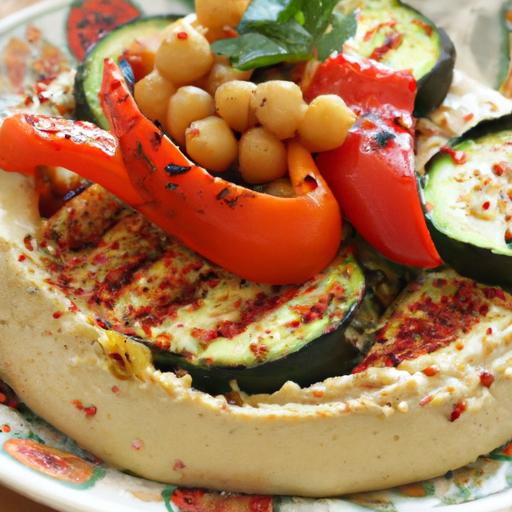

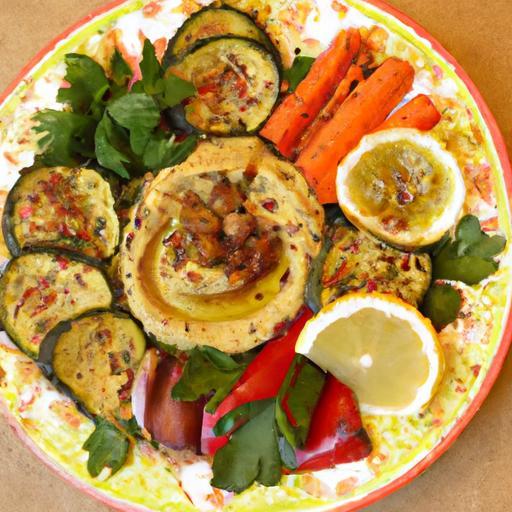
Nestled at the crossroads of ancient culinary traditions and vibrant modern flavors, Lebanese cuisine offers a treasure trove of tastes that awaken the senses. Among its many gems is the aromatic, herbaceous za’atar-a blend that transforms simple ingredients into something extraordinary. In this guide, we’ll explore how to craft a colorful, flavorful platter featuring za’atar roasted vegetables paired with creamy, luscious hummus. Whether you’re hosting a casual gathering or seeking a wholesome meal brimming with personality, this guide will walk you through the art of balancing textures, spices, and wholesome ingredients to create a truly unforgettable Lebanese-inspired feast. Get ready to dive into a world where every bite sings with the essence of sun-soaked Mediterranean hillsides and centuries-old traditions.
Exploring the Aromatic Magic of Za’atar in Roasted Vegetables
The Flavorful Lebanese za’atar Roasted Veggie & Hummus Platter Guide opens a gateway to savor the traditional essence of Middle Eastern cuisine,where za’atar-a fragrant blend of thyme,sumac,sesame seeds,and oregano-brings vegetables alive with its earthy,tangy notes. Growing up around savory family gatherings, the aromatic punch of za’atar was always the secret that transformed simple roasted vegetables into an unforgettable feast. Its vibrant herbal quality perfectly complements the caramelized sweetness of oven-roasted veggies, creating layers of flavor that make every bite an immersive experience in authentic Lebanese cooking.
Prep and Cook Time
- Preparation: 15 minutes
- Roasting: 30 minutes
- Total Time: 45 minutes
Yield
Serves 4-6 as an appetizer or side dish
Difficulty Level
Easy
Ingredients
- 2 medium zucchini, sliced into ½-inch thick rounds
- 2 medium eggplants, cut into 1-inch cubes
- 1 large red onion, peeled and quartered
- 1 red bell pepper, sliced into strips
- 1 yellow bell pepper, sliced into strips
- 2 tbsp extra virgin olive oil
- 3 tbsp za’atar blend (store-bought or homemade)
- 1 tsp kosher salt
- ½ tsp freshly ground black pepper
- 1 tbsp lemon juice (freshly squeezed)
- 1 garlic clove, minced
- Fresh parsley, finely chopped for garnish
Instructions
- Preheat your oven to 425°F (220°C). Line a large baking sheet with parchment paper for easy cleanup and even roasting.
- Prepare the vegetables: Place the zucchini, eggplant, red onion, and bell peppers in a large mixing bowl.
- Make the za’atar dressing: In a small bowl, whisk together olive oil, za’atar blend, lemon juice, minced garlic, salt, and black pepper until emulsified.
- Toss the veggies with the za’atar dressing, making sure each piece is well-coated. The oil helps the za’atar cling while promoting caramelization.
- Arrange the vegetables in a single layer on the prepared baking sheet to ensure they roast evenly without steaming.
- Roast for 25-30 minutes, turning halfway through. Watch for crisp edges and a tender interior-this is where the za’atar’s earthy aroma gets intensified by the heat.
- Remove from oven, transfer to a serving platter, and sprinkle generously with fresh parsley for a burst of color and freshness.
Tips for Success
- Choose firm vegetables: Opt for fresh zucchini and eggplants without soft spots to avoid sogginess during roasting.
- Keep veggies uniform: Ensures even cooking and prevents some pieces from drying out.
- customize your za’atar: Adjust the sumac or sesame seed quantities in your blend for a personal flavor signature.
- Use a convection setting if available, to achieve an extra crispy texture on your roasted vegetables.
- Make ahead: roasted veggies can be prepared a day in advance-reheat gently or serve at room temperature for an authentic mezze vibe.
Pairing Creamy Hummus Variations with Your Za’atar Roasted Medley
Balancing the shining, herbal za’atar roasted vegetables with a creamy hummus offers an irresistible harmony. Consider a classic smooth hummus for a mellow backdrop or try a roasted garlic hummus for an added depth of smoky sweetness.For a vibrant contrast,a beetroot or avocado hummus introduces earthiness and creaminess that beautifully complements the tart sumac within the za’atar blend.
Garnish your hummus bowls with extra za’atar, olive oil drizzle, and toasted pine nuts or sesame seeds to visually echo the platter’s character. This thoughtful pairing elevates every bite, encouraging guests to dive into a shared, communal experience that honors Lebanese flavors.
Serving Suggestions
- Arrange the za’atar roasted vegetables and hummus varieties on a large wooden board or rustic ceramic platter.
- Accompany with fresh pita bread, either warm or toasted, for dipping.
- Include small bowls of olives, pickled turnips, and sliced cucumbers for authentic Lebanese mezze flair.
- Finish with a sprinkle of pomegranate seeds or sumac for an eye-catching, jewel-like garnish.
| Nutrient | Per Serving |
|---|---|
| Calories | 180 kcal |
| Protein | 4 g |
| carbohydrates | 15 g |
| Fat | 12 g |

For a deeper dive into authentic lebanese flavor combinations, explore our Authentic Lebanese Hummus Recipes. To understand the health benefits of za’atar, visit this clinical overview by the National Institutes of Health.
Q&A
Q&A: Flavorful Lebanese Za’atar Roasted Veggie & Hummus Platter Guide
Q1: What makes za’atar such a special ingredient in Lebanese cuisine?
A1: Za’atar is a vibrant Middle Eastern spice blend that combines fragrant thyme,toasted sesame seeds,sumac,and salt. Its unique balance of herbal, nutty, and tangy notes adds depth and character to dishes. In Lebanese cuisine, za’atar is more than a seasoning-it’s a tradition that brings warmth and a distinctive earthy brightness to everything from breads to roasted veggies.
Q2: Why pair za’atar roasted vegetables with hummus in a platter?
A2: Za’atar roasted vegetables are bursting with herby, savory goodness and a hint of nutty crunch from the za’atar’s sesame seeds. When paired with creamy, smooth hummus, they create a harmonious dance of textures and flavors-earthy meets creamy, warm meets cool. This combo is perfect for sharing and evokes the convivial spirit of Lebanese mezze.
Q3: Which vegetables work best for roasting with za’atar?
A3: Root vegetables like carrots and sweet potatoes, sturdy options like cauliflower and broccoli, and vibrant bell peppers are fantastic choices. Their natural sweetness caramelizes beautifully in the oven, while za’atar infuses each bite with a lemony, herby pop. Eggplant also shines when roasted,soaking in those aromatic spices.
Q4: How do I roast vegetables so they’re perfectly tender but not soggy?
A4: The secret is to cut vegetables into uniform pieces to ensure even cooking,toss them generously in olive oil and za’atar,then roast at a high temperature (around 425°F / 220°C). this helps develop caramelized edges and locks in flavor without steaming them. Keep an eye and flip them halfway,aiming for tender insides with crispy,golden bits outside.Q5: Can I make the hummus from scratch for an authentic touch?
A5: Absolutely! Homemade hummus blends cooked chickpeas, tahini, lemon juice, garlic, olive oil, and salt into a creamy, luscious dip. Freshly ground ingredients mean you control the texture and brightness,perfect for scooping up those flavorful roasted veggies. Plus, freshly made hummus tastes incredibly vibrant and satisfying.
Q6: What are some creative plating tips to make the platter look inviting?
A6: Use a large wooden board or shallow platter to showcase an array of roasted veggies in colorful clusters. Place a bowl of hummus in the center and garnish it with a drizzle of olive oil, a sprinkle of za’atar, and maybe some chopped fresh parsley or toasted pine nuts. Scatter a few lemon wedges around for a pop of freshness and encourage guests to squeeze bright citrus over their bites.
Q7: Are there any simple additions to boost the platter’s flavor and texture contrast?
A7: Yes! add crunchy pita chips or warm flatbreads for dipping, tangy pickled vegetables to cut through the richness, or olives for a salty burst. Toasted nuts and fresh herbs like mint or cilantro can also elevate each bite with fresh aromas and crunchy satisfaction.
Q8: Is this platter suitable for all meal occasions?
A8: Definitely! The za’atar roasted veggie and hummus platter is wonderfully versatile. It works as an impressive appetizer for gatherings, a colorful lunchbox centerpiece, or a light yet satisfying dinner option. It’s fully plant-based, nutritious, and effortlessly tasty anytime.
Q9: How can I customize the za’atar blend if I don’t have a pre-made one?
A9: Crafting your own za’atar is easy with a basic mix of dried thyme, sumac, toasted sesame seeds, and a pinch of sea salt. Adjust the amounts to your taste-more sumac for tang, extra thyme for herbal intensity. Freshly toasted sesame seeds bring a real depth that pre-packaged blends sometimes lack. It’s a rewarding DIY step that adds authenticity.
Q10: What makes this Lebanese-inspired platter a great choice for mindful eating?
A10: This platter embraces natural, wholesome ingredients rich in fiber, vitamins, and plant-based protein. Roasting vegetables with za’atar highlights their natural flavors without heavy sauces or excessive salt. Paired with creamy hummus,it satisfies cravings without heaviness,encouraging slower,more mindful bites-perfect for nourishing both body and soul.
The way Forward
As you dive into the vibrant world of Lebanese flavors with your za’atar roasted veggie and hummus platter, you’re not just enjoying a meal-you’re savoring a story. Each herbaceous sprinkle of za’atar, each roasted vegetable bite, and every creamy dollop of hummus carries the essence of Middle Eastern tradition and mindful cooking. whether you’re hosting friends or indulging in a wholesome solo feast, this guide invites you to celebrate simplicity elevated by bold, natural tastes. So go ahead-let your palate wander through the zesty, earthy, and comforting layers of this platter, and make every bite a flavorful journey worth sharing.