
Flan Unveiled: Sweet History and Irresistible Recipes
Few desserts possess the timeless allure of flan-a silky custard crowned with a golden caramel glaze that has delighted palates across continents for centuries. behind its simple elegance lies a rich tapestry of cultural influences, culinary evolution, and heartfelt tradition. In this exploration, we peel back the layers of flan’s captivating history and reveal recipes that transform humble ingredients into an irresistible symphony of flavour and texture. Whether you’re a seasoned baker or a curious foodie, prepare to embark on a journey that celebrates flan in all its sweet, sumptuous glory.
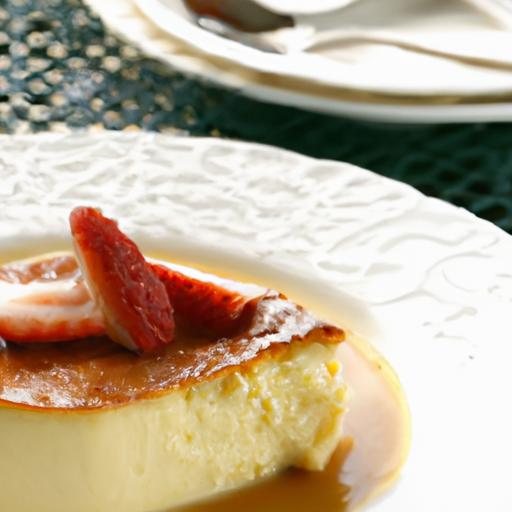
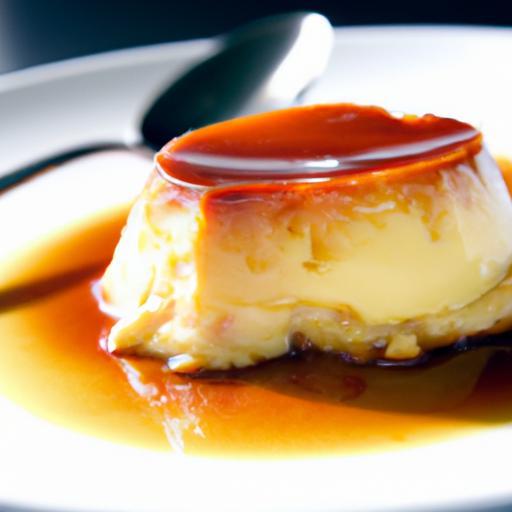
Flan unveiled: this timeless custard dessert has traveled across centuries and continents, winning hearts with its luscious, silky texture and caramelized crown. Rooted in ancient Europe and embraced by Latin America and beyond, flan blossoms into countless regional variations that highlight the rich diversity of cultural palates.Its enduring charm lies not only in its simple ingredients but also in the subtle artistry required to achieve that perfectly smooth, delicate custard that melts in your mouth.
Prep and Cook Time
- Readiness: 15 minutes
- Cooking: 50 minutes
- Cooling & Chilling: 4 hours (minimum)
Yield
Serves 6 elegantly portioned servings
Difficulty Level
Medium – Ideal for home cooks ready to impress with technique and finesse
Ingredients
- 1 cup granulated sugar (for caramel)
- 4 large whole eggs
- 2 large egg yolks
- 1 can (14 oz) sweetened condensed milk
- 1 can (12 oz) evaporated milk
- 1 tbsp pure vanilla extract
- Pinch of fine sea salt
Instructions
- Make the caramel: In a heavy-bottomed saucepan, melt the granulated sugar over medium heat. Stir gently with a wooden spoon until it liquefies and turns a deep amber color, about 8-10 minutes.Immediately pour the caramel into a 9-inch round flan mold or individual ramekins, swirling to coat the base evenly. Set aside to cool and harden.
- Prepare the custard: In a large mixing bowl, whisk together the whole eggs and egg yolks until just combined-avoid overwhisking to prevent air bubbles. Gradually add the sweetened condensed milk, evaporated milk, vanilla extract, and a pinch of salt. Mix until smooth and uniform.
- Strain for silkiness: Pour the custard through a fine-mesh sieve into a clean bowl or measuring jug. This step ensures a velvety flan free from any coagulated egg bits.
- Bake in a water bath: Preheat your oven to 325°F (160°C). Place the flan mold or ramekins inside a deep baking dish. Carefully pour the custard over the set caramel. Pour hot water into the baking dish until it reaches halfway up the sides of the mold (bain-marie technique). This gentle heat will create the signature silky texture.
- Bake until set: Bake for 45 to 50 minutes. Flan is ready when the edges are firm but the center still slightly jiggles when gently shaken-like gelatin. Avoid overbaking to keep that creamy consistency.
- Chill to perfection: Remove the flan from the water bath and cool to room temperature. Refrigerate for at least 4 hours or overnight to let the flavors meld and firmness develop.
- Unmold and serve: Run a thin knife around the edge to loosen the custard. Invert onto a serving plate, allowing the caramel to cascade down the sides-a stunning golden glaze.
Creative Twists to Inspire Your Flan Unveiled Experience
Enhance your flan journey by infusing it with regional flavors such as zesting in fresh lime or orange peel for brightness, or stirring in a teaspoon of finely ground cinnamon or cardamom for warming aroma. For a tropical flair, substitute evaporated milk with coconut milk for a subtly exotic flavor profile that remains irresistibly creamy.
Tips for Success
- Caramel caution: Caramel continues to cook after removing from heat, so pour it promptly to prevent burning and bitterness.
- Water bath precision: Use hot water and ensure it stays around halfway up the mold to avoid baking the custard too fast or unevenly.
- Straining matters: Passing custard through a sieve guarantees an ultra-smooth final product free from lumps or egg strings.
- Cooling patience: Flan develops best flavor after adequate chilling-resist the urge to plate it prematurely.
- Variations: To make a vegan version, explore silken tofu and plant-based milks, but expect textural differences.
Serving Suggestions
Present your flan with a light dusting of powdered cinnamon for warmth, or garnish with fresh berries, edible flowers, or delicate mint leaves for a pop of color and freshness. A drizzle of dark caramel or a sprinkle of toasted coconut adds layers of texture and visual interest. Pair with a robust cup of freshly brewed coffee or a fragrant herbal tea to complement the dessert’s rich sweetness.
| Nutrient | Per Serving |
|---|---|
| Calories | 280 kcal |
| Protein | 8 g |
| Carbohydrates | 38 g |
| Fat | 11 g |

Embark further on your pastry adventures by exploring our Complete Guide to Creamy Custard Desserts or dive deeper into the science behind custards on Serious Eats.
Q&A
Q&A: Flan Unveiled – Sweet History and Irresistible Recipes
Q1: What exactly is flan, and why is it so beloved around the world?
A: Flan is a luscious custard dessert topped with a delicate layer of caramel. Its silky texture and harmonious blend of sweet and rich flavors have enchanted palates across continents for centuries. With origins tracing back to ancient Rome and evolving through Spanish and Latin American influences, flan’s universal appeal lies in its simplicity and elegance-a sweet canvas that invites countless variations.
Q2: How did flan come to be such a global favorite?
A: The journey of flan spans millennia. Starting as a savory dish in ancient Rome,flan transformed into the sweet caramel-topped custard we certainly no today largely due to Spanish culinary traditions. Spanish explorers and settlers brought flan recipes to the Americas, where indigenous ingredients and tastes inspired unique adaptations. This melding of cultures turned flan into a symbol of shared history and a delicious bridge between worlds.Q3: What are the key ingredients that make a perfect traditional flan?
A: At its heart, traditional flan relies on simple, high-quality ingredients: eggs, milk (or cream), sugar, and vanilla. The magic lies in their precise balance and careful cooking. sugar caramelizes into a golden syrup at the base of the mold, creating a sweet pool that crowns the custard once inverted. The custard itself sets into a creamy, melt-in-your-mouth delight that’s both comforting and indulgent.
Q4: How can home cooks achieve the perfect flan texture?
A: achieving that signature smooth and tender flan requires gentle, even cooking-typically a water bath (bain-marie) method. This slow, indirect heat ensures the custard cooks evenly without curdling or cracking. Patience is key; allowing the flan to cool gradually and chill for several hours also enhances its structural and flavor harmony.
Q5: Are there exciting variations of flan that still honor the classic essence?
A: Absolutely! Flan’s versatility invites creativity while respecting its roots. Some beloved twists include coconut flan with creamy shredded coconut folded in, coffee-infused flan for a rich espresso undertone, or tropical mango flan that combines silky custard with vibrant fruit puree. Even dairy-free flan, made with almond or coconut milk, offers a delightful take for various dietary preferences.
Q6: What tips can you share for perfect caramel without bitterness?
A: Caramel can be tricky-too little cooking and it’s pale and sweet; too much and it turns bitter. To hit the sweet spot, melt sugar slowly over medium heat without stirring too vigorously. Once it takes on a rich amber hue and fragrant aroma, immediately pour it into your mold before it continues to darken. Using a heavy-bottomed pan helps distribute heat evenly and prevents scorching.
Q7: How should flan be served for maximum enjoyment?
A: Flan shines best served chilled, allowing its custard to firm up beautifully and caramel to remain luscious. When unmolded, the caramel melts over the custard in a glossy cascade. Pair it with fresh berries, a sprig of mint, or a dusting of cinnamon to elevate the experience. enjoy it as a refined finale to a dinner party or a comforting treat on a quiet afternoon.
Q8: Can flan be prepared in advance, and how is it best stored?
A: Definitely. Flan actually tastes better after resting for at least a few hours or overnight, as the flavors meld and texture sets perfectly. Store it covered in the refrigerator to prevent it from absorbing other aromas. When ready to serve, simply unmold and garnish.It’s a make-ahead dessert winner for busy hosts and sweet lovers alike!
Celebrate flan’s timeless charm by exploring its sumptuous history and experimenting with these delicious recipes. Whether traditional or adventurous, flan promises a journey of flavor and finesse you won’t forget.
Wrapping Up
As we close the chapter on flan’s rich tapestry, we’ve journeyed through centuries of sweet tradition and uncovered recipes that invite both novice and seasoned bakers to craft this silky delight. More than just a dessert, flan is a living story-each caramel kiss and custard spoonful a tribute to its enduring charm across cultures. so whether you savor it as a comforting finale to a meal or share it as a token of celebration,flan remains a timeless indulgence,patiently waiting to be rediscovered in your own kitchen. Dive in, and let every bite tell a story of sweetness and history combined.