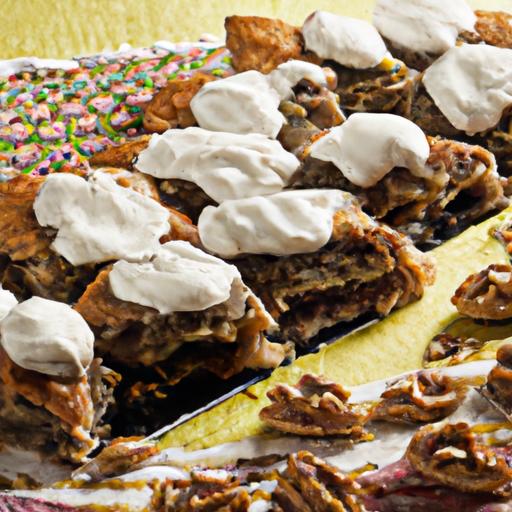

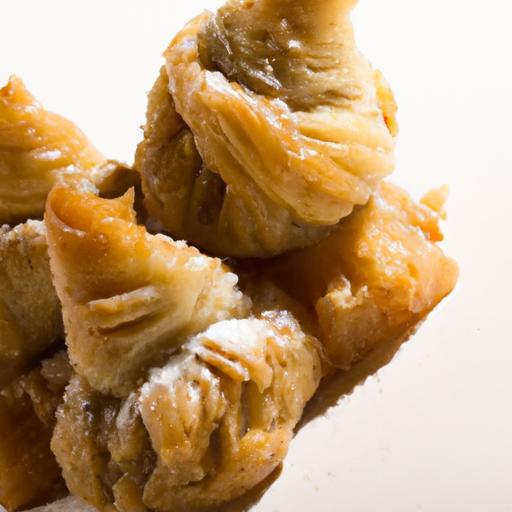
In the bustling kitchens of Turkey, where tradition meets tantalizing aroma, a delicate alchemy unfolds – transforming simple ingredients into layers of flaky, buttery bliss. Turkish pastry craftsmanship is more than just baking; it’s an art form that carries centuries of history, culture, and a deep-seated passion for texture and flavor. From the crisp, paper-thin sheets of yufka too the golden, honey-drenched magic of baklava, each pastry tells a story of meticulous skill and heartfelt dedication. Join us as we embark on a flavorful journey through the world of Turkish flaky delights, uncovering the secrets behind their irresistible crunch and the masterful hands that bring them to life.
Flaky delights have long enchanted culinary enthusiasts, especially when it comes to Turkish pastry craftsmanship-a tradition that marries heritage with unmatched artistry.Rooted deeply in Ottoman kitchens, these pastries embody centuries of storytelling, rituals, and flavors that transcend borders. Every bite reveals delicate, buttery layers that melt with precision, showcasing a mastery that is both mesmerizing and accessible in your own kitchen.
Prep and Cook Time
- Preparation: 45 minutes (including dough resting)
- Cooking: 25-30 minutes
- Total: 1 hour 15 minutes
Yield
Serves 6-8 portions of assorted Turkish pastries
Difficulty Level
Medium – Ideal for home bakers ready to explore laminated dough techniques
Essential Ingredients for Authentic Turkish Pastry
- 2 ½ cups all-purpose flour, sifted for a tender crumb
- 1 tsp kosher salt to balance the richness
- 1 cup warm water (approx. 100°F/38°C) to activate elasticity
- ¾ cup unsalted butter, melted and cooled, plus extra for laminating
- ½ cup vegetable oil for a supple dough texture
- 1 tbsp white vinegar to enhance flakiness
- 2 tbsp powdered sugar for subtle sweetness in the dough
- Optional filling ideas: crumbled feta, chopped walnuts and honey, ground pistachios with sugar, or spiced ground lamb
Mastering the Techniques Behind Perfectly Flaky Layers
- Mix the Dough: In a large bowl, combine the sifted flour, salt, and powdered sugar. Slowly incorporate warm water, vegetable oil, melted butter, and vinegar while stirring until a shaggy dough forms.
- Knead for Elasticity: Turn the dough onto a floured surface and knead vigorously for 8-10 minutes until smooth and slightly tacky but not sticky.
- Resting the Dough: Cover the dough with a clean towel and let it rest for 30 minutes. This allows gluten development critical for flaky layering.
- Preparing the Butter Layer: Place the remaining cold butter between two sheets of parchment paper and tap into a thin rectangle about 8×6 inches. Chill briefly so it remains firm but pliable.
- Laminating the Dough: Roll the dough out to a 12×9-inch rectangle. Place the butter slab on two-thirds of the dough,fold the uncovered third over the butter,then fold the last third like an envelope. Roll it back out gently to 12×9 inches. Repeat this folding and rolling process 3 times, chilling the dough 10 minutes between each to maintain distinct layers.
- shaping the Pastry: Cut the laminated dough into desired shapes-triangles for börek,squares for baklava bases,or thin sheets for gözleme. Fill or layer as preferred, always keeping the dough cold.
- Baking: Preheat oven to 375°F (190°C). Arrange pastries on parchment-lined trays. Brush surfaces lightly with melted butter or egg wash for golden browning.Bake for 25-30 minutes until flaky,crisp,and golden.
Expert Tips for Baking and Serving Turkish Delights at Home
- Keep Everything Cool: The key to flaky layers is not letting the butter melt prematurely. Work quickly and chill the dough when needed.
- Use Unsalted Butter: Control the saltiness and flavor balance accurately.
- Fillings Matter: Conventional Turkish pastries shine with fresh,simple fillings. Try a mix of tangy cheeses with fresh herbs or mildly spiced nuts for sweetness.
- Make Ahead: You can prepare and laminar the dough ahead of time, refrigerate wrapped in plastic, and bake within 24 hours for fresh results.
- Troubleshooting: If layers don’t separate well, ensure your dough wasn’t rolled too thin after laminating. Your butter layer should remain distinct to create lift.
- Serving: Serve warm with a side of Turkish black tea or ayran (salted yogurt drink) for the authentic experience.
serving Suggestions
Arrange your flaky Turkish pastries on a rustic wooden board or ornate ceramic plate.Garnish with a sprinkle of toasted sesame seeds or crushed pistachios atop savory bites to add texture and vibrancy. Sweet varieties pair beautifully with a drizzle of honey and a dusting of powdered sugar. Accompany with fresh mint leaves and thinly sliced cucumbers for a refreshing counterpoint.

| Nutrient | Per Serving |
|---|---|
| Calories | 320 kcal |
| Protein | 6 g |
| Carbohydrates | 28 g |
| Fat | 20 g |
For further inspiration on layered dough techniques and Middle Eastern culinary traditions, explore our detailed guide on Middle Eastern Pastry Techniques. To deepen your understanding of the historical and cultural relevance of Turkish baking, check out this Britannica overview of Turkish cuisine.
Q&A
Q&A: Flaky Delights – Exploring the Art of Turkish Pastry Craftsmanship
Q1: What makes Turkish pastries uniquely flaky compared to pastries from other cuisines?
A1: Turkish pastries achieve their signature flakiness through meticulous layering of ultra-thin dough sheets,known as yufka or phyllo. Craftsmen skillfully brush each layer with clarified butter or sunflower oil, creating delicate strata that puff up and separate beautifully during baking. This technique, passed down through generations, is both an art and a science, producing that irresistibly light and flaky texture distinctive to Turkish pastries.
Q2: Can you tell us about some classic Turkish pastries that showcase this flaky craftsmanship?
A2: Certainly! Baklava is perhaps the most famous example, weaving layers of crisp dough with chopped pistachios or walnuts and fragrant spices, all drenched in honey or syrup. Another beloved delicacy is börek-a savory pastry often filled with spinach, cheese, or minced lamb-wrapped in those paper-thin pastry sheets and baked to golden perfection. Each bite epitomizes the harmony of delicate crunch and rich filling.
Q3: How notable are the ingredients in achieving the perfect Turkish pastry?
A3: Ingredients are paramount. Flour must be finely milled for dough elasticity; fresh butter or quality oils impart richness and crispness; and fillings are crafted from the freshest nuts,cheeses,or vegetables. The interplay between these elements, combined with expert technique, ensures the pastries aren’t just flaky but bursting with authentic flavor.
Q4: What cultural significance do these pastries hold in turkish society?
A4: Turkish pastries are more than just treats-they are woven into the fabric of social gatherings and celebrations. Sharing baklava during festivities like Eid symbolizes generosity and joy. Serving börek at family breakfasts fosters warmth and connection. These pastries are edible stories, reflecting hospitality, tradition, and the artistry of countless hands that perfect their craft.
Q5: Are there any modern twists on traditional Turkish flaky pastries?
A5: Absolutely! Contemporary chefs are experimenting by blending traditional techniques with innovative fillings-think pistachio and rosewater-infused cream or savory blends like roasted eggplant with herbs. Some even incorporate choice sweeteners or gluten-free flours to cater to diverse palates, while maintaining that hallmark flakiness. This evolution respects heritage but invites new flavors to the table.
Q6: What tips would you give to home bakers eager to master flaky Turkish pastries?
A6: Patience and precision are your allies. Take your time rolling out the dough paper-thin-this is where flakiness begins. Use generous layers of melted butter or oil between sheets to encourage separation and crispness. Don’t rush the baking; low and slow helps achieve even browning and texture. And embrace the process as a creative ritual, connecting you to centuries of Turkish pastry artistry.
Q7: How do regional variations influence the style and flavor of Turkish pastries?
A7: Turkey’s diverse landscape breathes variety into pastry traditions. In Gaziantep, baklava is renowned for its abundant pistachios and honey sweetness, while in the Aegean region, savory börek often features local herbs and cheeses. Each region adapts techniques and ingredients to reflect local tastes and resources, providing a rich mosaic of flaky delights that together narrate the country’s culinary heritage.
This Q&A invites readers into the enchanting world of turkish pastry craftsmanship,celebrating its flaky textures,rich traditions,and the heartfelt dedication behind every bite.
To Wrap It Up
As the final layers of these delicate pastries unfold in your mind, it becomes clear that Turkish pastry craftsmanship is more than just a culinary tradition-it is indeed an art form steeped in history, patience, and passion. Each flaky bite tells a story of generations perfecting dough and butter, of hands gently folding stories into every sheet. Whether enjoyed in a bustling Istanbul café or recreated in your own kitchen, these golden creations invite us to savor not only their rich flavors but also the meticulous artistry behind them. In embracing the flaky delights of Turkey, we celebrate a timeless craft that continues to inspire and delight palates around the world.