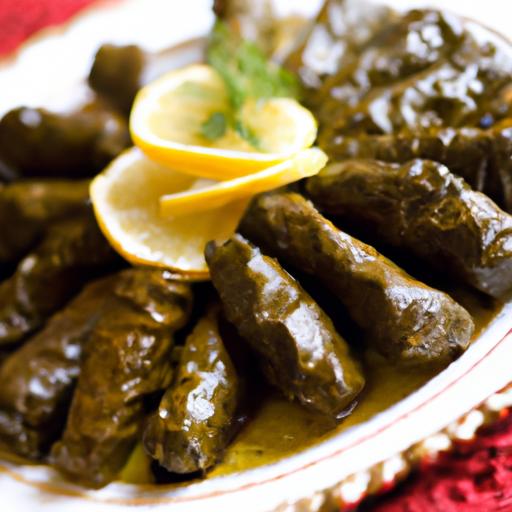

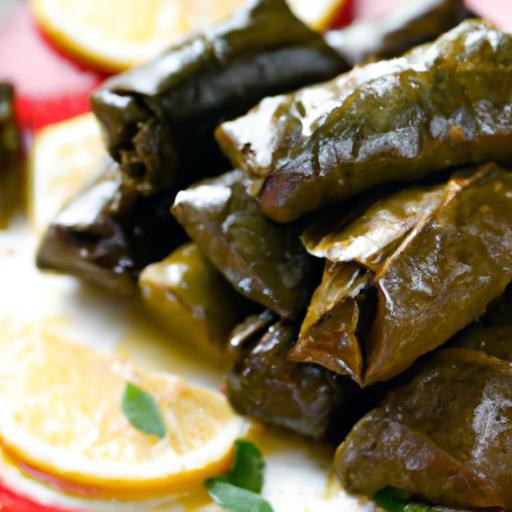
There’s a humble elegance wrapped in every tender fold of a dolma – those delicate stuffed grape leaves that have woven thier way through the culinary tapestries of the Mediterranean and Middle East for centuries. More than just a dish, dolmades are a tasty tapestry of culture, history, and artistry, where vine leaves cradle fragrant fillings of rice, herbs, and sometimes meat, creating a perfect harmony of texture and flavor. in this exploration, we’ll unfold the secrets behind these savory parcels, tracing their origins, mastering their readiness, and savoring the rich traditions that make dolmades a timeless delight enjoyed around the world.
Dolmades Delight begins with an gratitude for the ancient culinary heritage embodied in every perfectly wrapped grape leaf parcel. These stuffed grape leaves, cherished across Mediterranean and Middle Eastern cultures, tell stories of gatherings, craftsmanship, and the pursuit of balanced flavors. From the sun-dappled vineyards of Greece to the bustling kitchens of regional homes, dolmades carry with them tradition and love, making them more than just a dish – they are a celebration of history and community.
Prep and Cook Time
Preparation: 30 minutes | Cooking: 1 hour 15 minutes | Total: 1 hour 45 minutes
Yield
approximately 24 dolmades (serves 6 as an appetizer or light main)
Difficulty Level
Medium: Requires attention to detail, patience with rolling, but rewarding upon masterful execution.
Ingredients
- 50 fresh grape leaves (or 2 jars of preserved grape leaves, rinsed thoroughly)
- 1 cup long-grain rice, rinsed and drained
- 1/2 cup finely chopped onion
- 1/2 cup fresh parsley, finely chopped
- 1/4 cup fresh dill, chopped
- 1/4 cup fresh mint leaves, chopped
- 1/2 cup pine nuts, toasted
- 1/2 cup currants or golden raisins (optional for sweetness)
- Juice of 2 lemons (plus extra for serving)
- 1/3 cup extra virgin olive oil (plus 2 tbsp for brushing)
- Salt and freshly ground black pepper, to taste
- 2 cups vegetable or chicken broth (preferably homemade)
Instructions
- Preparing the Grape Leaves: If using fresh leaves, blanch them in boiling water for 2 minutes until soft and pliable.Drain on paper towels and pat dry. For jarred leaves, rinse well to remove excess brine and soak in warm water for 10 minutes, then drain thoroughly.
- Crafting the Filling: In a medium skillet, heat 2 tablespoons of olive oil over medium heat. Add finely chopped onion and sauté until translucent and fragrant, about 5 minutes. Stir the rice in and toast lightly for 2 minutes, stirring to prevent sticking.
- Mixing Herbs and Nuts: Remove the skillet from heat. fold in the chopped parsley, dill, mint, pine nuts, currants (if using), half the lemon juice, salt, and pepper. Combine thoroughly and let the mixture cool slightly.
- Filling and Rolling: Lay a grape leaf vein-side up on a clean surface. Place about 1 teaspoon of filling near the stem end, shaping it into a small log. Fold the sides over the filling and roll tightly but gently towards the tip, ensuring a compact cylinder without tearing.
- Layering in the Pot: Line the bottom of a heavy-bottomed pot with a few unfilled grape leaves to prevent sticking. Arrange dolmades snugly, seam-side down, layering them in neat circles.
- Cooking: Drizzle remaining olive oil and lemon juice over the rolled dolmades. Add broth until barely covering the parcels. place a small plate weighted with a can or heatproof lid on top to keep dolmades submerged. Simmer gently on low heat for 50-60 minutes, until rice is tender but not mushy.
- Resting and Serving: Remove pot from heat and let dolmades rest, covered, for 15 minutes to absorb remaining liquid and flavors. Serve warm or at room temperature with extra lemon wedges and a drizzle of olive oil.
Tips for Success: Balancing the Filling and Mastering the Roll
- Filling Harmony: The key to dolmades delight lies in balancing shining herbs with the nutty pine nuts and the subtle sweetness of currants.Adjust acidity by adding lemon juice gradually-too much can overpower, too little leaves a flat finish.
- Leaf Selection: Choose grape leaves that are tender and not overly thick or brittle. Freshly picked or preserved leaves soaked adequately will offer adaptability and prevent tearing.
- Rolling Technique: Keep your fingers damp to stop filling from sticking. Roll firmly but gently-too tight restricts rice expansion, causing bursting; too loose leads to unraveling during cooking.
- Make-Ahead: Dolmades taste even better the next day as flavors meld. Prepare in advance and refrigerate, gently reheating before serving.
- Variations: For a richer twist, incorporate ground lamb or beef into the filling. For vegan options, substitute broth for vegetable stock and omit pine nuts if preferred.
Serving Suggestions
Present dolmades on a rustic wooden platter,garnished with fresh dill sprigs and thin lemon twists. Accompany with a chilled bowl of tzatziki or a tangy yogurt dip for contrast. A drizzle of high-quality olive oil and a sprinkle of smoked paprika can elevate the visual and flavor profile beautifully.

Nutrition Facts per serving
| Calories | Protein | Carbs | Fat |
|---|---|---|---|
| 180 kcal | 4 g | 28 g | 6 g |
Discover more Mediterranean-inspired recipes like Greek Horiatiki Salad to complement your dolmades feast. For further insights into the cultural history and techniques behind dolmades, visit Britannica’s Dolmades Overview.
Q&A
Q&A: Dolmades Delight – The Art and Flavor of stuffed Grape Leaves
Q1: What exactly are dolmades?
A1: Dolmades are a customary Mediterranean dish consisting of tender grape leaves stuffed with a fragrant blend of rice,herbs,and sometimes meat. originating from regions around the Mediterranean and the middle East, they embody a beautiful marriage of simple ingredients and skilled craftsmanship, wrapped in nature’s edible green.
Q2: Why use grape leaves, and what do they add to the dish?
A2: Grape leaves are not just a whimsical choice-they bring a unique texture and slightly tangy, vegetal flavor that complements the stuffing perfectly. When cooked, they become tender yet resilient, creating a natural wrapper that holds the fillings together while adding a subtle earthiness that elevates every bite.
Q3: How is the stuffing typically prepared?
A3: The stuffing is a symphony of flavors-usually rice mingled with fresh herbs like dill, mint, and parsley; sometimes pine nuts or currants add bursts of texture and sweetness.depending on tradition, ground lamb or beef may enrich the mixture, but vegetarian versions are equally beloved for their fresh, aromatic qualities.
Q4: Is there a particular technique to rolling dolmades?
A4: Absolutely! Rolling dolmades is an art form passed down through generations. The grape leaf must be laid smooth-side down, a spoonful of filling placed near the stem end, then carefully folded in from the sides before rolling up tightly but gently. The goal is a neat, compact parcel that will cook evenly and not unravel.
Q5: How are dolmades cooked and served?
A5: Once rolled, dolmades are layered snugly in a pot, frequently enough with lemon slices and sometimes tomato slices on top to infuse brightness during cooking. They are simmered slowly, usually in a broth or water seasoned with olive oil and lemon juice, until tender and infused with tangy, herbal notes. Served warm or at room temperature, they often arrive drizzled with extra olive oil and accompanied by a wedge of lemon or a dollop of creamy yogurt.
Q6: What makes dolmades a cultural and culinary treasure?
A6: Dolmades unite nature, tradition, and communal spirit. They reflect the resourcefulness of Mediterranean cooks who transformed humble grape leaves into a delicacy. Beyond their layered flavors,dolmades symbolize family heritage,hospitality,and the joy of sharing meals wrapped in the vine’s embrace-truly a culinary delight that’s both art and flavor.
Q7: can dolmades be adapted for modern palates or dietary needs?
A7: Certainly! While traditional recipes hold their charm, dolmades can easily be adapted with quinoa or bulgur for choice grains, or stuffed with vibrant veggies for a vegan twist. Spices and herbs can be customized,enabling this age-old dish to bloom anew in contemporary kitchens around the world.
With every dolma unwrapped, we taste a story woven from leaves, herbs, and loving hands-a delicious bridge between past and present, land and table. Dive into the art of dolmades and discover a Mediterranean treasure bursting with flavor and tradition.
To Conclude
As we unravel the layers of Dolmades,we uncover more than just a dish – we discover a testament to culinary tradition and the artful dance between flavor and culture. These tender grape leaves,lovingly stuffed with fragrant rice,herbs,and sometimes a hint of tangy lemon,tell stories passed down through generations,bringing a taste of the Mediterranean’s sun-drenched hills to every bite. Whether enjoyed as a humble street food or a centerpiece of a festive feast, dolmades invite us to savor not only their delicate flavors but also the rich heritage they embody.So next time you encounter this timeless delight, take a moment to appreciate the intricate craft and soulful history wrapped in each leaf – a true celebration of gastronomy’s enduring embrace.