
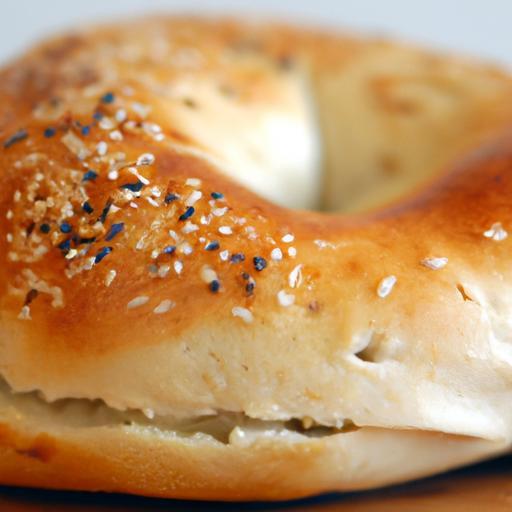
There’s something undeniably magical about the warm, doughy embrace of a freshly baked bagel-its golden crust crackling gently as you take that first bite, revealing a soft, chewy interior that melts in your mouth. While bagels might seem like a simple breakfast staple,achieving that perfect balance of crust and crumb at home can feel like an elusive craft. But fear not: with a sprinkle of patience, a pinch of know-how, and a few straightforward steps, you can unlock the secrets to baking bagels that rival your favorite bakery. In this article, we’ll guide you through the joyful journey of making homemade bagels, turning an everyday ingredient into a comforting masterpiece you’ll be proud to share. Welcome to Bake Joy-where perfect bagels begin with simple steps.
Bake Joy: Simple Steps to Perfect Homemade Bagels
Bake Joy: Simple Steps to Perfect Homemade Bagels invites you into the beautiful tradition of making bagels right in your own kitchen. These iconic circular breads,cherished from New York’s bustling streets to breakfast tables worldwide,boast that magical contrast of a fluffy yet chewy crumb embraced by a crisp golden crust. Whether you’re craving a wholesome snack or a festive brunch centerpiece, mastering the art of bagel baking grants access to a sensory delight like no other.
Prep and Cook Time
- Preparation: 25 minutes
- First Rise: 1 hour
- Shaping and Proofing: 45 minutes
- Boiling: 10 minutes
- Baking: 20 minutes
- Total Time: Approximately 3 hours
Yield
Yields 8 classic-sized bagels
Difficulty Level
Medium – Perfect for adventurous home bakers eager to impress with texture and presentation.
Ingredients
- 4 cups bread flour, sifted
- 1 ½ teaspoons instant yeast
- 1 ½ teaspoons fine sea salt
- 1 ¼ cups warm water (about 110°F/43°C)
- 1 tablespoon granulated sugar
- 2 tablespoons barley malt syrup (or honey as an alternative)
- For boiling: 4 quarts water + 1 tablespoon barley malt syrup
- Optional toppings: sesame seeds, poppy seeds, coarse salt
Instructions
- Combine active ingredients: In a large bowl, whisk together the bread flour, instant yeast, salt, and sugar ensuring even distribution. Gradually add the warm water along with the barley malt syrup.
- Mix the dough: Using a sturdy wooden spoon or dough hook attachment on your mixer, mix until the dough begins to come together. It should feel slightly sticky but pull away from the sides.
- Knead to perfection: Transfer dough to a lightly floured surface and knead for 8-10 minutes until smooth and elastic. If using a stand mixer, knead with the dough hook on medium speed for 6-7 minutes. The dough is ready when it springs back gently to touch.
- First rise: Place dough in a lightly oiled bowl, cover tightly with plastic wrap or a damp cloth, and let it rest in a warm spot until doubled in size-about 1 hour.
- Shaping the bagels: Gently deflate dough and divide it evenly into 8 portions. Roll each ball into a smooth sphere. Using your thumb, press a hole through the centre of each ball and gently stretch until the hole measures about 2 inches in diameter. Set shaped bagels on parchment-lined trays.
- Proofing: Cover the bagels loosely and let them rest for 40-45 minutes until puffy but not overly risen. This step is crucial for achieving the right texture and oven spring.
- Preheat oven and prepare boiling water: Preheat your oven to 475°F (245°C). Fill a large pot with water, add 1 tablespoon barley malt syrup, and bring to a rolling boil. The malt syrup helps create that signature golden crust.
- Boil the bagels: Using a slotted spoon, gently drop 2-3 bagels at a time into boiling water. Boil for 60 seconds on each side. Remove and drain briefly on a wire rack or clean towel.
- Add toppings: While still damp, sprinkle your desired toppings such as sesame or poppy seeds to add texture and flavor.
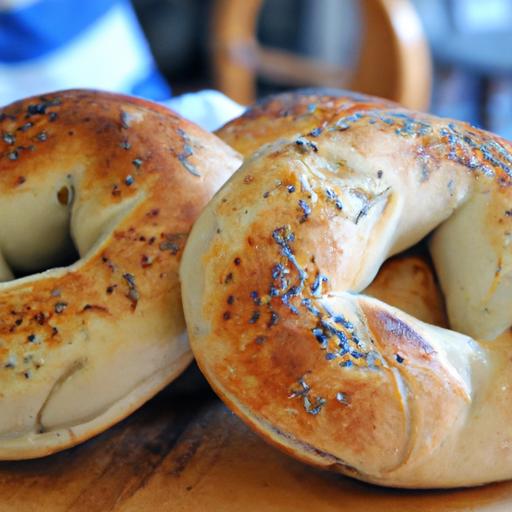
- Bake to finish: Arrange bagels on parchment-lined baking sheets. Bake for 20 minutes or until deeply golden all over. Rotate trays halfway to achieve even browning.the resulting crust will be crisp and beautifully shiny.
- Cool and enjoy: Transfer baked bagels to a wire rack for at least 20 minutes before slicing. This resting allows the interior crumb to set perfectly.
Tips for Success
- Flour choice matters. Using bread flour with higher protein ensures a chewy, structured crumb. all-purpose flour results in softer bagels but with less chew.
- Room temperature water is key. Water that is too hot can kill yeast, while too cold slows fermentation.Aim for around 110°F (43°C).
- Be gentle during shaping. Overstretching holes may cause closure during boiling and baking. Aim for a firm yet flexible ring.
- Boiling time affects texture. Less than 1 minute per side yields softer bagels, while longer boiling firms up the crust and chewiness.
- Use barley malt syrup for authentic flavor. it enhances browning and introduces mild sweetness and complexity; honey works as a great substitute.
- Make-ahead: Shape bagels and freeze them raw on baking sheets. When ready, boil and bake straight from frozen with an extra 2-3 minutes baking time.
Serving suggestions
Enjoy these bagels warm, slathered with cream cheese and a drizzle of honey or topped with smoked salmon and capers for a classic brunch. For a lighter twist, serve toasted with smashed avocado, diced tomatoes, and a sprinkle of chili flakes. Garnish with fresh herbs like dill or chives for an elegant finish. these bagels also make excellent sandwich bases for hearty veggie or egg salad fillings.

| Nutrient | Per Bagel (Approx.) |
|---|---|
| calories | 300 kcal |
| Protein | 11 g |
| Carbohydrates | 60 g |
| Fat | 1 g |
For more flavorful bread recipes, explore our homemade bread recipes. For a deep dive into the science of yeast and dough handling, visit the King Arthur Baking guide.
Q&A
Q&A: Bake Joy – Simple Steps to Perfect Homemade Bagels
Q1: What makes homemade bagels different from store-bought ones?
A1: Homemade bagels offer that unbeatable freshness and personalized touch you just can’t find on a shelf.You control the ingredients, the texture, and even the toppings-resulting in bagels that are perfectly chewy, golden, and full of flavor. Plus, there’s something deeply satisfying about pulling a warm, glossy bagel right out of your own oven.
Q2: What is the secret to achieving the signature chewy texture of bagels?
A2: The secret lies in the dough’s hydration level and the boiling step before baking. Bagel dough is usually dense and slightly lower in hydration than other bread doughs, which promotes that dense chewiness. Boiling each shaped bagel for about a minute creates a gelatinized crust that bakes into that classic glossy, chewy exterior.
Q3: Can I customize bagel flavors at home?
A3: Absolutely! Homemade bagels are a blank canvas. Beyond the classic plain or sesame, try adding ingredients like cinnamon and raisin, everything seasoning, garlic and herb, or even sweet options like blueberry or cinnamon sugar. You can mix ingredients into the dough or sprinkle toppings on the boiled bagels before baking.
Q4: How important is the boiling step in bagel making?
A4: It’s essential! Boiling sets the crust and prevents the bagels from rising too much in the oven, preserving their dense texture. The water can be enhanced with a bit of honey or baking soda to encourage browning and add subtle flavor notes.Skipping the boil usually results in buns, not bagels.
Q5: Can I use a bread machine to prepare bagel dough?
A5: Yes, bread machines make the dough mixing and kneading process easier, especially for beginners. Just be sure to remove the dough promptly for shaping and proceed with boiling and baking steps by hand to get that perfect bagel finish.
Q6: How do I store homemade bagels to keep them fresh?
A6: Let the bagels cool fully, then store them in an airtight container or zip-top bag at room temperature for up to two days. For longer storage,freeze them individually wrapped and toast or warm directly from frozen for that fresh-baked taste anytime.
Q7: Are there any tips to get a perfectly round hole in the center?
A7: Definitely! After shaping your dough into a ball,poke a hole with your finger and gently stretch it out to form the iconic bagel shape. Let the dough rest for a few minutes before boiling, and the hole will stay nicely defined during cooking.
Q8: Can bagels be made with alternative flours or gluten-free options?
A8: Conventional bagels rely on high-gluten flour for their characteristic chew. While gluten-free bagels can be made, they require specialized blends and techniques to mimic that texture. Experimenting is fun, but expect a different texture and flavor profile compared to classic bagels.
Q9: How long do homemade bagels need to bake?
A9: Typically, bagels bake at a high temperature-around 425°F (220°C)-for 15 to 20 minutes, turning once midway to ensure even browning. Keep an eye on that golden sheen, which signals they’re perfectly baked and ready to enjoy.
Q10: What are some creative serving suggestions for homemade bagels?
A10: The possibilities are endless! Classic cream cheese and smoked salmon alternatives like smoked trout or avocado are fantastic.Try spreading nut butters with fresh fruit slices, or creating savory sandwiches with roasted vegetables, fresh herbs, and cheeses like mozzarella or cheddar. Fresh bagels truly shine as both breakfast delights and versatile meal bases.
The Way Forward
As you pull your golden, glossy bagels from the oven, a delightful aroma fills the kitchen-a fragrant testament to your baking journey. With these simple steps, the art of crafting perfect homemade bagels transforms from a daunting challenge into an accessible joy. Whether you prefer them classic, everything-topped, or sprinkled with your favorite seeds, each bite carries the warmth of your own hands and heart. So, roll up your sleeves, embrace the process, and let every batch be a delicious festivity of homemade goodness. After all,the best bagels aren’t just made-they’re baked with joy.