
in the quiet corners of gardens and bustling markets alike,snow peas hold a gentle allure-crisp,sweet,and bursting with subtle charm. Often overshadowed by their more robust legume cousins, these delicate pods harbor a world of culinary and nutritional secrets waiting too be uncovered. From their origins traced back through centuries of cultivation to the science behind their unique texture and flavor, snow peas invite us to explore the garden’s crisp treasure with fresh eyes. Join us as we unveil the verdant mysteries of this garden favorite, revealing why snow peas deserve a prized spot on your plate and in your heart.
Snow peas unveiled reveal more than just their crisp texture-they embody a garden-fresh delight that infuses any dish with vibrant sweetness and delicate crunch.As a longtime admirer of these verdant pods, I recall harvesting fresh snow peas on cool spring mornings, their tender pods bursting with promise. This beloved legume’s gentle snap and taste of mild sweetness make it a versatile centerpiece in recipes from simple stir-fries to elegant salads. Understanding the botanical nuances behind snow peas elevates not only your gardening success but also your culinary artistry.
Prep and Cook Time
- Readiness: 15 minutes
- Cooking: 5 minutes
- Total: 20 minutes
Yield
Serves 4 as a side dish or light entrée
Difficulty Level
Easy
The Botanical Beauty Behind Snow Peas: ingredients
- 1 pound fresh snow peas, rinsed and trimmed
- 2 tablespoons extra virgin olive oil
- 1 teaspoon toasted sesame oil (optional for depth)
- 2 cloves garlic, thinly sliced
- 1 teaspoon fresh ginger, grated
- 1 tablespoon soy sauce or tamari for gluten-free
- 1 teaspoon honey or maple syrup
- Fresh cracked black pepper, to taste
- 1 tablespoon toasted sesame seeds, for garnish
- Fresh cilantro or green onions, chopped for garnish
The Botanical Beauty Behind Snow Peas: Instructions
- Prepare your snow peas by rinsing them in cold water, then trim the fibrous edges gently without breaking the pods, preserving their crisp form.
- Heat the extra virgin olive oil over medium-high heat in a large skillet or wok. Add sliced garlic and grated ginger; sauté just until fragrant, about 30 seconds, careful not to burn.
- Add the fresh snow peas and toss to coat evenly with the flavored oil. Stir-fry for about 3-4 minutes until the pods become shining green with a slight tender-crisp bite.
- Drizzle the soy sauce and honey over the peas, stirring quickly to blend.Finish by adding a splash of toasted sesame oil if using, to enhance the nutty aroma.
- Remove from heat, season with fresh cracked black pepper, and toss once more to infuse all layers of flavor.
- Plate the snow peas and garnish with toasted sesame seeds and chopped cilantro or green onions to add vibrant color and a pop of freshness.
The Botanical Beauty Behind Snow Peas: Tips for Success
- Choose young snow peas with thin, translucent pods as they boast the sweetest flavor and most tender texture.
- Avoid overcooking to preserve the signature crunchy snap; stir-fry quickly over medium-high heat for best results.
- For an extra touch of brightness, squeeze fresh lemon or lime juice just before serving.
- Substitute tamari for soy sauce to keep this dish gluten-free without sacrificing flavor.
- Make-ahead option: Blanch snow peas briefly in boiling water, cool in ice water, then store airtight in the refrigerator for up to 3 days. Refresh by stir-frying before serving.
Serving Suggestions: Culinary Creations That Celebrate Snow Peas
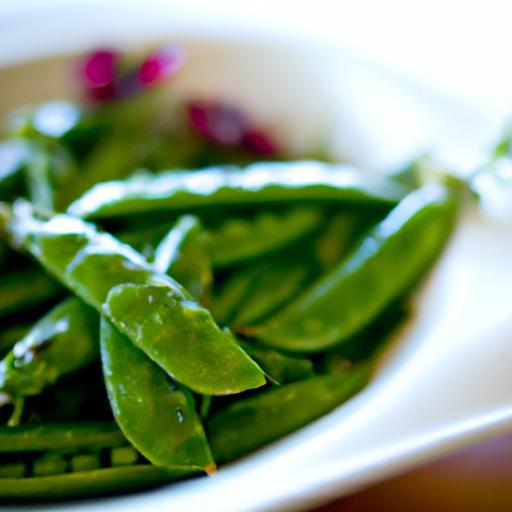
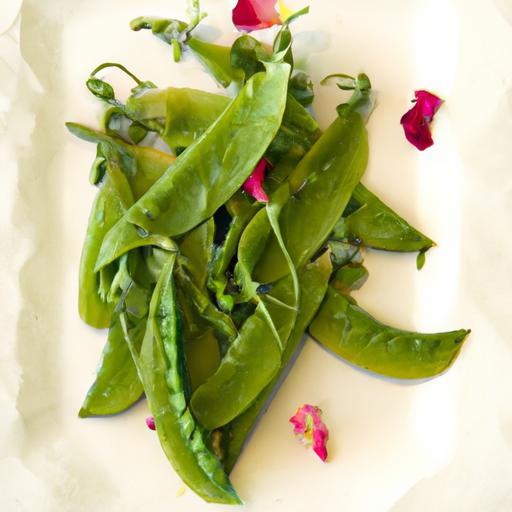
These vibrant snow peas become a sensational side for grilled chicken or tofu, adding a crisp, garden-fresh texture. Incorporate them into Asian-inspired noodle bowls or toss with quinoa salads punctuated by roasted nuts and citrus segments. They also bring a fresh pop into spring rolls or as an elegant garnish for creamy soups. To elevate presentation, pile snow peas on a white porcelain plate, topped with a sprinkle of toasted sesame seeds and a few edible flowers for a stunning botanical touch.
| Nutrient | Amount per Serving |
|---|---|
| Calories | 75 |
| Protein | 4g |
| Carbohydrates | 9g |
| Fat | 4g |

explore more on leafy green vegetables and their garden-to-table magic in our Garden Fresh Leafy Greens Guide. For detailed insights on legume nutrition and sustainable cultivation, visit the Food and Agriculture Institution (FAO).
Q&A
Q&A: Snow Peas Unveiled: Crisp Secrets of a Garden Favorite
Q: What exactly are snow peas, and how do they differ from other peas?
A: Snow peas are a variety of edible-pod peas known for their flat, slender pods and sweet, tender flavor. Unlike garden peas, where you typically eat only the seeds inside, snow peas are enjoyed pod and all.Their subtle sweetness and crisp texture make them a refreshing addition to manny dishes.
Q: Where did snow peas originally come from?
A: Snow peas have a long history in Asian cuisine, particularly in China, where they have been cultivated for thousands of years. Their popularity as a fresh vegetable spread globally thanks to their delightful crunch and versatility.
Q: What gardening tips help snow peas thrive?
A: Snow peas love cool weather and crisp air. Plant them early in spring or late summer for a fall harvest. They prefer well-drained soil rich in organic matter and benefit from a trellis or support as their vines like to climb. Regular watering and full sun will encourage sweet, tender pods.
Q: How can you tell when snow peas are ready to harvest?
A: Harvest snow peas when the pods are still flat and the peas inside are just begining to develop. The pods should snap crisply without being tough or stringy. Picking them regularly encourages the plant to produce more pods throughout the growing season.
Q: What nutritional benefits do snow peas offer?
A: Snow peas are a low-calorie powerhouse packed with vitamins C and K, dietary fiber, and antioxidants. Their natural sweetness comes with a bounty of nutrients that support immune health, digestion, and overall vitality.
Q: How are snow peas best prepared to maintain their crunch and flavor?
A: For maximum crispness, snow peas are frequently enough quickly stir-fried, steamed, or eaten raw in salads. Blanching them briefly in boiling water before tossing into dishes preserves their vibrant color and snap. Avoid overcooking to keep their delightful texture intact.
Q: What unique culinary twists showcase snow peas beyond stir-fries?
A: Snow peas bring a lovely crunch to grain bowls, fresh spring rolls, and chilled noodle salads. They pair beautifully with bright citrus dressings, toasted sesame seeds, and fresh herbs like mint and cilantro. Try them julienned in a cold slaw or tossed with roasted nuts for a snack full of texture.
Q: Are snow peas suitable for home gardeners with limited space?
A: Absolutely! Snow peas are a great option for containers or small garden plots. Their climbing habit means they grow vertically, saving ground space. Plus, watching those delicate pods develop is a rewarding treat for any gardener.
Q: Can snow peas be stored for long periods?
A: To enjoy their peak freshness, store snow peas in a perforated plastic bag in the refrigerator’s crisp drawer for up to a week. For longer storage, blanching and freezing them preserves flavor and texture, ready to add a burst of garden-fresh crispness to winter meals.
Q: What common mistakes should gardeners avoid when growing snow peas?
A: Avoid planting snow peas once soil temperatures climb too high, as warm soil can reduce germination and lead to tough pods.Also, overwatering or poor drainage can cause root rot. Ensure good airflow around plants to minimize pests and fungal issues, and pick pods promptly to keep vines productive.
With their delicate crunch and sweet charm, snow peas continue to captivate gardeners and cooks alike. Embrace these crisp secrets, and turn your garden or kitchen into a haven of fresh, green delight!
The Conclusion
As the vibrant snow pea vine twists its way through garden trellises and dinner plates alike, it reveals more than just a crisp, sweet bite-it offers a story rooted in cultivation, culture, and culinary creativity.By understanding the secrets behind this garden favorite, from its delicate pod structure to its nutritional charm, we not only deepen our appreciation but also inspire a newfound enthusiasm to grow and savor these emerald gems. So next time you bite into a snow pea’s refreshing crunch, remember: you’re tasting a living legacy of nature’s ingenuity and a timeless invitation to explore the garden’s quiet wonders.