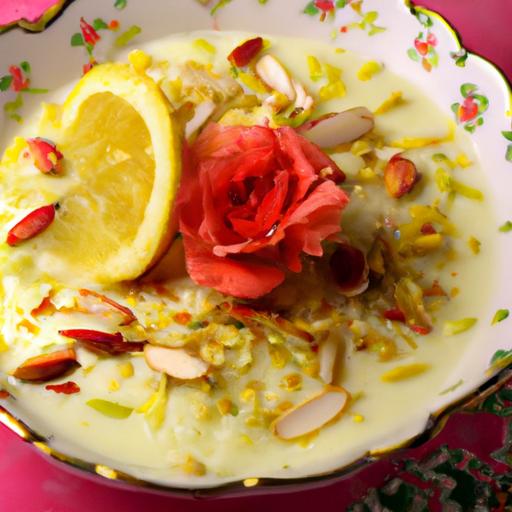

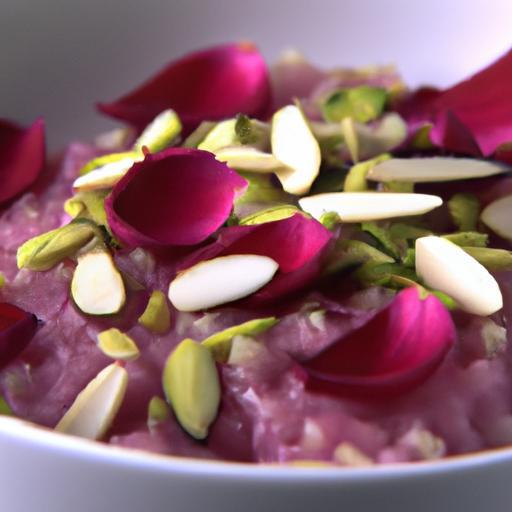
in the realm of desserts, few treats invite the senses quite like Persian Rosewater & Pistachio Rice Pudding. This fragrant delight,steeped in centuries of tradition,marries the delicate floral aroma of rosewater with the rich,nutty crunch of pistachios,creating a symphony of flavors that is both soothing and exotic. More than just a sweet finale, this pudding tells a story of Persian hospitality, artistry, and the timeless allure of simple ingredients transformed through care and culture. Join us as we explore the origins, unique characteristics, and irresistible charm of this beloved dessert that continues to enchant palates around the world.
Persian Rosewater & pistachio Rice Pudding beautifully weaves together the intoxicating aroma of delicate rosewater and the rich, nutty crunch of pistachios into a dessert that’s both timeless and irresistible. Rooted in centuries of Persian culinary tradition, this dish offers a creamy texture heightened by subtle floral notes, creating a sensory experience that goes beyond mere sweetness.
Prep and Cook Time
- Preparation: 15 minutes
- Cooking: 45 minutes
- Total Time: 1 hour
Yield
Serves 6 generous portions
Difficulty Level
medium – ideal for home cooks seeking to explore customary Persian flavors with ease
Ingredients
- 1 cup jasmine or short-grain rice, rinsed thoroughly
- 4 cups whole milk (for extra creaminess)
- 1 cup granulated sugar
- 3 tbsp unsalted butter
- 2 tbsp Persian rosewater (adjust to taste)
- 1/2 tsp ground cardamom
- 1/4 cup shelled pistachios, coarsely chopped
- 1/4 cup slivered almonds (optional, for added texture)
- Pinch of salt
Instructions
- Prepare the rice: Soak the rinsed rice in cold water for 30 minutes to soften the grains, then drain thoroughly.
- Cook the rice: In a heavy-bottomed saucepan, bring 4 cups of whole milk to a gentle simmer over medium heat. Add the soaked rice and a pinch of salt. Stir frequently to prevent sticking and cook for about 35-40 minutes, until the rice is fully tender and the mixture thickens to a creamy consistency.
- Add sugar and butter: Stir in the granulated sugar and unsalted butter. Continue cooking on low heat for 5 minutes, stirring constantly, allowing the sugar to dissolve wholly and the pudding to thicken further.
- incorporate flavors: Remove from heat and gently stir in the ground cardamom and Persian rosewater. Be mindful with the rosewater – start with 2 tablespoons, then taste and adjust if you prefer a stronger floral fragrance.
- Toast the pistachios: In a dry skillet, lightly toast the coarsely chopped pistachios (and slivered almonds if using) over medium heat until fragrant and golden brown, about 3 minutes.Stir constantly to avoid burning.
- Combine and chill: Fold half of the toasted pistachios into the pudding, reserving the rest for garnish. Transfer the pudding into serving bowls or a large dish. Cover with plastic wrap directly on the surface to prevent skin formation, and refrigerate for at least 2 hours to deepen flavors and allow chilling.
- serve with flair: Before serving,sprinkle the remaining pistachios on top and optionally drizzle a few drops of rosewater for an extra aromatic boost.
Tips for Success
- Rice choice: Using jasmine or short-grain rice helps achieve the ideal creamy texture without becoming mushy.
- Milk alternatives: For a richer pudding, substitute up to half of the whole milk with evaporated milk, but avoid plant-based milks as thay alter the flavor and texture considerably.
- Balancing rosewater: Rosewater is potent; add gradually. A little goes a long way to avoid overpowering the dessert.
- Make ahead: This pudding tastes even better the next day as flavors meld beautifully. Store covered and chilled up to 3 days.
- Vegan variation: Substitute dairy milk and butter with coconut milk and vegan margarine,adjusting sweetness accordingly.
- Prevent sticking: Stir frequently during cooking to ensure the rice doesn’t cling or burn to the pan.
Serving Suggestions
Present the pudding chilled in clear glass bowls to highlight the creamy texture contrasted with vivid green pistachios.Garnish with a light dusting of crushed dried rose petals or a sprinkle of cinnamon for an elegant touch. Pair it with lightly brewed saffron tea or cardamom-spiced black tea to complement the fragrant sweetness. For a festive occasion, offer alongside fresh pomegranate arils or a dollop of thick Persian yogurt sweetened with a drizzle of honey.
| nutrition (per serving) | Calories | Protein | Carbs | Fat |
|---|---|---|---|---|
| Persian Rosewater & Pistachio Rice Pudding | 290 kcal | 6 g | 45 g | 7 g |

For those craving a deeper dive into Persian desserts, explore our Persian Saffron Cake recipe for a complementary flavor profile.To understand more about the aromatic properties of rosewater and its culinary benefits, visit the Wellness.com rosewater guide.
Q&A
Q&A: Persian Rosewater & Pistachio Rice Pudding: A Fragrant Delight
Q1: What makes Persian rosewater and pistachio rice pudding unique compared to other rice puddings?
A1: Persian rosewater and pistachio rice pudding stands out thanks to its fragrant floral essence and nutty crunch. the delicate aroma of rosewater elevates the creamy rice base to a sensory experience, while the finely chopped pistachios add a pleasant texture and a burst of flavor, making this dessert both exotic and comforting.
Q2: Can you describe the main ingredients used in this rice pudding?
A2: The key ingredients include short-grain rice for a soft, creamy texture; whole milk or a dairy alternative; sugar for sweetness; rosewater to infuse a subtle floral note; and pistachios for garnish and crunch. A touch of cardamom or saffron is frequently enough added to deepen the complexity of flavors,reflecting traditional Persian tastes.
Q3: How is rosewater incorporated into the pudding without overpowering the dish?
A3: Rosewater is used sparingly-usually added towards the end of cooking or at the moment when the pudding is cooling. This careful timing preserves its delicate fragrance, allowing it to gently perfume the pudding rather than dominating the palate. The subtlety is key to balancing rosewater’s floral intensity.
Q4: What is the cultural significance of rosewater and pistachios in Persian cuisine?
A4: Rosewater holds a special place in Persian culinary traditions, symbolizing purity and beauty. It is used frequently in desserts and drinks to add aroma and celebration to meals. Pistachios, prized for their rich flavor and vibrant green colour, are a symbol of hospitality and luxury, frequently enough used in Persian sweets to convey care and richness.
Q5: How can one achieve the perfect creamy consistency in this rice pudding?
A5: Achieving that luscious creaminess involves slowly cooking the rice in milk over low heat, allowing it to absorb liquid gradually without sticking or burning. Stirring consistently and patiently is crucial. Using short-grain rice or even pudding rice varieties helps the grains break down just enough to create a velvety base without losing their form.Q6: Is this dessert suitable for special occasions or everyday enjoyment?
A6: Absolutely! Persian rosewater and pistachio rice pudding is both versatile and elegant. It’s light enough to enjoy as a refreshing end to a family meal but also refined enough to serve during festive gatherings, weddings, or cultural celebrations, were delicately scented sweets take center stage.
Q7: Are there simple variations for those wanting to personalize the recipe?
A7: Yes, the recipe is wonderfully adaptable. Some prefer to add a pinch of ground cinnamon or nutmeg for warmth, while others might incorporate a splash of orange blossom water alongside rosewater for a citrus twist. For extra texture, toasted pistachios or even slivered almonds can be sprinkled on top right before serving.
Q8: Can this pudding be made vegan or dairy-free?
A8: Certainly! Substitute traditional cow’s milk with almond, coconut, or oat milk to create a rich plant-based version. Ensure the chosen milk has enough creaminess to replicate the traditional texture, and adjust the cooking time slightly as plant milks behave differently than dairy when simmered.
Q9: How should one serve Persian rosewater and pistachio rice pudding?
A9: This pudding is best served chilled or at room temperature, frequently enough presented in decorative bowls or glass cups. Garnishing with crushed pistachios, a light dusting of powdered sugar or edible rose petals adds a visual flourish that complements its fragrant and nutty profile.
Q10: What’s the best way to store leftovers?
A10: Store the pudding in an airtight container in the refrigerator for up to 3 days.As it cools, the pudding may thicken; simply stir in a splash of milk or water before serving to restore its creamy texture.Reheating gently over low heat helps revive the flavors without compromising the pudding’s delicate aroma.
Insights and conclusions
In the delicate folds of Persian cuisine, rosewater and pistachio rice pudding stands out as more than just a dessert-it is a fragrant journey through centuries of tradition and flavor. This sumptuous delicacy, with its subtly perfumed rosewater and the satisfying crunch of emerald pistachios, invites us to savor not only its sweet richness but also the cultural stories it carries. Whether enjoyed on festive occasions or as a comforting treat, this radiant pudding reminds us how simple ingredients, when lovingly combined, can create an experience both timeless and enchanting. So next time you crave a touch of elegance, let Persian rosewater and pistachio rice pudding transport your senses to a land where every bite is a fragrant delight.