
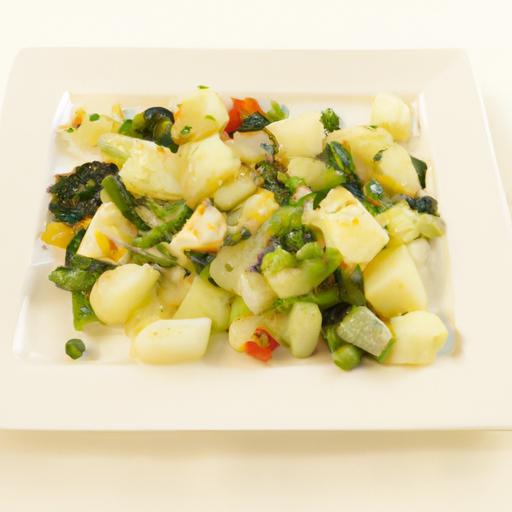
In the realm of cooking, frozen vegetables frequently enough get a bad rap-seen as the dull, uninspired backup to their fresh counterparts. yet, behind their frosty facades lies a hidden potential waiting to be unleashed. Enter the art of roasting frozen vegetables, a transformative technique that elevates humble, chilled greens and roots into vibrant, flavor-packed delights. This isn’t just about convenience; it’s about unlocking layers of caramelized sweetness,smoky depth,and satisfying textures that redefine what frozen produce can be. Join us as we explore the secrets and science behind roasting frozen vegetables, turning everyday pantry staples into culinary showstoppers.
Unlocking flavor thru the art of roasted frozen vegetables unlocks a surprisingly vibrant world of taste and texture that many home cooks overlook. Far from being a mere convenience, frozen vegetables can deliver crisp edges and tender interiors that rival fresh counterparts when roasted with care. This transformation hinges on a confluence of science, ingredient selection, and technique-each element enhancing the natural sweetness and depth locked within these humble ingredients.
Choosing the Best Frozen vegetables for Maximum Flavor and Texture
Understanding wich frozen vegetables perform best matters immensely when unlocking flavor. Varieties like broccoli florets, brussels sprouts, carrot sticks, cauliflower, and green beans have a sturdy cellular structure that withstands freezing and roasting gracefully. When selecting, opt for vegetables without added sauces or seasonings-this preserves full control over your seasoning blend and texture outcome. Look for vibrant colors and avoid clumping in the packaging, as clumps can lead to uneven cooking.
Prep and Cook Time
- readiness Time: 10 minutes
- Cook Time: 30-35 minutes
yield
Serves 4 as a side dish
Difficulty Level
Easy
Ingredients
- 4 cups frozen broccoli florets, thawed and patted dry
- 2 cups frozen brussels sprouts halves, thawed and patted dry
- 3 tbsp extra virgin olive oil
- 1 tsp kosher salt
- ½ tsp freshly ground black pepper
- 1 tsp smoked paprika
- 1 tsp garlic powder
- 1 tbsp fresh lemon juice (optional)
- 1 tbsp chopped fresh parsley, for garnish
Instructions
- Preheat your oven to 425°F (220°C) and line a large baking sheet with parchment paper. This high temperature encourages both caramelization and crispy edges.
- Thaw and dry your frozen vegetables thoroughly using paper towels. Excess moisture will steam the veggies rather of roasting them, preventing that coveted crispness.
- Combine the olive oil and seasonings-salt, pepper, smoked paprika, and garlic powder-in a large bowl. Whisk together until well mixed.
- Toss the vegetables in the oil and seasoning mixture until each piece is lightly coated. Be gentle to maintain shape but thorough enough to cover every surface.
- Spread the veggies in a single layer on the baking sheet, making sure there’s space between pieces.Crowding causes steaming and sogginess.
- Roast for 30-35 minutes, flipping the vegetables halfway through (around 15 minutes).Watch as edges darken and develop that golden-to-amber hue-this Maillard reaction is key to flavor depth.
- Remove from the oven and immediately drizzle with fresh lemon juice to add a luminous contrast to the smoky notes.
- Transfer to a serving dish and garnish with freshly chopped parsley for a pop of color and freshness.
Chef’s Notes: Tips for Success
- Don’t skip drying: This cannot be overstated-moisture is the enemy of crisp texture. Even a minute extra patting can make all the difference.
- Timing matters: Keep an eye on your oven. Depending on your particular vegetables and how thawed they are, roasting time may fluctuate.
- Try different fats: For variation, substitute olive oil with avocado oil or a light drizzle of toasted sesame oil for a nutty aroma.
- Creative seasoning blends: Swap smoked paprika for curry powder and add a sprinkle of cumin for exotic flair, or toss with dried Italian herbs and a pinch of red chili flakes for heat.
- Make-ahead: Roast vegetables can be refrigerated for up to 3 days and reheated in a hot oven to reclaim crispiness.
Creative Seasoning Blends to Elevate Your Roasted Vegetable Dishes
Think beyond salt and pepper-layer on complexity with these inspiring blends. For a Mediterranean twist, combine dried oregano, lemon zest, and crushed fennel seeds. Alternatively, for a smoky-spicy punch, use chipotle chili powder, smoked paprika, and a touch of cumin. Herbaceous profiles shine with fresh thyme and rosemary tossed in before roasting, while an Asian-inspired version calls for a drizzle of tamari, grated ginger, and a sprinkle of toasted sesame seeds after roasting.
Serving Suggestions
Serve hot from the oven atop a bed of steamed quinoa or fluffy couscous, letting the juices mingle and keep the grains moist. Garnish with a spoonful of creamy hummus or a dollop of tangy Greek yogurt. To finish, scatter toasted pine nuts or pepitas for textural contrast. This dish pairs excellently with grilled chicken or chickpeas, adding a hearty balance to your meal.
| nutrient | Per Serving |
|---|---|
| Calories | 120 |
| Protein | 5g |
| Carbohydrates | 15g |
| Fat | 7g |

For further exploration of vegetable roasting science, visit Science Daily’s food chemistry section. Also, discover more vegetable roasting techniques in our detailed guide on Mastering Roasted Vegetables Anytime.
Q&A
Q&A: Unlocking Flavor – the Art of Roasted Frozen Vegetables
Q1: Why choose frozen vegetables for roasting instead of fresh ones?
A1: Frozen vegetables come to the rescue as convenient, nutrient-packed options that are harvested and flash-frozen at peak ripeness. This process locks in their vibrant flavors and textures until you’re ready to cook. Roasting frozen veggies transforms them into crispy, caramelized delights without the need for peeling or chopping-making kitchen magic faster and fuss-free.Q2: Can you roast frozen vegetables directly from the freezer, or should they be thawed first?
A2: The beauty of roasting frozen vegetables lies in their no-thaw-needed approach. Toss them straight from the freezer onto a hot baking sheet,and the oven’s dry heat coaxes out sweetness while achieving golden,crispy edges. Thawing can make them soggy and less likely to roast properly.
Q3: What temperature and cooking time work best for roasting frozen vegetables?
A3: Aim for a high heat-around 425°F (220°C)-to encourage caramelization and crispiness. Cooking times vary by vegetable but generally hover between 20 to 30 minutes. Be sure to toss them halfway through to promote even roasting and irresistible browning.
Q4: How do you prevent frozen vegetables from becoming mushy during roasting?
A4: Key tricks include spreading the veggies in a single layer to avoid overcrowding, which traps steam and leads to sogginess. A light drizzle of oil helps create a crispy exterior, and using a sturdy, rimmed baking sheet encourages airflow and even roasting.
Q5: What are some seasoning ideas to elevate the flavor of roasted frozen vegetables?
A5: Simplicity shines here: sea salt, freshly cracked black pepper, and a dash of garlic powder set a flavorful foundation. For a twist, try smoked paprika, cumin, or a sprinkle of dried herbs like thyme or rosemary. After roasting, a squeeze of lemon juice or a drizzle of balsamic glaze can brighten and balance the dish.
Q6: Are certain frozen vegetables better suited for roasting than others?
A6: Absolutely! Heartier vegetables like broccoli florets, cauliflower, Brussels sprouts, carrots, and green beans roast beautifully and develop deep, complex flavors. More delicate veggies like peas or spinach tend to do better sautéed or steamed since roasting can make them lose texture.
Q7: How does roasting enhance the nutritional value of frozen vegetables?
A7: While roasting doesn’t increase nutrients, it preserves more vitamins and minerals than boiling-and brings out hidden natural sugars through caramelization, boosting their delicious appeal. Using minimal oil keeps the dish healthy without sacrificing taste.
Q8: Can roasted frozen vegetables be used in dishes beyond side servings?
A8: Definitely! Think roasted vegetable grain bowls, tossed into pasta, blended into warm purees or dips, or folded into omelets and frittatas. Roasted frozen vegetables add vibrant color, texture, and flavor wherever you want a nutritious boost.
Q9: What’s the best way to store and reheat leftover roasted frozen vegetables?
A9: Store leftovers in an airtight container in the fridge for up to 3 days. To revive their crispiness, reheat them in a hot oven or air fryer for a few minutes rather than microwaving, which can soften them.
Q10: Any final tips for mastering the art of roasting frozen vegetables?
A10: Embrace patience and the power of high heat. Don’t be afraid to experiment with seasonings and combinations. And above all, remember that frozen vegetables are your flavorful, time-saving allies-ready to transform weeknight meals into something spectacular with just a sheet pan and an oven.
The Conclusion
as the humble frozen vegetable sheds its frostbitten reputation, we discover that beneath its icy exterior lies a world of vibrant flavor waiting to be unlocked.Through the artful dance of roasting-where heat meets time and texture transforms-these once-overlooked pantry staples emerge gloriously caramelized, tender, and full of depth. So next time you reach for a bag from the freezer aisle, embrace the power of roasting and let your kitchen become a stage where frozen vegetables take their flavorful bow. In this simple yet transformative technique,the ordinary becomes remarkable,proving that true taste frequently enough lies just beyond the surface.