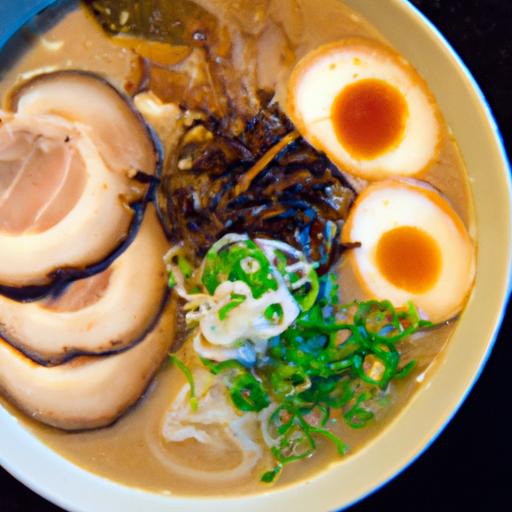

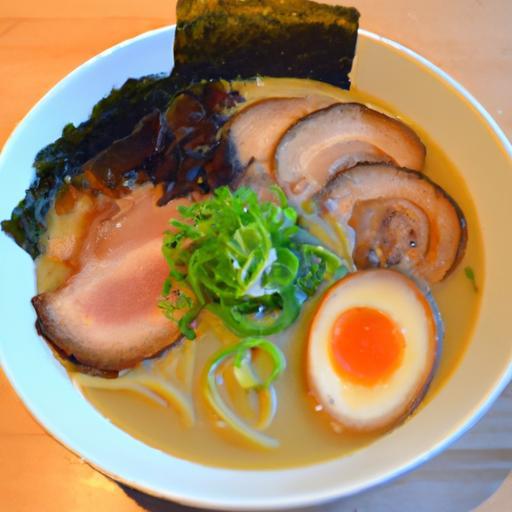
There’s something almost magical about a steaming bowl of ramen-the way the rich, savory broth envelops perfectly cooked noodles, crowned with tender slices of meat, vibrant vegetables, and a soft-boiled egg. Crafting the perfect ramen bowl is both an art and a science, a delicate balance of flavors and textures that has captivated taste buds around the world. Whether you’re a seasoned chef or a curious home cook,this step-by-step recipe guide will take you on a flavorful journey to create your own bowl of ramen glory from scratch. Get ready to unlock the secrets behind each component and bring the soulful essence of authentic ramen right into your kitchen.
Crafting the Perfect ramen Bowl: A Step-by-Step Recipe Guide
crafting the perfect ramen bowl is an art that marries deep tradition with personal creativity.This soul-warming Japanese classic originates from humble street food, evolving into a celebrated dish applauded worldwide for its complex layers of broth, handmade noodles, and harmoniously balanced toppings. Embarking on this journey unlocks not only culinary skills but a new appreciation for subtle umami, silky textures, and vibrant garnishes, each chosen to elevate the experience.
Prep and Cook Time
- Preparation: 30 minutes
- Cooking: 4 hours 15 minutes
- Total Time: 4 hours 45 minutes
Yield
Serves 4 hearty bowls
Difficulty Level
Advanced – Ideal for passionate home cooks with patience and a keen eye for detail.
Ingredients
- For the Broth:
- 4 quarts chicken stock (homemade or high-quality store-bought)
- 2 dried shiitake mushrooms, soaked until soft
- 1 piece kombu (kelp), about 4 inches
- 1 large onion, halved
- 1-inch piece fresh ginger, sliced
- 4 cloves garlic, smashed
- 2 tbsp soy sauce
- 1 tbsp mirin
- salt to taste
- For the Noodles:
- 2 cups all-purpose flour, sifted
- ½ cup water (lukewarm)
- 1 tsp baking soda (for alkalinity)
- ½ tsp fine sea salt
- For the Toppings:
- 2 soft-boiled eggs, marinated in soy and mirin (optional)
- 1 cup baby spinach, blanched
- ½ cup sliced scallions, green and white parts
- ½ cup bamboo shoots (menma), rinsed
- 1 sheet nori seaweed, cut into strips
- Sesame seeds for garnish
Instructions
- Master the Broth: In a large pot, combine chicken stock, soaked shiitake mushrooms, kombu, halved onion, ginger, and smashed garlic. Slowly bring to a gentle simmer over medium heat, skimming any impurities that rise to the surface.Let this develop rich umami for at least 3 hours. Remove kombu after 30 minutes to avoid bitterness.
- Season the Broth: Strain the broth through a fine sieve into a clean pot. Stir in soy sauce, mirin, and salt to taste. Keep warm on low heat while preparing noodles and toppings.
- Craft the Noodles: Mix the baking soda with lukewarm water until dissolved. In a bowl, combine flour and salt. Slowly pour the soda water mixture,stirring with chopsticks or a fork until the dough forms. Knead vigorously on a floured surface for 8-10 minutes until firm and smooth. Wrap dough in plastic wrap and rest for 30 minutes.
- Roll and Cut Noodles: Divide dough into two balls. Roll out each ball thinly, dusting with flour to prevent sticking. Fold and cut noodles into ⅛-inch strands. Toss with a little flour to separate.
- Cook Noodles: Bring a large pot of water to a rapid boil. Add noodles and cook for 2-3 minutes or until they float and have a chewy, springy texture. Drain and rinse briefly under cold water to stop cooking. Set aside.
- Prepare Toppings: While noodles cook, blanch spinach quickly in boiling water for 30 seconds. Slice scallions and arrange bamboo shoots, marinated eggs, and nori strips ready for serving.
- Assemble the Bowl: Divide hot broth evenly among four large deep bowls. Add a nest of fresh noodles to each. Artfully layer on the spinach, bamboo shoots, soft-boiled eggs (halved), scallions, and nori. Sprinkle sesame seeds on top for texture and aroma.
Tips for Success
- Broth Mastery: Patience is essential - simmering the broth low and slow unlocks its rich umami depths. Avoid boiling, as this can cloud the broth and dissipate delicate flavors.
- Noodle Texture: Incorporating baking soda lends the dough a slight alkalinity, crucial for chewy, authentic ramen noodles. Don’t skip resting the dough to relax gluten for easier rolling.
- flavor Balance: Taste as you season broth, soy, and salt-each adjustment crafts harmony, never overpowering.
- Make-Ahead: Broth and marinated eggs can be prepared up to 3 days in advance, allowing flavors to intensify.
- Substitutions: Use vegetable broth for a vegetarian version while maintaining deep umami by boosting dried mushrooms.
Serving Suggestions
present ramen bowls with a side of pickled ginger or a light cucumber salad to cut through the rich broth. For a splash of fresh brightness, a few drops of yuzu kosho or a sprinkle of chili threads create stunning visual and flavor contrasts. A bamboo mat underneath the bowl enhances the traditional Japanese ambiance, inviting diners to slow down and savor each comforting slurp.

| Nutrient | Per Serving |
|---|---|
| Calories | 450 |
| Protein | 28g |
| Carbohydrates | 55g |
| Fat | 12g |
Related Reading
Deepen your ramen expertise with our guide on Homemade Ramen Broth: Techniques to Elevate Flavor to elevate your cooking further.
For a respected external resource on the science of umami, visit The Umami Information Center.
Q&A
Q&A: Crafting the Perfect Ramen Bowl – A Step-by-Step Recipe Guide
Q1: What makes a ramen bowl truly stand out from the rest?
A1: The magic of ramen lies in the harmony between its components-the rich, flavorful broth, perfectly chewy noodles, vibrant toppings, and the balance of textures and tastes. When each element complements the other, you create a bowl that’s much more than the sum of its parts.
Q2: Which broth base should I start with for a classic yet vegan-friendly ramen?
A2: A vegetable-based dashi broth is a fantastic choice to keep it light but layered. Kombu (kelp) and dried shiitake mushrooms create a deep umami foundation, enhanced by aromatics like ginger, garlic, and scallions. This broth is both nutritious and packed with flavor.
Q3: How do I achieve that ideal noodle texture in my ramen?
A3: Cooking ramen noodles to al dente perfection is key.Boil them in ample water for just a couple of minutes until they’re springy with a slight chew. rinse briefly under cold water if you’re not serving immediately to stop the cooking and prevent sogginess.
Q4: What are some creative yet traditional toppings to elevate my ramen bowl?
A4: Think beyond the typical! Soft-boiled eggs marinated in soy and mirin, roasted corn, blanched spinach, bamboo shoots, nori sheets, toasted sesame seeds, and fresh scallions all add color and fresh bursts of flavor. For added texture, try crispy fried garlic or pickled ginger.
Q5: Any tips for layering flavors in the broth?
A5: Absolutely. Start with your base broth and than build complexity by simmering aromatics like garlic, ginger, and shallots. add miso paste or tamari for savory depth, and balance it with a touch of sweetness from mirin or a sprinkle of brown sugar. Taste as you go-layering is all about adjusting to your palate.
Q6: How can I make a ramen bowl that’s hearty but vegetarian?
A6: Use a rich mushroom broth base and pile on toppings like tofu cubes, sautéed kale, roasted pumpkin, and a poached egg. Adding a spoonful of noodle soup seasoning or miso paste can give that satisfying, savory edge without any animal products.
Q7: What’s the secret to the perfect soy-marinated egg?
A7: Soft boil your eggs for about 6-7 minutes, cool immediately in ice water, then peel carefully. Marinate them in a mixture of soy sauce, mirin, and a little sugar overnight. The egg whites absorb a lovely golden hue and savory flavor, while the yolk remains creamy.
Q8: Should the broth be served piping hot or slightly cooled?
A8: Ramen broth is best enjoyed piping hot to truly bring out its aromas and to warm the noodles just before serving.A steaming bowl invites you to savor every comforting slurp.
Q9: Can I prepare any components in advance?
A9: Yes! Broth flavors deepen when made ahead and reheated. Marinated eggs benefit from overnight soaking. Toppings like bamboo shoots or corn can be prepped early, making your final assembly quick and satisfying.
Q10: How do I present my ramen bowl like a pro?
A10: Place the noodles at the bottom, ladle the simmering broth gently around them, then artfully arrange toppings on top-nestle the egg halves, sprinkle scallions, place nori sheets standing tall. A splash of chili oil or sesame seeds adds a final flourish. The goal is to make the bowl both a feast for the eyes and the palate.
Embark on your ramen-making journey with these tips, and watch your humble ingredients transform into a bowl brimming with soul-soothing depth and delight!
Future Outlook
As you embark on your ramen-making journey, remember that crafting the perfect bowl is as much an art as it is a science-a delicate dance of flavors, textures, and patience. With each step, from simmering the broth to assembling the toppings, you’re not just cooking; you’re creating an experience that warms the soul and delights the senses. So gather your ingredients, embrace the process, and soon you’ll be savoring a steaming bowl of homemade ramen that tells a story in every slurp. Happy cooking, and may your next bowl be nothing short of perfection.