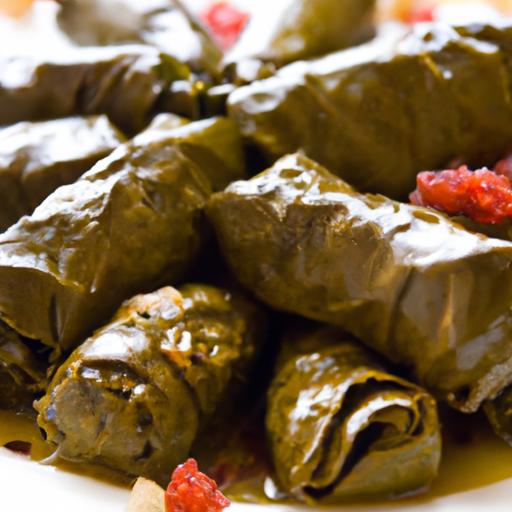

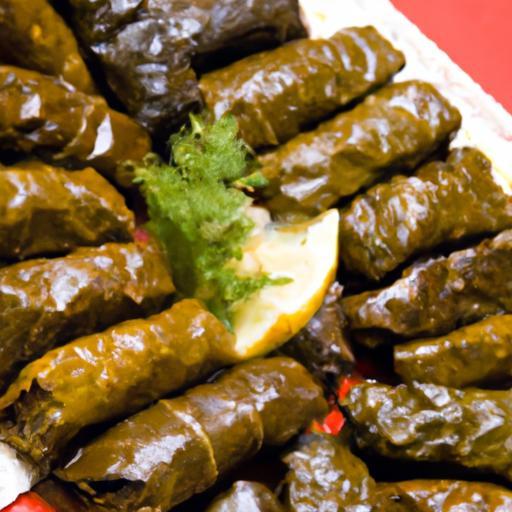
in the vibrant mosaic of Mediterranean cuisine, few dishes embody tradition and artistry quite like dolmades-those tender grape leaves lovingly wrapped around a savory treasure. “Dolmades Delight: The Art of Stuffed grape Leaves unveiled” invites you on a flavorful journey into the heart of this timeless delicacy. From ancient kitchens to modern tables, dolmades weave together stories of culture, patience, and culinary finesse. Join us as we unravel the secrets behind their delicate folds, explore regional variations, and celebrate the craftsmanship that transforms simple ingredients into a sublime experience. Whether you’re a curious foodie or a seasoned cook, prepare to discover the soulful essence behind every bite of stuffed grape leaves.
Dolmades Delight: The Art of Stuffed Grape Leaves Unveiled
Dolmades Delight brings to life an ancient culinary tradition cherished throughout the Mediterranean and Middle Eastern regions. These tender grape leaves, lovingly wrapped around a savory mixture of rice, herbs, and spices, carry centuries of history in each bite. My first taste was on a sunlit terrace in Athens, and since then, mastering the art of these stuffed grape leaves has been a joyful journey-one that any home cook can embrace.
Prep and Cook Time
- Readiness: 35 minutes
- Cooking: 50 minutes
- Total: 1 hour 25 minutes
Yield
approximately 30 dolmades – perfect for a small gathering or family dinner.
Difficulty Level
Medium: Requires patience and a gentle touch, but well within reach for enthusiastic home cooks.
Ingredients
- 1 jar (16 oz) grape leaves, rinsed and drained
- 1 cup long-grain rice, rinsed and soaked for 20 minutes
- 2 tablespoons olive oil, plus more for drizzling
- 1 medium onion, finely chopped
- 3 cloves garlic, minced
- 1/2 cup fresh dill, finely chopped
- 1/2 cup fresh parsley, finely chopped
- 1/4 cup fresh mint leaves, chopped (optional but recommended)
- Juice of 2 lemons
- 1 teaspoon ground allspice
- 1/4 teaspoon cinnamon
- Salt and freshly ground black pepper, to taste
- 2 cups vegetable broth
- Water, as needed for cooking
Step-by-Step Guide to Rolling and Cooking Dolmades Delight
- Prepare the filling: Heat 2 tablespoons of olive oil in a skillet over medium heat. Sauté the chopped onions until translucent and soft, about 5 minutes. Add the garlic and cook for another minute until fragrant.
- Combine rice and herbs: In a large bowl,mix the soaked and drained rice with cooked onions and garlic. Stir in chopped dill, parsley, mint, allspice, cinnamon, salt, and pepper.Add the lemon juice and toss everything together until well combined.
- Prepare grape leaves: Lay a grape leaf flat, vein side up, trimming any thick stems. Place about 1 tablespoon of filling near the base of the leaf,close to the stem.
- Roll dolmades: Fold the sides of the leaf over the filling, then roll tightly from the base upward to form a neat cylinder, about 1 inch in diameter. Aim for uniform size to ensure even cooking.
- Layer in the pot: Line the bottom of a heavy pot with unused grape leaves (to prevent sticking). Place dolmades snugly in layers, seam side down. This helps them cook evenly and prevents unrolling.
- Add liquid and cook: Pour vegetable broth and an additional 1/2 cup of water over dolmades until just covered. Drizzle a tablespoon of olive oil on top. Place a heatproof plate on top to keep them submerged.
- Simmer gently: Cover pot and simmer on low heat for 45-50 minutes until rice is tender and leaves are soft but intact. Avoid boiling to keep the dolmades from falling apart.
- Rest and serve: Remove from heat and let dolmades rest for 10 minutes before serving,allowing flavors to meld beautifully.
Mastering the Perfect Filling: Ingredients and Techniques
The heart of Dolmades Delight is its filling. Balancing fresh herbs with the warm notes of allspice and cinnamon creates a depth of flavor that defines this dish. Opt for fresh, fragrant herbs-parsley lends brightness, dill adds distinctive earthiness, and mint introduces a surprisingly fresh lift. Using long-grain rice with a light texture ensures the filling remains fluffy, never mushy. Sautéing the onion thoroughly brings a subtle sweetness and soft texture, making the rice mixture harmonious.
When mixing, be gentle but thorough-each grain of rice should be coated with olive oil and lemon juice to infuse moisture and brightness. The key technique is soaking the rice beforehand to reduce cooking time and promote tenderness inside the wrapped leaves.
Tips for Success
- Use fresh grape leaves if available-blanched will roll more pliably and taste brighter.
- Keep your fingers wet when rolling to prevent sticking and tearing the delicate leaves.
- If the filling tastes slightly under-seasoned before cooking, remember it will intensify inside the dolmades.
- Cover cooking pot tightly to keep steam trapped, ensuring even cooking without drying.
- For a vegetarian version, skip any meat additions and boost herbs and seasoning rather.
- Make ahead: Dolmades Delight can be prepared a day in advance. Store covered in the refrigerator; flavors improve after resting overnight.
Pairing and serving Suggestions to Elevate Your Dolmades Delight Experience
Presentation adds magic to enjoying Dolmades Delight. Serve these verdant parcels on a large platter garnished with thin lemon wedges and fresh mint sprigs to enhance freshness. A dollop of rich, tangy Greek yogurt or labneh offers a creamy counterpoint, while a drizzle of good-quality extra virgin olive oil lends silkiness.
Accompany the dish with a crisp cucumber and tomato salad dressed simply with lemon juice and olive oil to balance the dense filling. For a true Mediterranean feast vibe, add pita bread and a bowl of mixed olives.

Nutritional Facts
| Per serving (2 Dolmades) | Calories | Protein (g) | Carbs (g) | Fat (g) |
|---|---|---|---|---|
| 110 | 3.2 | 18.5 | 3.8 |
For a deeper dive into Mediterranean dishes that complement Dolmades Delight, explore our article on fresh Mediterranean salads. To appreciate the rich cultural backdrop, the Encyclopedia Britannica’s entry on Dolmades provides an excellent external resource.
Q&A
Q&A: Dolmades Delight – The Art of Stuffed Grape Leaves Unveiled
Q1: What exactly are dolmades,and where do they come from?
A1: Dolmades are a beloved culinary treasure consisting of tender grape leaves wrapped around a savory filling,often rice mixed with fresh herbs and occasionally vegetables or nuts. Originating in the Eastern Mediterranean and Middle Eastern regions, they have become a symbol of shared heritage and communal feasting across cultures such as Greek, Turkish, and Lebanese cuisines.
Q2: Why are grape leaves chosen as the perfect wrapper for dolmades?
A2: Grape leaves offer a unique combination of pliability and subtle tartness that beautifully complements the fillings inside.When cooked, they soften just enough to encase the savory mixture while imparting a delicate, earthy flavor that balances the herbs and spices. their natural texture helps keep the dolmades intact during the slow cooking process, allowing the flavors to meld perfectly.
Q3: What are the classic ingredients found in dolmades fillings?
A3: Traditionally, dolmades feature a filling of long-grain rice infused with aromatics like onions, garlic, fresh dill, mint, and parsley. Additional layers of flavor come from pine nuts or currants,lending texture and sweetness. Lemons frequently enough play a starring role, with their juice adding a refreshing brightness that cuts through the richness of the dish.
Q4: How do cooking methods influence the taste and texture of dolmades?
A4: cooking dolmades is an art form-whether simmered gently in a pot with a lemony broth or baked slowly to allow flavors to deepen,the method affects the final bite. Slow cooking ensures the rice inside is tender and fully infused with the aromatic herbs, while also softening the grape leaves without becoming mushy. resting the dolmades after cooking lets the flavors harmonize and the texture become tender yet cohesive.
Q5: Can dolmades be customized for different dietary preferences?
A5: Absolutely! Dolmades are wonderfully versatile. While the classic vegetarian filling is a harmony of rice and herbs, variations can include ingredients like lentils, chickpeas, or quinoa for added protein and texture. For those seeking a heartier bite, sautéed mushrooms or chopped vegetables can enrich the filling, ensuring that everyone can savor this culinary gem regardless of dietary choice.
Q6: What makes dolmades more than just a dish on the plate?
A6: Beyond their delightful taste, dolmades carry cultural importance and memories of communal gatherings. The process of rolling the grape leaves is frequently enough a shared ritual,connecting families and friends through tradition. Each bite tells a story of heritage, craftsmanship, and the simple joy of coming together to create and enjoy something delicious.
Q7: How can one serve dolmades for an impressive presentation?
A7: Dolmades shine when arranged thoughtfully-a neat spiral on a serving platter, garnished with fresh lemon wedges and a sprinkle of chopped herbs such as parsley or dill.Pair them with cooling accompaniments like tzatziki or a yogurt-based dip infused with garlic and cucumber. This elevates the visual appeal and adds creamy contrasts to the zesty grape leaves.
Q8: Are there seasonal or regional twists to dolmades?
A8: Yes! In some regions, early spring offers fresh grape leaves that are milder and more tender, perfect for rolling. Seasonal herbs or spices may vary, from cinnamon hints in Middle Eastern versions to oregano in Greek varieties. Some areas embrace unique fillings like wild greens or saffron, showcasing the adaptability and deeply rooted local flavors within the dolmades tradition.
Q9: What tips would you give to a beginner wanting to master dolmades at home?
A9: Start by selecting fresh grape leaves, rinsed well to remove brine and softened by blanching if needed. Keep the filling compact but not too dense-enough to hold shape without tearing leaves during rolling. Take your time rolling each dolma tight and uniform for even cooking. lastly, cook them gently, layering them snugly in the pot with a plate on top to keep them from unraveling. Patience and practice turn dolmades-making into a rewarding kitchen adventure.
Q10: How does making dolmades connect us to broader food traditions?
A10: Dolmades embody the essence of Mediterranean and Middle Eastern hospitality-respect for simple, fresh ingredients, festivity of seasonal bounty, and the joy of sharing. They invite us to slow down, honor tradition, and appreciate how food weaves together history, culture, and community in every tenderly rolled leaf.
Wrapping Up
As we’ve unraveled the layers of Dolmades Delight, it becomes clear that these humble stuffed grape leaves are much more than just a dish-they are a vibrant tapestry of history, culture, and culinary artistry rolled into each bite. Whether lovingly prepared in a sun-dappled Mediterranean kitchen or rediscovered in your own home, mastering the art of dolmades invites you to savor a tradition that has spanned centuries and borders. so next time you wrap those tender grape leaves around fragrant rice and herbs, remember: you’re not just making a meal-you’re joining a timeless celebration of flavor, patience, and heritage.