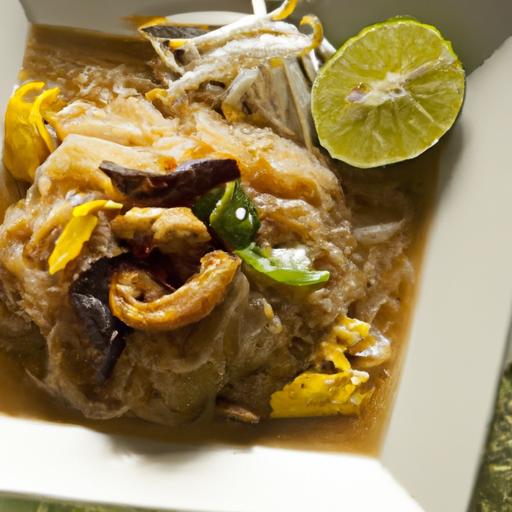

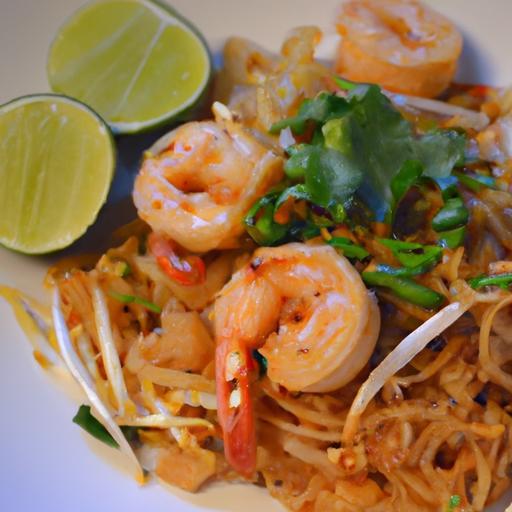
In the bustling streets of Thailand,where vibrant markets hum with life and aromatic scents dance in the air,a culinary treasure awaits in every steamy bowl: Thai noodles. More than just a dish, these noodles are a gateway to a world of bold flavors, rich traditions, and time-honored secrets passed down through generations. “Slurping Secrets: Exploring the World of Thai Noodles Delight” invites you on a flavorful journey beyond the surface, uncovering the artistry behind the perfect noodle texture, the balance of sweet, sour, salty, and spicy, and the stories that make each bite a party of Thai culture. Prepare your senses for an exploration that will transform simple strands of noodles into a symphony of taste and tradition.
Slurping Secrets come alive when diving into the vibrant world of Thai noodles, where every bowl tells a story steeped in history, culture, and an irresistible blend of flavors. Thai noodle dishes have their roots in centuries of culinary evolution, drawing influences from Chinese immigrants and local Thai traditions that shaped their unique aroma, texture, and taste. From the bustling street stalls of Bangkok to the quiet villages in the north, mastering thai noodles is an invitation to savor a rich heritage wrapped in every slurp.
Prep and cook Time
Preparation: 20 minutes | Cooking: 15 minutes | Total: 35 minutes
Yield
Serves 4 hearty portions
Difficulty Level
Medium – ideal for both ambitious home cooks and noodle enthusiasts eager to refine their techniques.
Ingredients
- 200g rice noodles (soaked in warm water for 30 minutes)
- 2 tbsp vegetable oil
- 3 cloves garlic, finely chopped
- 1 small onion, sliced thinly
- 150g chicken breast, sliced thinly
- 100g firm tofu, cubed
- 2 eggs, lightly beaten
- 3 tbsp tamarind paste
- 2 tbsp fish sauce
- 1 tbsp palm sugar, shaved or chopped
- 1 cup bean sprouts, washed and drained
- 3 spring onions, cut into 1-inch pieces
- 1 lime, cut into wedges
- Fresh coriander leaves, for garnish
- Crushed peanuts, for sprinkling
- Red chili flakes (optional, for heat)
Instructions
- Prepare the noodles: soak rice noodles in warm water for 30 minutes to soften but not fully cook. Drain well before use for ideal texture.
- Heat the wok or skillet: Add vegetable oil over medium-high heat, ensuring it’s hot enough before adding aromatics.
- Sauté the garlic and onion: Cook until fragrant and golden, about 2-3 minutes, stirring constantly to prevent burning.
- add chicken strips and tofu: Stir-fry until the chicken is cooked through and tofu is slightly crisp, approximately 5 minutes.
- Push ingredients to one side: Pour beaten eggs into the empty side of the wok and scramble softly until just set.
- Add drained noodles: Toss gently with all ingredients.
- Mix sauce: Stir in tamarind paste, fish sauce, and palm sugar. Combine thoroughly, letting noodles absorb the complex sweet-sour-salty flavors. Cook for another 3 minutes.
- Add bean sprouts and spring onions: Toss quickly to retain their crunch and freshness.
- Final touches: Remove from heat and transfer to serving plates.
- Garnish and serve: Sprinkle crushed peanuts, fresh coriander, and chili flakes. Serve with lime wedges to squeeze over just before eating.
Chef’s Notes: Tips for Success
- Rice noodle selection: Opt for a medium-width variety; thinner noodles may overcook quickly, while thicker ones take longer to soften.
- Balancing flavors: The magic lies in the balance of tangy tamarind, salty fish sauce, and sweet palm sugar – adjust to taste before tossing with noodles.
- Protein flexibility: Swap chicken for shrimp or tofu for a vegetarian version that still bursts with umami.
- Prepping ahead: Soak noodles in advance and refrigerate; gently separate before cooking to avoid sticking.
- Stir-frying technique: Keep the wok or pan hot and ingredients moving constantly to develop texture without sogginess.
Serving Suggestions
Present this dish in shallow bowls to showcase the colorful layers and encourage the time-honored slurping technique that unlocks the full sensory experience. A side of fresh lettuce leaves or Thai basil can add an herbaceous lift.Don’t forget the lime wedges-squeezing fresh lime right before each bite invigorates flavors and adds brightness. Pair with a refreshing iced Thai tea or jasmine iced tea for a perfect flavor contrast. For an authentic Thai street food ambiance, serve with small bowls of extra crushed peanuts, chili flakes, and sugar-the ultimate flavor enhancers.
| Nutrient | Per Serving (Approx.) |
|---|---|
| Calories | 420 kcal |
| Protein | 28 g |
| Carbohydrates | 45 g |
| Fat | 10 g |

Exploring the Regional Varieties of Thai Noodles
Thailand’s noodle dishes vary distinctly by region-whether it’s the spicy, herbal Kuay teow Reua from the central riverside markets or the aromatic, curry-infused Kanom Jeen of the south. Each region’s approach to noodles harnesses local ingredients and tastes that make the art of slurping a truly immersive cultural adventure. Embarking on creating these dishes at home brings those diverse textures and flavors to your kitchen, unveiling layers of Thailand’s culinary soul.
For more inspiration on other iconic Thai dishes, explore our Authentic thai Curry Recipes. To deepen your understanding of Southeast Asian flavors, visit Serious Eats – thai Noodles: History and Traditions.
Q&A
Q&A: Slurping Secrets – Exploring the World of Thai Noodles Delight
Q1: What makes Thai noodles so uniquely appetizing compared to other Asian noodle dishes?
A1: Thai noodles boast a vibrant harmony of flavors-balancing sweet, sour, salty, and spicy notes in every bite. Unlike some other Asian noodle dishes that lean heavily on a single flavor profile,Thai noodles ofen combine tamarind,palm sugar,fresh herbs,and chili,creating a sensory experience that’s both complex and comforting. The textures matter too: silky noodles, crunchy peanuts, fresh bean sprouts, and tender vegetables invite a delightful contrast that keeps each mouthful exciting.
Q2: what types of noodles are popular in Thai cuisine?
A2: Thai cuisine is a noodle lover’s playground! you’ll find a variety of noodles such as flat rice noodles (like those used in Pad Thai), thin rice vermicelli, and thicker egg noodles.Each noodle type pairs perfectly with specific dishes: flat noodles for stir-fries, vermicelli for soups, and egg noodles in hearty broths. The noodle choice shapes the texture and soak up the signature sauces and flavors, giving each recipe its own personality.
Q3: How do Thai chefs create that signature balance of flavors in noodle dishes?
A3: The secret lies in layering ingredients thoughtfully. Tamarind paste or lime juice brings a tangy punch, palm sugar adds subtle sweetness, fish sauce contributes salty depth, and fresh chilies provide a fiery kick. Complemented by garlic, shallots, and fresh herbs like cilantro and Thai basil, these elements interplay to create a multidimensional flavor that dances on the palate. Stirring or tossing noodles just right ensures every strand is coated evenly for a perfect bite.
Q4: Are Thai noodle dishes usually spicy? How can one adjust the heat level?
A4: Many Thai noodle dishes have a naturally spicy undertone, but the level of heat is often adjustable. In customary settings, fresh sliced chilies or chili flakes are served on the side, allowing diners to control the fire. If cooking at home, you can tone down the spice by reducing chili quantity or balancing it with more sugar or acidity. remember, the beauty of Thai noodles rests in their harmony-spice should add excitement, not overwhelm.
Q5: Besides the classic Pad Thai, what are some lesser-known but equally delightful Thai noodle dishes?
A5: Beyond Pad Thai, dishes like ‘Kuay Teow Reua’ (boat noodles) offer rich, aromatic broths brimming with herbs and spices, perfect for noodle soup lovers. ‘Sen Lek Rad Nam’ features crispy fried noodles drenched in savory gravy, delivering a satisfying crunch-soaked texture. ‘Pad See Ew’-stir-fried wide noodles with soy and greens-offers a smoky, slightly sweet experience that’s both hearty and simple.Each dish shines a light on different facets of Thai culinary creativity.
Q6: What role do fresh herbs and vegetables play in Thai noodle delights?
A6: Fresh herbs and vegetables are the vibrant finale in Thai noodle dishes. Crunchy bean sprouts, aromatic cilantro, spicy Thai basil, and crisp green onions add layers of freshness that brighten the rich sauces and soft noodles. They bring textural contrast and a burst of color, making the dish both more nourishing and visually appealing. Herbs also infuse subtle fragrances that awaken your senses with every slurp.
Q7: How significant is the technique when preparing Thai noodles?
A7: Technique is crucial! Timing is everything-overcooking noodles can lead to mush, while undercooking leaves them tough. Stir-frying demands swift, high-heat cooking to preserve the noodles’ chewiness and develop that enticing smoky flavor known as ‘wok hei.’ Tossing ingredients quickly ensures even flavor distribution without sacrificing texture. Mastery of these techniques transforms humble noodles into an artful, irresistible meal.
Q8: Can Thai noodle dishes be easily adapted for vegetarian or vegan diets?
A8: Absolutely! Many Thai noodle recipes are naturally plant-forward, featuring tofu, mushrooms, and crisp vegetables. Simply swap fish sauce for soy sauce or tamari and omit any animal-based toppings. The combination of tamarind, lime, palm sugar, and spices still delivers bold, authentic flavors. With a bit of creativity, vegetarian and vegan versions can be just as satisfying-and slurp-worthy-as the traditional ones.
Q9: is slurping Thai noodles considered polite or rude?
A9: In thailand, slurping noodles is generally accepted and even encouraged! Slurping helps cool down the noodles and allows you to enjoy the full spectrum of flavors with every mouthful. It’s a sign that you’re savoring the dish and appreciating your meal. So go ahead-slurp away and embrace the joyous experience of Thai noodles!
Q10: Why do Thai noodles hold such a special place in global cuisine?
A10: Thai noodles encapsulate the soul of Thai cooking: bold flavors, fresh ingredients, and masterful balance. This simplicity combined with complexity appeals to a worldwide audience craving authentic yet approachable dishes. Their versatility lets them shine at street markets or fine dining tables. More than just food, they represent Thailand’s rich culture, history, and passionate culinary artistry-inviting everyone to join in the delicious journey, one slurp at a time.
To Wrap It up
As the fragrant steam rises from a bowl of Thai noodles,each slurp tells a story-a tale of rich heritage,vibrant flavors,and the delicate balance of textures that define this beloved culinary treasure. From bustling street markets to cozy kitchens, Thai noodles invite us to slow down, savor, and connect with a culture that celebrates food as both art and comfort. Whether you’re a seasoned foodie or a curious newcomer, embracing the secrets behind these delicious strands opens a gateway to the heart of Thailand’s gastronomic soul. So next time you find yourself holding chopsticks over a swirling bowl, remember: every slurp is more than just a sound-it’s an invitation to experience a world of delight, one noodle at a time.