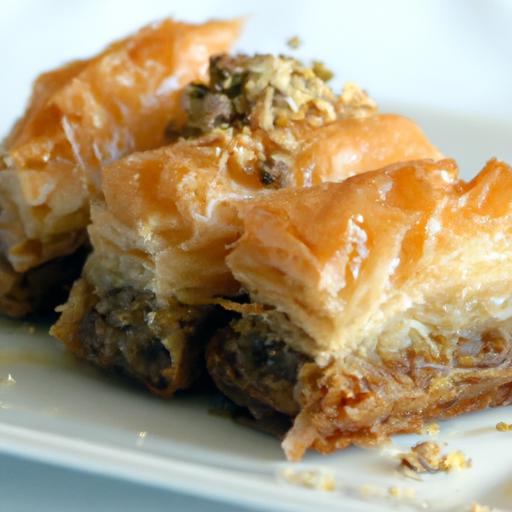

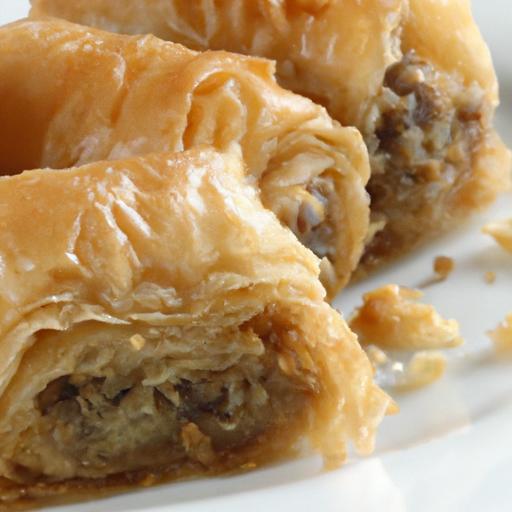
Nestled within layers of golden,flaky pastry and dripping with fragrant honey,Greek baklava is more than just a dessert-it’s a timeless tradition passed down through generations. For those who have ever wondered how to capture the delicate balance of crispness, sweetness, and spice that makes this treat so irresistible, you’re in the right place. In this article, we unlock the secret to an authentic Greek baklava recipe, unveiling the techniques and ingredients that transform humble nuts and filo dough into a masterpiece of Mediterranean flavor. Prepare to embark on a culinary journey where every bite tells a story of heritage, passion, and the art of indulgence.
Unlock the Secret: Authentic Greek Baklava Recipe Revealed invites you to immerse yourself in the rich tapestry of Greek culinary tradition, where the perfect balance of textures and flavors creates a dessert that is nothing short of legendary. Baklava’s allure lies in the harmonious blend of crisp, flaky layers of phyllo dough, a fragrant nut-filled center, and a luscious syrup infused with honey and citrus-a combination that has captivated palates for centuries. this recipe doesn’t just teach you how to bake baklava; it introduces you to the timeless ingredients and techniques that make every bite a festivity of heritage and craftsmanship.
Prep and Cook Time
- Preparation: 40 minutes
- baking: 45 minutes
- cooling and Syrup soaking: 4 hours (preferably overnight)
Yield
- approximately 24 servings
Difficulty Level
- Medium – requires patience and attention to layering
Ingredients
- Phyllo Dough: 1 package (16 oz) of fresh or thawed phyllo sheets
- Unsalted Butter: 1 1/2 cups (340g), melted
- Mixed nuts: 3 cups, finely chopped (traditionally walnuts, pistachios, and almonds)
- Granulated Sugar: 3/4 cup (150g)
- Ground Cinnamon: 1 1/2 teaspoons
- Ground Cloves: 1/2 teaspoon (optional, for warmth)
- Water: 1 cup (240ml)
- Honey: 3/4 cup (255g), preferably Greek thyme honey
- Fresh Lemon Juice: 2 tablespoons
- Lemon Zest: 1 teaspoon
- Vanilla Extract: 1 teaspoon
Instructions
- Prepare the nut filling: In a large bowl, combine the finely chopped mixed nuts, sugar, ground cinnamon, and ground cloves. Toss together and set aside. The blend of walnuts, pistachios, and almonds provides a layered flavor that’s essential to authentic Greek baklava.
- Preheat your oven: Set to 350°F (175°C) to ensure even baking that crisps the phyllo without burning.
- Butter your pan thoroughly: Use a 9×13 inch (23×33 cm) baking dish.Brush melted butter generously on the bottom and sides to prevent sticking and to help create that golden crust.
- Layer the phyllo dough: Place one sheet of phyllo in the pan and brush it lightly with melted butter. Repeat this process with 8 sheets, brushing butter between each layer to build a rich, flaky base.
- Spread the nut mixture: Evenly sprinkle about one-third of the nut filling over the layered phyllo. Press gently to compact it.
- Add more phyllo layers: Cover the filling with 6 to 8 more buttered phyllo sheets, brushing each with butter.
- Repeat layering: Sprinkle another one-third of the nuts, followed by 6 to 8 butter-brushed phyllo sheets. Finish with the remaining nut filling and top it off with 8-10 layers of phyllo, each brushed with butter. This layering is crucial for the signature flaky texture.
- Score before baking: Using a sharp serrated knife, cut the assembled baklava into diamonds or squares, scoring all the way through the layers to the bottom of the pan. This ensures easy slicing post-baking.
- Bake: Place the baklava on the middle rack for 40-45 minutes. It should turn a deep golden brown and become crisp to the touch.
- Prepare the syrup: While baking, combine water, sugar, honey, lemon juice, lemon zest, and vanilla extract in a saucepan. bring to a boil, then reduce heat and simmer gently for 10 minutes until slightly thickened and fragrant.
- Cool and soak: Remove baklava from the oven and immediately pour the warm syrup evenly over the hot pastry. Let the baklava absorb the syrup and cool at room temperature for at least 4 hours, preferably overnight, for the syrup to infuse every layer.
- Serve: Once syrup is fully absorbed, garnish with a sprinkle of crushed pistachios or a light dusting of cinnamon before slicing and serving.
Tips for Success
- Always keep phyllo dough covered with a damp towel while working to prevent it from drying out and cracking.
- Take your time layering and brushing each sheet with butter; this is key to achieving the signature crispness and golden color.
- If you prefer a nut variation, try adding a handful of pine nuts for a subtle twist on the traditional mix.
- Make the syrup a day ahead and store it in the refrigerator. Warm it slightly before pouring over the warm baklava to maintain the perfect syrup absorption.
- For a vegan option, substitute butter with high-quality margarine or coconut oil, though the flavor will slightly differ.
- To ensure clean cuts, use a long serrated knife and make all scoring cuts before baking. Recut along the score lines after baking if necessary.
Serving Suggestions
Serve Greek baklava slightly warm or at room temperature, paired beautifully with a cup of strong Greek coffee or a refreshing mint tea. Garnish with crushed pistachios for color and crunch or a light sprinkle of edible rose petals for elegance. This dessert shines on festive occasions or as a sublime indulgence to end a Mediterranean-inspired meal.
| Nutritional Information (per serving) | Calories | protein | Carbs | Fat |
|---|---|---|---|---|
| Baklava | 320 | 6g | 38g | 18g |
explore more traditional Greek desserts to complement your baklava experience and deepen your culinary journey.
For detailed nutritional guidance on nuts used in baklava, visit NutritionValue.org.

Q&A
Q&A: Unlock the Secret: Authentic Greek Baklava Recipe Revealed
Q1: What makes Greek baklava truly authentic?
A: authentic Greek baklava is all about the perfect harmony between crisp, flaky layers of phyllo dough, fragrant nuts (usually a blend of walnuts, almonds, and pistachios), and a luscious honey-based syrup infused with hints of cinnamon and citrus. The balance of textures and flavors-crispy, sweet, nutty, and aromatic-is the hallmark of true Greek baklava.
Q2: Why is phyllo dough so vital in this recipe?
A: Phyllo dough gives baklava its signature airy crunch. Unlike puff pastry, phyllo is paper-thin and dried, which when layered with butter and baked, creates thousands of delicate, crisp layers. This lightness contrasts beautifully with the dense,syrup-soaked nuts inside.
Q3: Can I make phyllo dough from scratch for baklava?
A: While it’s possible,making phyllo dough at home is labor-intensive and requires practice to get it ultra-thin and elastic. Most baklava enthusiasts use store-bought phyllo, which is widely available and reliable, allowing you to focus on perfecting the nut filling and syrup.
Q4: What nuts are traditionally used in Greek baklava?
A: Classic Greek baklava usually features walnuts and almonds,sometimes with a touch of pistachios for color and flavor depth. These nuts are coarsely chopped to retain texture and to absorb the sweet syrup without becoming mushy.
Q5: How is the syrup made, and what gives it that distinct Greek flavor?
A: The syrup combines honey, sugar, water, lemon juice, and aromatic spices like cinnamon and occasionally a hint of clove or orange zest. this combination creates a fragrant, sweet glaze that soaks into the baked pastry, adding moisture and richness without overpowering the nuts.
Q6: Why is the syrup poured at a specific time during the baking process?
A: Timing is crucial! The syrup is traditionally poured over the baklava once it’s hot out of the oven, so the phyllo layers absorb it without becoming soggy. Pouring syrup onto a hot pastry ensures a perfect balance – crisp layers on top, syrupy and tender inside.
Q7: How long should baklava rest before serving?
A: For the best flavor and texture, baklava should rest at room temperature for at least 4 hours, ideally overnight. This resting period allows the syrup to fully penetrate the layers, marrying flavor and texture beautifully.
Q8: Can baklava be stored, and if so, how?
A: Yes! Baklava can be stored at room temperature in an airtight container for up to five days. For longer storage, it freezes well. Just thaw it at room temperature to retain its flaky crispness.
Q9: what’s a simple tip to cut baklava without it crumbling?
A: Use a very sharp, serrated knife and cut the baklava before baking into diamond or square shapes. Once baked and soaked, cut again if necessary, using a slow sawing motion to maintain neat pieces.
Q10: Any secret tips to elevate my homemade Greek baklava?
A: don’t rush the layering process-brush each phyllo sheet generously with melted butter for crispiness. Also, toast your nuts lightly before chopping; this unlocks their aroma and deepens the flavor. Lastly, be patient with the syrup infusion-it’s what transforms baklava from good to unforgettable!
In Retrospect
As you close the pages on this authentic Greek baklava journey, remember that each golden, honey-soaked layer tells a story of time-honored tradition and vibrant culture.Now equipped with the secret recipe, you hold the key to recreating a true taste of Greece in your own kitchen-a sweet symphony of crisp phyllo, fragrant nuts, and luscious syrup that transcends borders. So go ahead, gather your ingredients, embrace the process, and let the magic of baklava bring a sprinkle of Mediterranean sunshine to your table. Your sweetest adventure awaits!