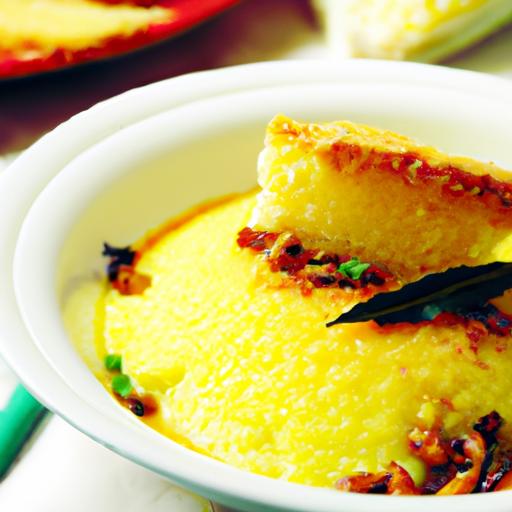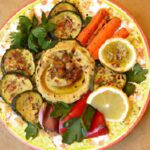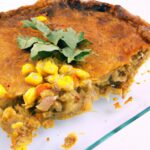

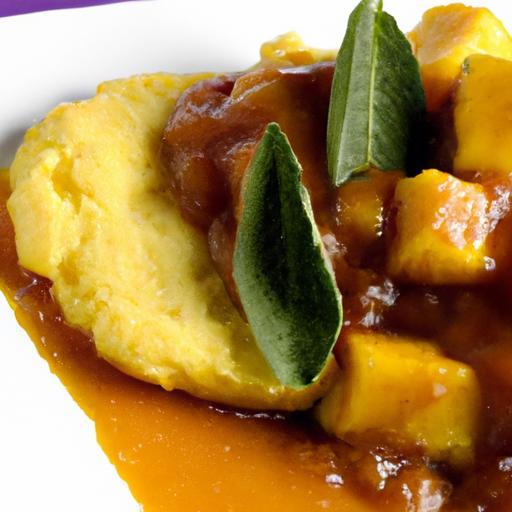
There’s something undeniably enchanting about the humble grain turning into a golden, velvety masterpiece – this is the magic of baked polenta. Once a rustic staple of Northern Italy’s countryside tables,polenta has risen far beyond its simple roots,transforming into a canvas for culinary creativity and comfort alike. In this article, we delve into the art and secrets behind baked polenta’s rich, comforting allure: from mastering the perfect creamy texture to exploring the subtle flavors that elevate it from everyday fare to a dish worthy of celebration. Whether you’re a seasoned cook or a curious food lover,join us as we uncover how this ancient cornmeal tradition continues to captivate modern palates with its warm,golden embrace.
Golden Comfort is more than a dish-it’s a celebration of texture, warmth, and soul-soothing flavour achieved through the perfect polenta consistency. Polenta,with its roots in Northern Italy,has long been a humble staple transformed by artisanal hands into creamy,golden indulgence. Unlocking that velvety texture is a culinary dance of patience, gentle stirring, and the right balance of liquid to cornmeal, culminating in a completion that’s both nourishing and luxuriously smooth.
The beauty of polenta lies in its versatility, but the secret to its signature creamy texture starts with choosing coarse-ground cornmeal and embracing slow cooking. Mixing in rich broths, fragrant herbs, or silky cheeses invites layers of flavor to infuse deeply, making each bite a warm embrace of Golden Comfort.
Prep and Cook time
- Planning: 10 minutes
- Cooking: 35 minutes
- Total Time: 45 minutes
Yield
Serves 4 as a hearty side or 2-3 as a main course
difficulty Level
Medium – ideal for cooks ready to hone their stirring and flavor balancing skills
Ingredients
- 1 cup coarse-ground cornmeal (yellow, not instant)
- 4 cups vegetable broth, simmering
- 1 teaspoon fine sea salt
- 2 tablespoons unsalted butter, room temperature
- 1/4 cup freshly grated parmesan cheese (optional, for depth and silkiness)
- 1 teaspoon fresh rosemary, finely chopped
- Freshly ground black pepper, to taste
- 1 tablespoon olive oil, for greasing the baking dish
Instructions
- Bring the broth and salt to a rolling simmer in a heavy-bottomed saucepan over medium heat-this flavorful liquid is the foundation of your creamy polenta.
- Gradually whisk in the cornmeal in a slow,steady stream,ensuring no lumps form. Continue whisking for 2 minutes to keep the mixture smooth.
- Reduce heat to low and cook uncovered. Stir gently but continuously, using a wooden spoon, scraping along the edges to prevent sticking. Maintain a gentle simmer. This process will take about 30 minutes.
- Check the texture often. The polenta is ready when it thickens to a creamy consistency, pulling away slightly from the sides of the pot but still soft.
- Remove from heat and stir in the butter, Parmesan cheese, and fresh rosemary until melted and evenly incorporated, creating that luscious, golden creaminess.
- Preheat your oven to 375°F (190°C). Lightly grease an 8×8-inch baking dish with olive oil.
- Pour the creamy polenta into the prepared dish, smoothing the top with a spatula.
- Bake uncovered for 20 minutes until the top turns a delicate golden crust, signaling a satisfying contrast between creamy inside and subtle crispness outside.
- Garnish promptly with fresh herbs or your choice of toppings, then slice and serve warm for the ultimate comfort experience.
Tips for Success
- Patience is key: Slow cooking and constant gentle stirring prevents lumps and builds creamy texture-resist rushing by adding excess liquid.
- Opt for coarse cornmeal: Instant or finely ground types yield gluey results, while coarse ground polenta creates that authentic, comforting mouthfeel.
- Customize your infusions: Swap rosemary for sage or thyme to vary flavor profiles; stir in nutritional yeast or vegan cheese for dairy-free alternatives.
- make ahead and reheat: Polenta firms as it cools; reheat gently with a splash of broth or milk over low heat for a creamy revival.
- Experiment with texture: for a richer bite, swirl in mascarpone or crème fraîche just before baking, or press finely chopped sun-dried tomatoes into the top before crisping in the oven.
- Overcoming bitterness: If your polenta tastes slightly bitter, ensure your broth is fresh and well-seasoned; sometiems a pinch of sugar helps balance natural cornmeal earthiness.
Serving Suggestions
The magic of this baked polenta shines when paired thoughtfully.A drizzle of truffle oil or extra virgin olive oil brings luxury and aroma. Fresh garnishes like chopped chives, toasted pine nuts, or crumbled feta enhance both texture and visual appeal.
For a vibrant, wholesome meal, layer the polenta with sautéed wild mushrooms and roasted peppers, then finish with a handful of peppery arugula or microgreens. Alternatively, embrace rustic simplicity with a generous swirl of a rich tomato ragù or a chunky Mediterranean vegetable stew spooned over each slice.
Polenta’s golden color invites serving on wooden boards or shallow bowls to highlight its warmth. Serve with a crisp side salad or roasted root vegetables for a seasonally inspired plate that’s as inviting to the eyes as it is to the palate.

| Nutrient | Per Serving (1/4 batch) |
|---|---|
| Calories | 250 kcal |
| Protein | 6 g |
| Carbohydrates | 40 g |
| Fat | 7 g |
Explore how to elevate your vegetable sides with our guide to perfectly roasted root vegetables, and for a deep dive into polenta’s history and traditional cooking methods, visit Fine Cooking’s professional resource.
Q&A
Q&A: Golden Comfort – The Art and Secrets of Baked Polenta
Q1: What makes baked polenta a timeless comfort food?
A1: Baked polenta’s charm lies in its golden,creamy heart and its versatile texture. It transforms from a simple cornmeal porridge into a perfectly crisp-edged, custardy slice that invites endless culinary creativity. Its warmth and subtly sweet corn flavor evoke a rustic,cozy embrace that feels both grounding and indulgent.
Q2: How does baking polenta differ from cooking it on the stovetop?
A2: Cooking polenta on the stovetop produces a creamy, spoonable dish, often served immediately. Baking,however,allows the polenta to set and firm up,creating a delightful crust on the outside while retaining a smooth interior. This textural contrast makes slices perfect for grilling or layering in casseroles, elevating polenta from side dish to centerpiece.
Q3: What secret ingredients elevate baked polenta?
A3: The secret lies in layering flavors and textures. Using rich vegetable broth instead of water enhances depth, while a touch of nutty cheeses such as Parmesan or aged Pecorino adds savory complexity. Fresh herbs like rosemary or thyme infuse aromatic warmth. A drizzle of high-quality olive oil before baking introduces a luscious finish that gilds the dish with golden comfort.
Q4: Can baked polenta be made ahead of time?
A4: Absolutely! Baked polenta is a marvelous make-ahead dish. Once baked and cooled, it can be refrigerated and sliced to order. Slices can be reheated in the oven or crisped on a grill or skillet, making it perfect for entertaining or quick weeknight meals.
Q5: How can one customize baked polenta for diffrent meals?
A5: The versatility of baked polenta is its magic. For a savory twist,fold in sautéed mushrooms,caramelized onions,or roasted vegetables before baking. Sweet versions are possible too-infuse the base with cinnamon and maple syrup, then top with roasted stone fruits and a dusting of nuts for a comforting dessert option.
Q6: What cooking tips ensure perfectly baked polenta every time?
A6: Patience is key. Slowly simmer the cornmeal in broth to achieve a creamy consistency before transferring to a baking dish.Don’t skimp on seasoning early-it’s essential to layer salty,herbal,and umami notes.Bake until the edges are deeply golden and bubbling, then let it rest briefly to set firmly. This resting time helps slices hold their shape during serving.
Q7: Is baked polenta suitable for dietary restrictions?
A7: Indeed, baked polenta is naturally gluten-free and can be easily adapted for various diets. Using plant-based milks or vegan cheeses transforms it into a vegan delight, while keeping dairy-based ingredients offers a richer, more indulgent experience. Its nourishing corn base makes it comforting and hearty without relying on gluten or heavy starches.
Q8: What cultural traditions are connected to baked polenta?
A8: Polenta has roots that run deep in Northern Italy, were generations have savored its evolving forms. Traditionally a peasant staple, it has grown into a canvas for innovation. Baked polenta reflects both the humble origins of cornmeal and the artisanal pride of modern cooks,embodying a bridge between history and contemporary culinary artistry.
Unlock the golden magic of baked polenta, where humble cornmeal transforms into an artful comfort that warms both kitchen and soul.
The Way Forward
As the final crumb of golden polenta lingers on the palate, we come to appreciate not just a dish, but a timeless craft-one that marries humble ingredients with patient technique to create comfort in every bite. Baked polenta, with its creamy heart and crisp, amber crust, invites us to slow down, savor tradition, and embrace the art of simple pleasures. Whether enjoyed as a rustic side or a canvas for bold flavors, its secrets unlock a world where warmth and texture dance in harmony. So next time you heat your oven,remember: beneath that glowing surface lies a story of heritage,patience,and the quiet magic of golden comfort.