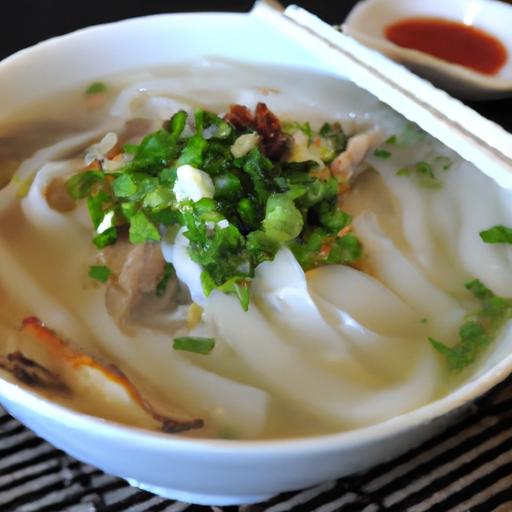

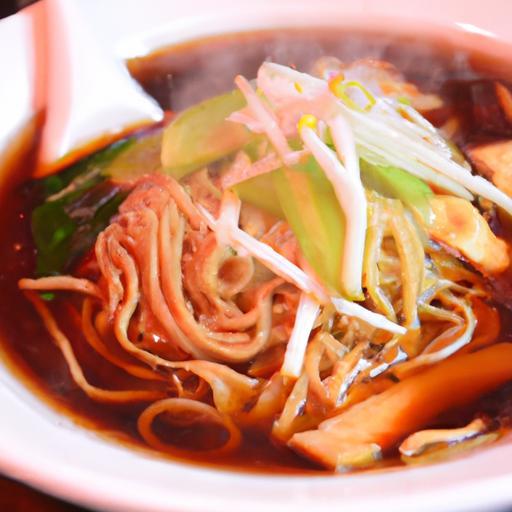
There’s a certain magic in the humble act of slurping noodle soup-a sound that echoes through bustling street markets and quiet family kitchens alike, bridging cultures and generations with each satisfying sip and swirl. Beyond its comforting warmth and savory depths lies a captivating world of tradition, technique, and sensory delight. In this exploration of “slurping Stories: The Art and Science of Noodle Soup,” we’ll unravel how centuries-old customs and culinary craftsmanship converge in a single bowl, where the art of mastering broth, noodles, and that perfect slurp tells a story richer than words alone. Join us as we dive into the science behind flavor, the cultural significance of noodle soups around the globe, and why slurping might just be the key to truly savoring every mouthful.
Slurping Stories: The Art and science of Noodle Soup introduces us to a unique sensory ritual beloved in many Asian cultures – the art of slurping. This tradition goes far beyond being polite table etiquette; it’s a gateway to unlocking deeper layers of flavor and aroma in noodle soups. In Japan, China, and Korea alike, the audible slurp is a joyful celebration, signaling appreciation and enhancing the savory experience.
Prep and Cook time
- Prep Time: 15 minutes
- Cook time: 30 minutes
- Total time: 45 minutes
Yield
4 hearty servings
Difficulty Level
Medium – perfect for adventurous home cooks eager to master technique alongside flavor.
Ingredients
- 200g fresh ramen or soba noodles
- 6 cups chicken or vegetable broth, preferably homemade or low-sodium
- 2 tbsp soy sauce
- 1 tbsp honey
- 1-inch piece ginger, thinly sliced
- 2 garlic cloves, smashed
- 1 cup shiitake mushrooms, thinly sliced
- 2 green onions, sliced on the diagonal
- 1 soft-boiled egg per person (optional)
- 1 tsp toasted sesame oil
- Fresh cilantro or shiso leaves for garnish
- Red chili flakes (optional, to taste)
Instructions
- Prepare the broth: In a large pot, combine the broth, ginger slices, garlic, soy sauce, and honey. Bring to a gentle simmer over medium heat and let it infuse for 15 minutes to concentrate the flavors. Remove ginger and garlic before serving.
- Sauté mushrooms: Meanwhile, heat sesame oil in a skillet over medium heat. Sauté shiitake slices until tender and slightly caramelized, about 5 minutes.Set aside.
- Cook noodles: Boil a large pot of water. Cook noodles according to package instructions until al dente, usually 2-3 minutes for fresh noodles. drain and rinse briefly under cold water to stop cooking and remove excess starch.
- Assemble the bowls: Divide noodles among four deep bowls. Ladle hot broth over the noodles, ensuring each bowl gets a generous amount of broth and aromatics.
- Top with mushrooms, green onions, and soft-boiled egg halves. Sprinkle chili flakes if using. Add fresh herbs last for a pop of vibrant color and scent.
- Master the slurp: Lean forward slightly, place your lips at the noodle edge, and draw air through as you enjoy the bowl. This enhances the aroma-each breath carries more depth, intertwining with savory taste.
Chef’s Notes
- For a vegetarian option, use vegetable broth and omit the egg or replace it with tofu cubes for protein.
- To add richness, finish broth with a teaspoon of miso paste stirred gently just before serving.
- Practice the slurp technique by starting with small intakes-too large can splash. The goal is a smooth, quiet sound that captures noodles and broth in harmony.
- This soup can be made ahead by preparing broth and toppings separately. Reheat broth just before serving and cook noodles fresh to preserve texture.
- Keep chopsticks handy to twirl noodles upwards, a key part of the slurping experience.
Serving Suggestions
Present your noodle soup in deep, wide bowls to allow space for slurping and breathing in aromas. Accompany with small dipping dishes of soy or chili oil for extra customization. Elegant garnishes like thinly sliced green onions and fresh cilantro inject bursts of color and freshness that contrast beautifully against the rich broth and glistening noodles.
Pair the meal with a light,crisp iced green tea or plum soda to refresh the palate between slurps. Encourage guests to embrace the joyous noise – in many cultures, it’s a mark of respect and enjoyment!

| Nutrient | Per Serving |
|---|---|
| Calories | 320 kcal |
| Protein | 18 g |
| carbohydrates | 45 g |
| Fat | 7 g |
How Slurping Influences the Science of Taste and Aroma
Slurping is scientifically fascinating. It aerates the broth, intensifying volatile compounds that reach the olfactory receptors through the nose-breathing in while eating triggers retronasal olfaction. This means that each slurp unlocks complex aroma layers before the broth hits your taste buds. It’s an active engagement of senses, heightening sweetness, umami, and savoriness. try it and observe how the same bowl feels dramatically different when slurped versus slowly sipped.
Tips for Hosting a Slurping-Kind Noodle Soup Experience
- Set the mood with bowls that accommodate generous slurping space and provide chopsticks and soup spoons.
- Break the ice by sharing the cultural background of slurping and encouraging guests to relax, emphasizing enjoyment over etiquette.
- Offer a variety of toppings and mild broth options so guests can customize their noodles, enhancing the interactive atmosphere.
- Provide napkins and small side plates for any drips or spills because embracing slurping can be messy but joyful.
For deeper reading on the cultural relevance, check out this detailed article on noodle history and customs. For more appetizing noodle soup ideas, explore our ultimate guide to ramen broth.
Q&A
Q&A: Slurping Stories – The Art and Science of Noodle Soup
Q1: Why do so many cultures encourage slurping noodle soup instead of sipping quietly?
A1: Slurping isn’t just an invitation to make noise-it’s a sensory experience! In many Asian traditions, slurping enhances the aroma of the broth, allowing steam and fragrance to waft up to your nose with every bite. It also cools the hot soup down, letting you enjoy those complex flavors without burning your palate. Beyond the practical, slurping symbolizes appreciation-it’s a delicious chorus of communal enjoyment.
Q2: What makes a perfect bowl of noodle soup from a scientific perspective?
A2: The magic lies in the balance of texture, temperature, and flavor compounds. Noodles should be al dente, offering a slight resistance that contrasts with the velvety broth. The temperature of the broth must be hot enough to release its aromatic molecules but not so hot as to numb taste buds. The broth itself is a complex mixture of proteins, fats, and umami-rich compounds that dissolve in hot water, creating those crave-worthy depths of flavor.
Q3: How do different types of noodles influence the overall noodle soup experience?
A3: Noodles are the soul of the bowl, and their type dramatically alters the experience. Thin wheat noodles absorb broth quickly, creating a harmonious blend of softness and flavor.Buckwheat or soba noodles add an earthier, nuttier edge. rice noodles bring a silky,slippery texture,perfect for lighter broths. Each noodle type interacts uniquely with the broth, creating an interplay of mouthfeel and taste.
Q4: Can you explain how broth progress affects the “story” behind each bowl?
A4: Absolutely! The broth is the narrative backbone of noodle soup. It’s an evolving story told through slow-simmered vegetables,aromatics like ginger and star anise,and layers of umami from mushrooms,seaweed,or dried seafood. The longer the simmer, the more the ingredients’ essences meld-a rich dialog of flavors that speaks to time, patience, and cultural heritage.
Q5: What role do toppings and garnishes play beyond mere decoration?
A5: Toppings are like plot twists that add interest and texture. Fresh herbs like cilantro, Thai basil, or scallions inject brightness and herbal notes. Crunchy elements such as fried garlic or toasted sesame seeds add contrast. A squeeze of lime or chili slices introduces acidity or heat, shifting the flavor arc and keeping your palate engaged.Each garnish deepens the story with fresh layers of delight.
Q6: how has global culinary cross-pollination impacted the art of noodle soup?
A6: The noodle soup canvas is ever-expanding, thanks to global influences weaving into traditional recipes. Incorporations of diverse spices, vegetables, and plant-based proteins have enriched broths and broadened appeal. This fusion invites storytellers to experiment, creating bowls that honor origins while embracing new chapters-celebrating innovation with respect for tradition.
Q7: What is the etiquette of noodle soup slurping in different cultures?
A7: Etiquette varies widely-what’s eager slurping in japan is considered rude in many Western tables. In Japan and parts of China, slurping is a compliment to the chef, signaling enjoyment and prompting a communal vibe. Meanwhile, quieter cultures may prioritize decorum, sipping gently. Understanding these customs adds richness to the communal dining experience and shows respect for each culture’s “slurp language.”
Q8: Is there a psychological benefit to eating noodle soup with slurping?
A8: Definitely! The act of slurping engages multiple senses and invites mindfulness. The rhythmic sound, steam’s warmth, and flavors awaken attention and heighten pleasure. It can reduce stress by fostering a playful, sensory connection with your food-a reminder that eating is a joyful ritual, not mere sustenance.
From aroma to etiquette, each slurp tells a story-a timeless savoring of broth, noodle, culture, and community. So next time you lift that spoonful, savor the science, art, and heart in every sip and slurp!
Closing Remarks
As the final swirl of broth disappears and the last strand of noodle is savored, it becomes clear that slurping is far more than a simple mealtime habit. It is a ritual steeped in culture, a sensory experience that unlocks flavors and aromas in ways mere silence cannot. From the bustling streets of Tokyo to cozy family kitchens, slurping noodles is both an art and a science-an invitation to engage intimately with the food before you. So next time you lift that steaming bowl, don’t hold back; embrace the slurp, and savor the story each sip tells.