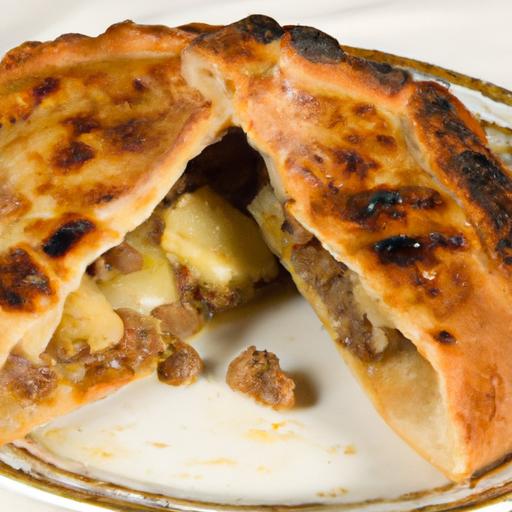


In the diverse tapestry of Georgian cuisine, few dishes capture the warmth and spirit of the country quite like Lobiani. This humble yet hearty bean-stuffed bread is more than just a comfort food-it’s a culinary journey into the heart of Georgia’s rich cultural heritage. With its golden, crispy crust giving way to a savory, spiced bean filling, Lobiani tells a story of tradition, community, and the timeless art of baking. Join us as we dive deep into the origins, flavors, and techniques behind this beloved staple, inviting you to experiance a bite of georgian history with every mouthful.
Discovering Lobiani Origins and Cultural Significance
Georgian Lobiani is much more than just a bean-stuffed bread; it is a culinary emblem deeply rooted in Georgian heritage.This beloved treat hails from the mountainous regions of Georgia, especially popular during the festive season of Maslenitsa and other conventional celebrations.Its origins trace back centuries when peasants relied on simple yet hearty ingredients like dried beans and homemade dough to create a nourishing meal. Lobiani symbolizes warmth, family gatherings, and the ingenuity of Georgian home cooks, who transform humble beans into a rich, savory filling encased in a golden crust. its name derives directly from the Georgian word for beans, lobio, highlighting the star ingredient that makes this bread irresistibly satisfying.
Ingredients That Make Lobiani Irresistible
- 1 ½ cups dried red kidney beans, soaked overnight
- 2 ½ cups all-purpose flour, sifted
- ¾ cup warm water (adjust as needed)
- 1 tsp active dry yeast
- 2 tbsp vegetable oil (plus extra for dough and frying)
- 1 medium onion, finely chopped
- 1 tsp ground coriander
- 1 tsp smoked paprika
- Salt and freshly cracked black pepper, to taste
- 1 tsp sugar
- Butter for brushing
Prep and Cook Time
- Readiness: 20 minutes (+ soaking beans overnight)
- Cook Time: 1 hour 15 minutes
Yield
Serves 6 generous portions
Difficulty Level
Medium – requires yeast handling and bean preparation but accessible for brave home cooks
Step by Step Guide to Crafting Authentic Lobiani at home
- Prepare the beans: drain the soaked beans and simmer in fresh water for about 1 hour or until tender but not mushy. Drain,reserving a little cooking liquid.
- Make the dough: In a small bowl,dissolve the sugar and yeast in warm water. Let it activate for 10 minutes or until frothy.In a large mixing bowl, combine flour, salt, and oil. Pour in the yeast mixture, mixing to form a soft and elastic dough. Knead for 8-10 minutes, dusting with flour if sticky. Cover and let rise in a warm spot for 1 hour.
- Prepare the filling: Heat 2 tbsp vegetable oil in a skillet over medium heat. Sauté finely chopped onions until translucent, about 5 minutes. Transfer onions to a food processor along with cooked beans, ground coriander, smoked paprika, salt, and pepper.Blend to a slightly coarse paste, adding reserved bean liquid a tablespoon at a time to achieve a spreadable consistency.
- Assemble the Lobiani: Punch down the risen dough and divide into 6 equal balls. Roll each ball into a flat round about 6 inches in diameter. Spread a generous 2-3 tbsp of the bean filling evenly over half of the circle, leaving edges free. fold dough over the filling and seal edges by pinching firmly like a half-moon.
- Final rise and bake: Place lobiani on a parchment-lined baking sheet,seam side down. Let rest for 20 minutes. Simultaneously occurring, preheat the oven to 375°F (190°C).Brush each lobiani lightly with melted butter or oil for a golden finish. Bake for 25-30 minutes or until golden and puffed.
- Rest and serve: Allow lobiani to cool slightly on a wire rack before slicing.This helps the filling set for cleaner cuts and maximum flavor.
Chef’s notes: tips for Success
- Bean options: Red kidney beans provide authenticity, but you can also use scarlet runner beans or pinto beans for subtle variations.
- Sourdough variant: Switch out active dry yeast for sourdough starter for a tangy depth and rustic crumb.
- Make ahead: Lobiani freezes beautifully. Bake fully, cool, then freeze wrapped airtight. Reheat in a warm oven or skillet.
- Texture balance: Avoid over-pureeing the bean filling; slight chunkiness adds lovely rustic texture.
- Optional spices: Ginger or fresh dill additions pair beautifully with the bean’s earthy tones, though keep them subtle to retain authenticity.
Perfect Pairings and Serving Suggestions for Lobiani
Enjoy warm Lobiani sliced into wedges alongside a dollop of matsoni (Georgian cultured yogurt) or adjika, a spicy pepper sauce that elevates the earthy bean flavors. Refresh with a side salad of crisp cucumbers and fresh herbs like cilantro and parsley.For a cozy meal, pair with traditional Georgian Lobio stew to double down on bean goodness.
The golden crust also sings when brushed with garlic butter post-bake,garnished with fresh chives or thinly sliced scallions for an added layer of aroma and color. For beverages, opt for freshly brewed black tea or a tart pomegranate juice to balance the richness.

| Nutrient | Per Serving |
|---|---|
| Calories | 320 kcal |
| Protein | 14 g |
| Carbohydrates | 45 g |
| Fat | 6 g |
For more insight into the cultural roots, explore the Encyclopedia Britannica’s feature on Georgian cuisine, offering detailed historical context and flavors that define this remarkable region.
Q&A
Q&A: Georgian Lobiani – Dive Into the Heart of Bean-Stuffed Bread
Q1: What is Lobiani and why is it so beloved in Georgian cuisine?
A1: Lobiani is a traditional Georgian bread stuffed generously with seasoned mashed beans, often red kidney beans. It’s beloved for its hearty, comforting flavor and satisfying texture. Frequently enough enjoyed during festive occasions and everyday meals alike,lobiani embodies the warmth and hospitality of Georgian culinary culture.
Q2: How is Lobiani different from other Georgian stuffed breads like Khachapuri?
A2: While Khachapuri is famously filled with cheese,Lobiani takes a savory,earthy turn by featuring beans as its primary filling. The dough for lobiani is also enriched with matsoni (a Georgian fermented milk product),which imparts a soft,slightly tangy crumb that pairs beautifully with the creamy,spiced bean interior.
Q3: What types of beans are traditionally used in Lobiani?
A3: The most common beans used are red kidney beans, prized for their robust texture and rich flavor. Thes beans are soaked, cooked, and mashed into a thick paste, often enhanced with caramelized onions, garlic, and warming spices like coriander and fenugreek to elevate the filling’s depth.
Q4: Can Lobiani be made for vegans or those with dietary restrictions?
A4: absolutely! Lobiani is naturally plant-based and can be easily adapted for vegan diets by omitting or substituting any dairy ingredients such as butter or matsoni.Using plant-based yogurt or simply water in the dough keeps the bread flavorful and inclusive.
Q5: What cultural significance does Lobiani hold in Georgia?
A5: Lobiani is especially notable during New Year’s celebrations in georgia, where it is often shared among family and friends as a symbol of abundance and togetherness. Its humble ingredients reflect Georgian resourcefulness, turning simple staples into a dish full of heart and tradition.
Q6: How is Lobiani traditionally prepared?
A6: Preparation begins with making the dough, which is softly fermented for a tender crumb. The bean filling is cooked until creamy and well-seasoned,then wrapped in the dough and baked until golden brown. The result is a warm, savory bread with a satisfying crunch exterior and a lush, flavorful center.
Q7: What are some creative ways to enjoy Lobiani?
A7: Lobiani pairs wonderfully with fresh herbs like coriander or parsley, a dollop of tangy yogurt alternative, or a crisp salad to balance its richness. It can be sliced and served as part of a wholesome brunch or enjoyed on its own as a hearty snack on a chilly day.
Q8: Where can someone outside of Georgia experience authentic Lobiani?
A8: While Lobiani can be found in Georgian restaurants worldwide,adventurous home cooks can try their hand at making it using online recipes or Georgian cookbooks.Local Georgian markets may also offer ready-made Lobiani or ingredients to create this beloved bread at home.
Dive into Lobiani, and you’re not just tasting a bean-stuffed bread-you’re savoring a bite of Georgian soul.
To Wrap It Up
As the warm, fragrant slices of Lobiani reveal their rich, bean-stuffed secrets, we are reminded that food is more than sustenance-it is a story baked into every crumb.This beloved Georgian bread carries with it the spirit of tradition, the comfort of home, and the artistry of generations past.So, whether you find yourself wandering the bustling streets of Tbilisi or trying your hand at making Lobiani in your own kitchen, remember that with each bite, you’re diving into the heart of a culture where simplicity and flavor come together in perfect harmony. Let lobiani be your delicious invitation to explore the soulful depths of Georgian cuisine, one hearty slice at a time.