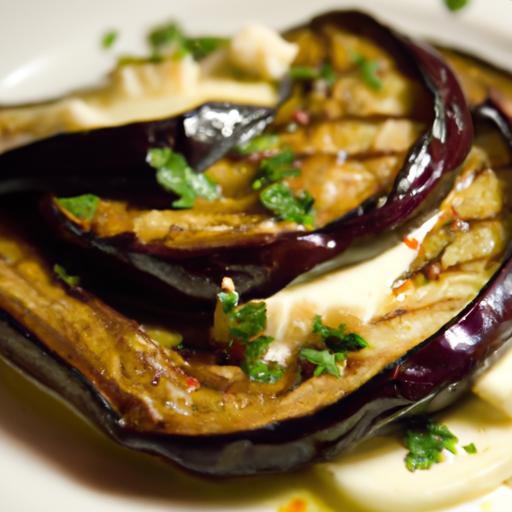

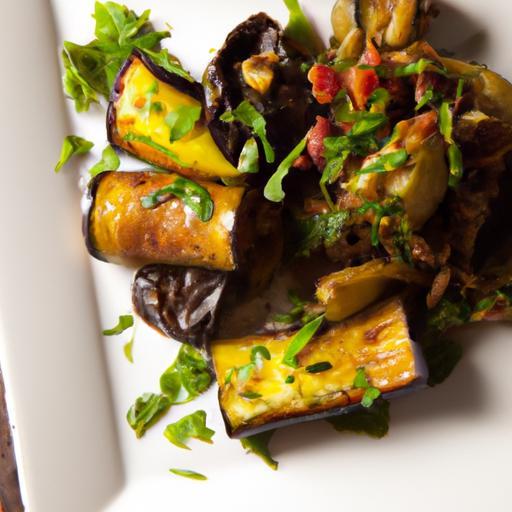
In the world of culinary wonders, few ingredients offer as much versatility and charm as the humble eggplant. With it’s glossy purple skin and tender, creamy flesh, this vegetable transforms under the perfect technique into a symphony of flavors and textures. Sautéing eggplant is an art form that, once mastered, unlocks a rich palette of smoky, sweet, and savory notes that can elevate any dish from ordinary to unusual. Join us as we dive into the essentials of sautéing eggplant-exploring tips, tricks, and flavor combinations-to help you savor every bite and truly master this timeless kitchen skill.
Savor the Flavor: Mastering the Art of Sautéed Eggplant
savor the flavor of sautéed eggplant like never before by unlocking the secrets behind choosing the ideal fruit, preparing it for maximum flavor absorption, and mastering heat control for that golden, caramelized finish. Whether fresh from the farmers’ market or your grocery store,a perfectly sautéed eggplant brings a luscious,melt-in-your-mouth texture that elevates any meal.
Prep and Cook Time
- Readiness: 15 minutes
- Cooking: 20 minutes
- Total Time: 35 minutes
Yield
Serves 4 as a side dish or component in a main meal
Difficulty Level
Medium – ideal for cooks wanting to enhance their sauté technique and flavor layering
Ingredients
- 2 medium eggplants (firm, glossy skin, heavy for size)
- 3 tbsp extra virgin olive oil (cold-pressed for rich flavor)
- 2 cloves garlic, minced
- 1 tsp smoked paprika
- 1 tsp sea salt, adjust to taste
- ½ tsp cracked black pepper
- Fresh thyme sprigs or 1 tsp dried thyme
- 1 tbsp lemon juice (optional, for brightness)
- Fresh parsley for garnish
Instructions
- Choose the perfect eggplants: Opt for firm eggplants with smooth, shiny deep purple skin. Avoid any with soft spots or bruises to ensure a meaty texture. Smaller to medium-sized fruits tend to have fewer seeds and less bitterness.
- Prep and slice: Wash and dry the eggplants.Cut off the stem,then slice into ½-inch thick rounds or 1-inch cubes-both shapes work well,but thicker slices help retain moisture during sautéing. To enhance flavor absorption and lessen bitterness, lightly salt the slices and set on a rack or paper towels for 20 minutes, then pat dry.
- Heat control and oil selection: Use extra virgin olive oil for its fruity aroma and balanced richness. Heat a large sauté pan over medium heat until shimmering but not smoking. Adding oil too early or at too high heat can cause burning instead of caramelization.
- Sauté the eggplant: Add eggplant pieces in a single layer without overcrowding (work in batches if needed). Cook for about 5 minutes per side, allowing a golden crust to form before flipping. Stirring too frequently prevents that lovely caramelized exterior; patience is key here.
- Add aromatics and seasonings: When the eggplant is nearly tender and golden, stir in minced garlic, smoked paprika, thyme, salt, and pepper.Sauté together for 2-3 minutes until fragrant and integrated.
- Finish with brightness: Remove from heat and drizzle with fresh lemon juice for a subtle zing that cuts through the earthiness. Garnish with chopped parsley before serving.
Tips for Success
- Dealing with bitterness: Salting is a traditional method to reduce bitterness and excess moisture. If time is short, opting for smaller, younger eggplants can help minimize bitterness naturally.
- Oil alternatives: Avocado or grapeseed oils work well for higher smoke points if you prefer a different flavor profile or need to cook at slightly higher heat.
- Batch cooking: Overcrowding the pan steams the eggplant rather than caramelizing it. Cook in batches for a crispier, richer finish.
- Storage: Sautéed eggplant stores well refrigerated up to 3 days. Reheat gently to preserve texture.
- Variations: Add diced bell peppers or cherry tomatoes in the last few minutes for color and layered flavor.
Serving Suggestions
serve your sautéed eggplant warm or at room temperature as a side dish alongside fragrant rice or quinoa. It pairs beautifully with a dollop of creamy hummus or a sprinkle of toasted pine nuts for contrasting textures.
For a Mediterranean-inspired plate, layer sautéed eggplant over warm flatbreads, drizzle with a garlic tahini sauce, and garnish with fresh herbs and lemon wedges for an irresistible presentation.

| Nutrient | per Serving |
|---|---|
| Calories | 145 kcal |
| Protein | 2.1 g |
| Carbohydrates | 12 g |
| Fat | 11 g |
For further inspiration on vegetable-focused cooking, check out our Guide to Sautéed Vegetables. Learn more about the health benefits of eggplants and their rich antioxidants at Medical News Today.
Q&A
Q&A: Savor the Flavor: Mastering the Art of sautéed Eggplant
Q1: what makes sautéed eggplant a unique and flavorful dish?
A1: Sautéed eggplant transforms the humble vegetable into a rich, tender, and deeply flavorful delight. The magic lies in its ability to soak up oils, spices, and aromatics, creating a velvety texture with a caramelized, slightly smoky crust that elevates any meal.
Q2: How should I prepare eggplant before sautéing to achieve the best texture?
A2: Start by slicing the eggplant evenly, either into rounds or cubes, depending on your recipe. To prevent bitterness and excess moisture, lightly salt the slices and let them sit for 20-30 minutes, then gently pat dry. This step enhances flavor and ensures the eggplant sautés to a perfect, tender consistency without becoming mushy.
Q3: What type of oil is best for sautéing eggplant?
A3: Opt for oils with a high smoke point such as olive oil, avocado oil, or grapeseed oil.Thes oils not only withstand the heat but also imbue the eggplant with a lush, silky richness that complements its natural flavors.
Q4: how can I avoid soggy sautéed eggplant?
A4: Avoid overcrowding the pan-give the eggplant slices space to brown. Use a hot pan and sufficient oil, allowing the pieces to caramelize instead of steaming. Turning the slices only once or twice will foster a crispy exterior while preserving an irresistibly soft interior.
Q5: What herbs and spices pair beautifully with sautéed eggplant?
A5: classic Mediterranean profiles shine with herbs like basil, oregano, thyme, and rosemary.Add a pinch of smoked paprika or cumin for warmth,or toss in fresh garlic and chili flakes for a kick.These aromatics infuse the eggplant with lively layers of flavor.
Q6: Can sautéed eggplant be used in dishes beyond a simple side?
A6: Absolutely! Sautéed eggplant is incredibly versatile-mix it into pasta sauces, layer it in vegetable stacks, fold it into grain bowls, or use it as a base for spreads and dips. Its luscious texture and robust flavor make it a star in both rustic and refined dishes.
Q7: How do I store leftover sautéed eggplant to preserve its flavor and texture?
A7: Allow the eggplant to cool wholly, then transfer to an airtight container. Store in the refrigerator for up to 3 days. Reheat gently over medium heat to revive its tenderness without drying it out.
Q8: Are ther any tips for eggplant varieties better suited for sautéing?
A8: Look for firm, glossy eggplants with smooth skin. Japanese and Chinese eggplants tend to be slender with fewer seeds and a milder flavor, making them ideal for sautéing. Globe eggplants are larger and meatier but also work beautifully when cooked properly.
Mastering sautéed eggplant unlocks a world of culinary possibilities-where texture meets flavor in a perfect, sizzling dance.Enjoy the journey of transforming this humble vegetable into a gourmet delight!
Future Outlook
As the final sizzle settles and the aroma of perfectly sautéed eggplant fills your kitchen,you’ve not only crafted a dish-you’ve embraced an art form. Mastering the delicate balance of heat, timing, and seasoning transforms humble eggplant into a tapestry of rich, smoky, and tender flavors that dance on the palate. Whether you’re layering it into a hearty ratatouille, tossing it with fresh herbs and olive oil, or enjoying it as a standalone delight, your newfound sautéing skills open the door to endless culinary possibilities.So next time you reach for that glossy, purple globe at the market, remember: with a little patience and technique, you hold the power to savor flavor in its purest, most exquisite form. Happy cooking!