

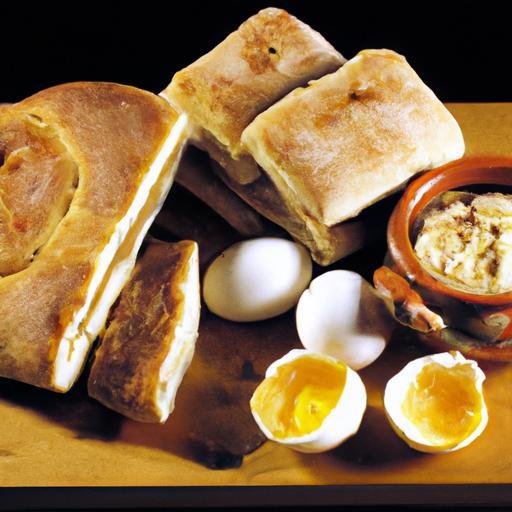
Nestled at teh crossroads of Europe and asia, Georgia is a land where ancient traditions weave seamlessly with vibrant culinary artistry. Among its many gastronomic treasures, georgian bread stands out as a heartfelt symbol of culture, community, and craftsmanship. From the rustic tone of freshly baked puris emerging from clay ovens to the intricate shapes that tell stories passed down through generations, Georgian bread invites you on a flavorful journey through time and taste. In this article, we explore the rich history, unique baking techniques, and the irresistible flavors that make Georgian bread not just a staple, but a party of a nation’s enduring spirit.
Origins and cultural Significance of Georgian Bread
Georgian bread is much more than just a staple; it’s a living testament to centuries-old traditions and the heart of Georgian hospitality. In the rustic bakeries of Tbilisi, the aroma of freshly baked bread wafts through the alleyways, inviting a deep fascination with the craft. This bread is a symbol of community and celebration, often baked for special occasions and daily meals alike. Rooted in ancient history, Georgian bread connects families through its ritualistic preparation and sharing, embodying warmth, generosity, and cultural pride.
Exploring Customary Baking Techniques and Ingredients
Crafting authentic Georgian bread demands a unique blend of patience, skill, and respect for heritage. The cornerstone of tradition lies in baking the bread in a tone, a deep, circular clay oven that imbues each loaf with intense heat and an unmistakable smoky aroma. The dough itself is simple yet vital: high-quality flour, water, salt, and a natural leavening agent such as sourdough starter or yeast. Many recipes also call for hand-kneading the dough to achieve the perfect elasticity and texture, a tactile connection that links baker and bread. The intense heat of the tone seals the bread quickly, producing a crisp crust that contrasts beautifully with its soft, chewy interior.
Regional Varieties That Define Georgian bread
Travel across Georgia reveals a mosaic of bread varieties, each reflecting local customs and ingredients. In Eastern Georgia, shotis puri stands out with its canoe-like shape and crackling crust, baked strictly in a tone. Western Georgia offers mchadi, a delightful cornbread that pairs seamlessly with fresh cheese, and nazuki, a subtly sweet, cardamom-scented treat reserved for festive tables.The mountainous regions favor hearty, dense bread to sustain during colder months, while coastal areas incorporate herbs and spices for added flavor complexity. These varieties not only showcase regional diversity but also highlight the versatility and adaptability of georgian bread across cultures and landscapes.
Tips for Enjoying and Pairing Georgian Bread at home
to truly appreciate Georgian bread,serve it warm and fresh. Its aromatic crust and tender crumb invite pairing with traditional accompaniments such as matsoni (a creamy yogurt), fresh sulguni cheese, or vibrant adjika, a spicy pepper paste. For an elevated experience, tear the bread by hand rather than slicing to preserve its texture. Georgian bread also shines alongside hearty stews, grilled vegetables, or as a base for herbaceous spreads like walnut sauce. Store leftovers wrapped in a clean linen cloth to maintain moisture, and lightly reheat in a preheated oven to revive its original texture. Experimenting with local Georgian flavors at home opens a delightful gateway to the country’s rich culinary heritage.
Prep and Cook Time
- Preparation: 20 minutes
- proofing: 1 hour 30 minutes
- Baking: 15 minutes
- Total Time: Approximately 2 hours
Yield
Makes 2 large loaves (serves 6-8)
Difficulty Level
Medium – requires attention to dough texture and baking conditions
Ingredients
- 4 cups all-purpose flour, sifted
- 1 ½ cups warm water (110°F/43°C)
- 2 teaspoons active dry yeast
- 1 teaspoon sugar
- 1 ½ teaspoons salt
- 2 tablespoons vegetable oil (optional, for softer crumb)
Instructions
- Activate the yeast: In a small bowl, combine warm water, sugar, and yeast.stir gently and let it sit until foamy, about 10 minutes. This confirms your yeast is active and ready to leaven.
- Mix and knead the dough: In a large bowl, whisk salt into the flour. Create a well in the center and pour in the yeast mixture and oil. Mix with a wooden spoon until rough dough forms, then turn onto a lightly floured surface.
- Knead vigorously: Knead the dough for 10 minutes until smooth and elastic. Use the heel of your hand, pressing firmly and folding the dough over itself. The dough should be soft but not sticky.
- First proof: Place the dough in a lightly oiled bowl, cover with a damp towel, and let it rise in a warm place until doubled in size, about 1 hour.
- Shape the loaves: Punch the dough down gently to release air. Divide into two equal portions. Shape each into a long, canoe-like oval, stretching slightly by hand without tearing.
- Second proof: Place shaped loaves on a parchment-lined baking sheet or peel if using a stone or clay oven.Cover again and let rise for 30 minutes.
- Bake: Preheat your oven to 475°F (245°C). If possible, place a baking stone or inverted heavy pan inside to mimic a clay oven’s heat.
- Final preparation: Just before baking, use a sharp blade to make shallow diagonal slashes along each loaf. This allows expansion and creates signature ridges.
- Bake for 12-15 minutes: Place the loaves directly on the hot stone or baking sheet. Bake until the crust is deep golden and crisp. Rotate halfway for even browning.
- cool briefly and enjoy: Transfer to a wire rack; allow to cool for 10 minutes before tearing into warm, fragrant slices.
Chef’s Notes
- For an authentic experience mimic the tone by baking on a preheated pizza stone to recreate intense radiant heat.
- Substitute part of the all-purpose flour with whole wheat for a nuttier flavor and heartier texture.
- If dough feels sticky, dust hands lightly rather than adding extra flour, to keep the crumb tender.
- To enhance flavor complexity, allow the dough to ferment overnight in the fridge after the first rise.
- Store leftover bread in a breathable linen bag to prevent moisture buildup and maintain crust crispness.
Serving Suggestions
Slice or tear warm Georgian bread and present it alongside traditional dishes such as lobio (spiced kidney bean stew) or fresh cheeses like sulguni. Garnish with freshly chopped herbs, a drizzle of high-quality Georgian walnut oil, or a side of ajika for a fiery kick. Serve with creamy yogurt dips or bright tomato and cucumber salad to balance textures and flavors.This bread also pairs brilliantly with grilled eggplant or sautéed mushrooms for a vegetarian delight.

| Nutrient | Per Serving (1/6 loaf) |
|---|---|
| Calories | 175 kcal |
| Protein | 5 g |
| Carbohydrates | 35 g |
| Fat | 1.2 g |
For further exploration of Georgian culinary delights, check out our guide to traditional Georgian cheeses. To dive deeper into the history and techniques behind the unique tone oven,visit Britannica’s Georgian cuisine overview.
Q&A
Q&A: Georgian Bread – A Delicious Journey Through Tradition and Taste
Q1: What makes Georgian bread so unique compared to othre traditional breads?
A1: georgian bread is a wonderful reflection of the country’s rich history and diverse culture. What sets it apart is not just the variety of breads but the traditional baking techniques, such as baking in a deep circular clay oven called a tone.The breads often have distinct shapes, textures, and flavors, created by simple yet carefully balanced ingredients like flour, water, salt, and natural yeast. The result is bread that is both rustic and refined, carrying with it the warmth of Georgian hospitality.
Q2: Can you describe some of the most popular types of Georgian bread?
A2: Absolutely! One of the most beloved is shotis puri, a boat-shaped bread with a crispy crust and airy interior, traditionally baked stuck to the walls of the tone. Then there’s mchadi, a dense and hearty cornbread commonly enjoyed alongside cheese or fresh vegetable dishes. Another treasure is lavash, a thin, soft flatbread used to wrap savory or fresh fillings. Each bread tells a story through its texture, shape, and role in Georgian cuisine.
Q3: How is the traditional Georgian bread-baking process unique?
A3: The process is almost ceremonial. The tone oven, made from clay, reaches high temperatures and imparts a distinctive smoky aroma. Dough is often hand-shaped with great care and slapped onto the oven walls, where it bakes quickly to a golden perfection. This method creates a crisp crust hard to replicate in conventional ovens. Baking the breads this way is a skill passed down through generations, often accompanied by storytelling and communal celebration.
Q4: How does Georgian bread play a role in local meals and culture?
A4: Bread is sacred in Georgian culture-it’s a symbol of life and hospitality.At any table,multiple breads might be served alongside fresh cheese,honey,herbs,and seasonal vegetables. Sharing bread is a gesture of friendship and respect. Many traditional Georgian feasts, or supra, begin and end with bread to honor guests.It’s not just food; it’s a cultural cornerstone, connecting families and communities.
Q5: Are there any tips for someone wanting to experience authentic Georgian bread at home?
A5: While replicating the tone oven at home is a challenge, you can get close by using a pizza stone or cast-iron skillet preheated in a hot oven to mimic that radiant heat.Use simple, high-quality flour and allow time for natural fermentation to develop flavor. Shaping the dough into traditional forms, like the elongated boat shape of shotis puri, adds authenticity and fun. Pair your bread with fresh goat cheese or tangy tomato salad to evoke the full Georgian flavor experience.
Q6: What flavors or ingredients complement Georgian bread best in meals?
A6: Georgian bread shines brightest when paired with fresh, vibrant accompaniments-think creamy cheeses like sulguni, earthy eggplant spreads such as badridzani nigvzit, or tangy walnut sauces. Fresh herbs like cilantro and tarragon, crisp seasonal tomatoes, and mild pickled vegetables all bring out the bread’s nuances. These simple but flavorful combinations highlight the bread’s role as a vessel for tastes and textures in Georgian cuisine.
Q7: why has Georgian bread remained a beloved tradition for centuries?
A7: Georgian bread’s endurance is a testament to its deep connection to both the land and the people. It’s more than nourishment; it embodies heritage, community, and identity. The tactile experience of making and breaking bread together continues to foster bonds today, just as it did hundreds of years ago. That timelessness, combined with irresistible flavor and texture, ensures Georgian bread remains a cherished part of the country’s heart and kitchen.
Final Thoughts
As the aroma of freshly baked Georgian bread lingers in the air, we are reminded that this humble staple is much more than nourishment-it is a living testament to centuries of tradition, culture, and community. Each loaf tells a story, from the ancient clay ovens of the Caucasus to modern tables around the world, inviting us to savor not just its rich flavors but the heritage baked within. Whether you’re a curious traveler or a passionate foodie, exploring georgian bread is more than a culinary experience-it’s a delicious journey that connects us to the heart of a vibrant culture, one warm bite at a time.