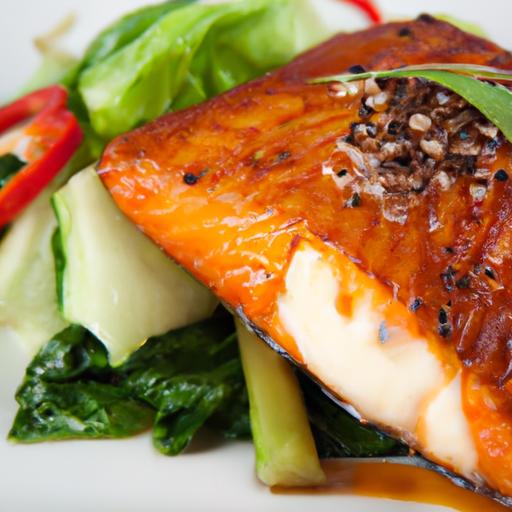

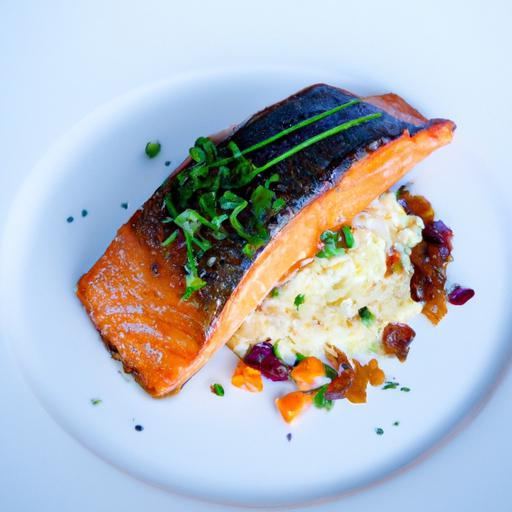
There’s something undeniably satisfying about biting into a piece of salmon with skin so crispy it crackles beneath your fork, while the tender, flaky flesh inside remains perfectly cooked adn bursting with flavor. Mastering the art of pan-seared salmon with irresistibly crispy skin isn’t just for professional chefs-it’s a culinary skill within reach of any home cook willing to learn a few key techniques. In this article, we’ll dive into the science behind achieving that golden, crackling skin, explore the best cooking practices, and share expert tips to help you transform a simple salmon fillet into an exceptional dish that dazzles both the eyes and the palate. Ready to elevate your salmon game? Let’s get cooking.
Choosing the Ideal Salmon Fillet for Crispy Skin Success
Mastering pan-seared salmon with perfectly crispy skin starts with selecting the right fillet. Opt for fresh, sashimi-grade salmon with the skin on-this is crucial for that signature crunch. Look for vibrant salmon flesh that’s firm to the touch and skin that’s intact and glossy. Wild-caught varieties such as sockeye or king salmon offer a richer flavor profile and firmer texture, enhancing the searing process. Avoid frozen or previously frozen fillets if you wont to maximize crispiness and freshness. A fillet about 1 to 1½ inches thick works best, allowing even cooking without drying out.
Preparing Your Salmon Like a Pro for Even Searing
Preparation elevates your dish from ordinary to restaurant-quality. First, pat your salmon fillets dry thoroughly using paper towels-moisture is the enemy of crispy skin. next, gently score the skin with a sharp knife in shallow diagonal cuts to prevent curling during cooking. Season generously with coarse sea salt and freshly cracked black pepper. Let the fillet sit at room temperature for 10-15 minutes before cooking; this step helps the salmon cook evenly. For an extra layer of flavor and texture, brushing a light coat of high-smoke point oil, such as avocado or grapeseed oil, onto the skin side preps it for an ideal sear.
Techniques to Achieve That Irresistible Crunch on every Bite
Achieving irresistibly crispy skin requires attention to technique. Use a heavy-bottomed skillet-cast iron is exceptional for maintaining steady heat. Preheat the pan until it’s hot but not smoking, then gently lay the salmon skin-side down, pressing lightly with a spatula to ensure full contact. Resist the urge to move the fish early; patience allows the skin to crisp evenly. Cook skin-side down for 5-7 minutes over medium heat, until the edges turn opaque and the skin releases naturally. Flip carefully and cook the flesh side for an additional 1-2 minutes for medium doneness, or longer if you prefer well done. For an added touch, spoon melted butter infused with fresh thyme or garlic over the salmon in the final minutes, boosting flavor and gloss.
Finishing Touches and Serving Tips to Elevate Your Dish
The final presentation makes all the difference. Once out of the pan, rest the salmon for a few minutes to redistribute juices and maintain moisture. Garnish with freshly chopped herbs like dill or chives, and a squeeze of bright lemon juice to cut through the richness and brighten the flavors. Consider plating on a bed of creamy mashed potatoes, wild rice, or a crisp green salad to complement the crispy skin texture. A drizzle of herbaceous olive oil or a spoonful of citrusy salsa verde adds visual appeal and complexity. remember, managing contrast-crispy skin, tender flesh, and refreshing accompaniments-creates a truly memorable bite.
Prep and Cook Time
- Preparation: 15 minutes
- Cooking: 10 minutes
- Total: 25 minutes
Yield
Serves 2
Difficulty Level
Medium
Ingredients
- 2 salmon fillets (6-8 oz each), skin on and about 1 to 1½ inches thick
- 1 tablespoon avocado oil or grapeseed oil
- Coarse sea salt, to taste
- freshly ground black pepper, to taste
- 2 tablespoons unsalted butter
- 1 sprig fresh thyme
- 1 garlic clove, smashed
- Lemon wedges, for serving
- Fresh dill or chives, for garnish
Instructions
- Prepare the fillets: Gently pat the salmon dry with paper towels. Using a sharp knife, lightly score the skin diagonally in two directions, about 3-4 shallow cuts per fillet to prevent curling during searing. Season both sides generously with coarse sea salt and pepper. Let rest at room temperature for 10-15 minutes.
- Heat the skillet: Place a cast-iron or heavy stainless steel pan over medium heat. Add the avocado oil and let it warm until shimmering but not smoking.
- Sear the salmon: Carefully place the fillets skin-side down, pressing gently with a spatula for even contact. Cook undisturbed for 5-7 minutes, until the skin is deep golden brown and releases easily from the pan.
- Flip and finish: Flip the salmon and add butter, fresh thyme, and smashed garlic to the pan. Tilt the pan slightly, using a spoon to baste the fillets continuously for 1-2 minutes, ensuring the flesh cooks evenly and remains moist.
- Rest and serve: Transfer salmon to a warm plate and let rest for 3 minutes. Garnish with lemon juice and fresh herbs before serving.
Tips for Success
- Always use a dry fillet; excess moisture will steam the skin instead of crisping it.
- Do not overcrowd the pan-cook in batches if necessary to maintain heat and crispiness.
- If the skin sticks initially, wait a little longer. Fish will naturally release when the crust has formed.
- For a gluten-free version, pair with quinoa or roasted vegetables for a wholesome meal.
- To make ahead, season the fillets and refrigerate uncovered for 30 minutes; pat dry before cooking.
Serving Suggestions
Present salmon on a bed of lemon-scented wild rice or alongside a fresh cucumber and avocado salad for a light,vibrant plate. Drizzle extra virgin olive oil or a tangy chimichurri sauce for added zest.Garnish with microgreens or edible flowers to add a splash of color and a gourmet touch.A chilled glass of sparkling water with a citrus twist perfectly complements this dish, enhancing it’s freshness without overpowering the delicate flavors.
| nutrient | Per Serving |
|---|---|
| Calories | 360 kcal |
| Protein | 34 g |
| Carbohydrates | 2 g |
| Fat | 24 g |
Learn more about perfect crispy skin techniques from this trusted culinary resource.
Discover more fresh seafood inspiration in our Fresh Seafood Classics collection.

Q&A
Q&A: Mastering Pan-Seared salmon with Perfectly Crispy Skin
Q1: What’s the secret to getting that irresistibly crispy skin on pan-seared salmon?
A1: The magic lies in the skin prep and the pan’s heat. Start by patting the salmon skin completely dry-moisture is the enemy of crispiness. Season with salt to draw out extra moisture and enhance flavor. Then,preheat your pan on medium-high heat until it’s hot but not smoking. Add a high-smoke-point oil like avocado or grapeseed oil,and lay the salmon skin-side down without crowding the pan. Resist the urge to move it around; letting the skin cook undisturbed creates that satisfying crisp.
Q2: Should I remove the skin before or after cooking, and why?
A2: Always cook with the skin on! It acts as a natural barrier, protecting the delicate flesh from overcooking and helping retain moisture.Once cooked, if you prefer, you can easily peel the skin off with a spatula or your fingers-it should come away effortlessly if perfectly crisped.
Q3: How do I ensure the salmon cooks evenly without drying out?
A3: After crispy skin forms, flip the salmon over just once to cook the flesh side for a short time-usually 30 seconds to 1 minute. This approach lets you harness the gentler residual heat to finish cooking. For thicker fillets,you can lower the heat and cover the pan briefly to gently steam the salmon through without drying.
Q4: Is it essential to score the skin before cooking?
A4: Scoring the skin (making tiny shallow cuts) can help prevent the skin from curling and ensure even cooking. It’s especially helpful with very thick or stubborn skin, but not mandatory if your fillet lays flat and is fresh.
Q5: Which oils work best for pan-searing salmon?
A5: Use oils with high smoke points to maintain flavor and prevent burning. Think avocado oil, grapeseed oil, or sunflower oil.Butter adds flavor but can burn quickly, so consider adding a pat of butter late in cooking or finishing with a butter-based sauce after searing.
Q6: How can I elevate my pan-seared salmon without overpowering its natural flavor?
A6: Keep it simple and fresh-think a sprinkle of flaky sea salt, a squeeze of lemon or lime, or a scattering of fresh herbs like dill, parsley, or chives. A light drizzle of herb-infused olive oil or a garlic-caper salsa can add layers of brightness without overshadowing the salmon’s rich flavor.
Q7: What’s the ideal thickness of salmon for pan-searing?
A7: Fillets about 1 to 1.5 inches thick strike the perfect balance for crispy skin and tender flesh. Thinner cuts may overcook too fast; thicker ones require more gentle heat or finishing in the oven.
Q8: Can I reuse the pan for a sauce after cooking salmon?
A8: Absolutely! The flavorful fond (those caramelized bits stuck to the pan) is a chef’s treasure. After removing the salmon, reduce the heat and deglaze the pan with a splash of broth, citrus juice, or a non-alcoholic vinegar. Whisk in a bit of butter or cream, fresh herbs, and seasoning for a decadent pan sauce.
Q9: Does the freshness of the salmon impact its crispiness?
A9: Yes! Fresh salmon tends to have firmer flesh and skin, which crisps better. Older or frozen-thawed salmon can release more moisture, making it harder to achieve that perfect crunch. If using frozen, thaw thoroughly and pat dry.
Q10: How do I tell when the salmon is perfectly cooked inside?
A10: The interior should be opaque but still moist and slightly translucent in the center. When gently pressed with a finger, it should spring back lightly. Using a food thermometer, aim for about 125°F (52°C) for medium doneness. Remember, salmon continues to cook a bit after resting.
mastering pan-seared salmon is as much about rhythm as technique-dry skin, hot pan, patient sizzle, and a gentle finish. With a little practice, you’ll create that coveted crackle of crispy skin, paired perfectly with tender, melting flesh every time. Happy cooking!
In Conclusion
With each sizzling sear and delicate flip, mastering pan-seared salmon with perfectly crispy skin transforms a simple meal into a culinary triumph. By understanding the nuances of heat, timing, and seasoning, you unlock the secret to a dish that delights the senses-crispy, golden skin giving way to tender, flaky flesh beneath. Whether you’re cooking for a casual weeknight dinner or impressing guests with your kitchen prowess, this technique elevates salmon to a new level of flavor and texture. So grab your skillet, trust the process, and let every bite remind you that great cooking is as much about patience and care as it is about bold flavor. Your journey to pan-seared perfection has just begun-happy cooking!