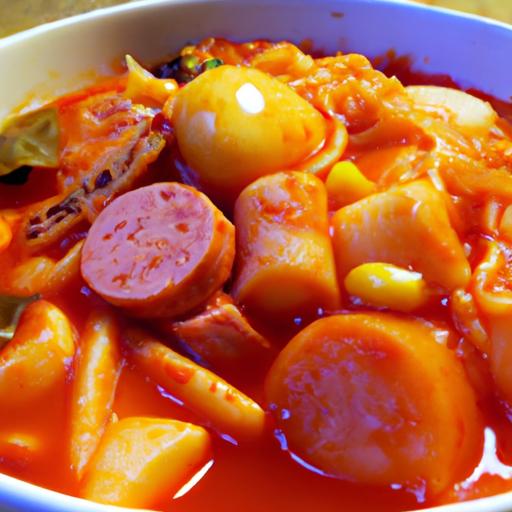

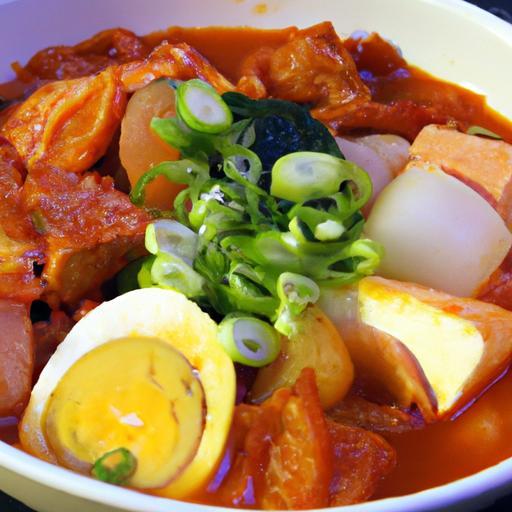
In the bustling kitchens of Korea, Budae Jjigae-often dubbed the “Army Stew”-has long simmered as a spicy, savory symbol of resilience and culinary creativity. Traditionally brimming with hearty ingredients like sliced Spam and sausages, this iconic stew tells a story of post-war ingenuity, where resourcefulness met flavor in a bubbling pot.But what if you could savor its fiery warmth and complex layers of taste without the canned meat? Welcome to a fresh take on Budae Jjigae-fiery, comforting, and entirely Spam-free.In this article, we’ll explore how to recreate this beloved dish using innovative substitutions that honor tradition while inviting a new twist, proving that great flavor needs no compromise.
Fiery Korean Army Stew: Budae Jjigae Made Spam-Free invites you on a vibrant culinary adventure where bold, spicy flavors meet rich, comforting umami-all without relying on processed meats like Spam. This beloved Korean classic, born from post-war ingenuity, transforms into an inspiring stew that bursts with fresh ingredients, innovative proteins, and a perfectly balanced broth that dances on your palate. Whether you’re craving deep spice, hearty textures, or a stew to share, this Spam-free twist elevates Budae Jjigae into a wholesome, fiery celebration of Korean flavor.
Prep and Cook Time
- Planning: 20 minutes
- Cooking: 35 minutes
- Total Time: 55 minutes
yield
Serves 4 hearty portions
difficulty Level
Medium – approachable for adventurous home cooks ready to master layers of flavor
Ingredients
- 4 cups vegetable broth (preferably homemade or low-sodium)
- 2 tablespoons Korean gochujang (fermented chili paste)
- 1 tablespoon gochugaru (Korean chili flakes)
- 2 teaspoons soy sauce (or tamari for gluten-free)
- 1 tablespoon sesame oil
- 3 cloves garlic, minced
- 1 teaspoon ginger, finely grated
- 200g firm tofu, cubed
- 150g shiitake mushrooms, sliced
- 1 cup kimchi, chopped
- 150g plant-based chicken-style strips (or any textured vegetable protein)
- 1/2 cup canned baked beans (drained)
- 1 medium yellow onion, thinly sliced
- 100g rice cakes (tteok), soaked if hard
- 2 green onions, sliced diagonally
- 100g napa cabbage, chopped
- 1 block (100g) instant ramen noodles (optional)
- 1 teaspoon sugar or maple syrup (balances heat)
- Salt and freshly ground black pepper to taste
instructions
- Prepare the broth base: In a large pot, heat the sesame oil over medium heat. Add the minced garlic, grated ginger, and sliced onion. Sauté until fragrant and translucent, about 3-4 minutes.
- Add spice elements: Stir in the gochujang and gochugaru. Cook for 1-2 minutes while stirring constantly to toast the chili paste and deepen flavors without burning.
- Build the broth: Slowly pour in the vegetable broth, whisking gently to incorporate the chili mixture evenly. Add soy sauce and sugar for a perfect spicy-savory balance. Bring the broth to a gentle simmer.
- Layer fresh components: Add the chopped kimchi, sliced shiitake mushrooms, napa cabbage, and rice cakes. Allow simmering for 10 minutes to soften vegetables and infuse flavors.
- Introduce protein alternatives: Gently add tofu cubes and plant-based chicken strips. Stir carefully to distribute without breaking the tofu. Let the stew cook for another 10 minutes to heat through.
- Enrich texture: Fold in the baked beans for a sweet and smoky twist.Adjust seasoning with salt and pepper according to taste.
- Optional noodles: If using ramen noodles, add them in the final 4 minutes of cooking. They’ll absorb the broth’s fiery essence, contributing chewy comfort.
- Finish with greens: Just before serving, sprinkle sliced green onions to add fresh brightness and gentle crunch.
Tips for Success
- Broth Balance: Taste at every stage and adjust the level of heat with more gochugaru or sweetness with a touch more sugar.
- Protein variations: Explore other plant-based alternatives like tempeh, seitan chunks, or even marinated mushrooms for a meaty texture without processed meats.
- Make-ahead: The stew flavors deepen overnight; reheat gently and add fresh greens before serving.
- Customize texture: For a thicker broth, briefly mash some of the beans and kimchi against the pot’s side before simmering.
- Spice control: Reduce gochugaru by half for a milder stew, or add more for daring heat seekers.
Serving Suggestions and Pairings
Present your bowl of fiery Korean army stew steaming hot with a side of fluffy steamed white rice to temper the spice. Garnish with toasted sesame seeds and a crisp sheet of roasted gim (seaweed) for contrast.A small dish of pickled radishes or cucumber salad adds refreshing crunch and acidity. Pair with a cold barley tea (boricha) or sparkling cold water to cleanse the palate.
For a communal experience, serve the stew in a shallow stone pot or a heavy cast iron skillet right at the table, inviting diners to scoop noodles and proteins with chopsticks or spoons, making every spoonful a perfect harmony of spicy, umami, and fresh ingredients.

| Nutrient | Per Serving |
|---|---|
| Calories | 350 kcal |
| Protein | 22 g |
| Carbohydrates | 40 g |
| Fat | 10 g |
| Fiber | 7 g |
For more spicy Korean recipes that embrace bold flavors and fresh ingredients, check out our collection of fiery stews. To deepen your understanding of Korean culinary techniques, Seoulistic’s detailed guide to Korean sauces and pastes offers invaluable insights.
Q&A
Q&A: Fiery Korean Army Stew-Budae Jjigae Made Spam-Free
Q1: What is Budae Jjigae, and why is it so beloved in Korean cuisine?
A: Budae Jjigae, or “Army Stew,” is a vibrant Korean hot pot that fuses conventional flavors with unexpected ingredients, historically born from the resourcefulness during the Korean War. It’s beloved for its bold, spicy broth and the comforting medley of meats, noodles, tofu, and vegetables simmered together-creating a communal experience that warms both body and spirit.
Q2: Why create a Spam-free version of Budae Jjigae?
A: While classic Budae Jjigae famously features Spam, many modern eaters seek alternatives that align better with their dietary choices or preferences. A Spam-free version embraces creativity, focusing on fresh, wholesome ingredients that still capture the stew’s signature fiery kick without relying on processed meats.
Q3: What ingredients can replace Spam to maintain the stew’s hearty character?
A: To substitute Spam, think lean, savory proteins like firm tofu, seitan, or textured vegetable protein. Mushrooms such as king oyster or shiitake add umami depth, while thin slices of beef or chicken breast (if preferred) offer a clean, juicy bite. The key is balancing textures and flavors to achieve that satisfying stew experience.
Q4: How do you build the fiery broth without traditional processed meats?
A: The broth shines through a bold blend of gochujang (Korean chili paste), gochugaru (chili flakes), garlic, soy sauce, and a touch of sweetness from sugar or honey. Anchovy stock or vegetable broth grounds the base with umami. These layers create the iconic spicy, savory warmth at the heart of Budae jjigae.
Q5: What are some creative vegetable additions that elevate this Spam-free stew?
A: Crisp Napa cabbage, tender zucchini slices, and earthy mushrooms add freshness and texture. Enoki mushrooms bring delicate sweetness, while kimchi infuses tangy, fermented complexity. Scallions and crushed garlic punch up the aromatics, making every spoonful vibrant.
Q6: How is this stew traditionally served,and can the Spam-free version preserve that communal spirit?
A: traditionally,Budae jjigae is cooked and eaten directly from a large simmering pot at the table,encouraging everyone to share the warmth and depth of flavor together. The Spam-free adaptation fully preserves this ritual-inviting friends and family to dip spoonfuls of spicy stew, noodles, and veggies together, fostering connection alongside culinary delight.
Q7: Any tips for first-timers attempting this fiery stew at home?
A: Start by layering flavors thoughtfully: build your broth early, allowing spices to meld. Don’t overcrowd the pot-add ingredients in stages so everything cooks evenly. Customize heat level by adjusting gochujang and chili flakes to your liking. And remember, patience is key; slow simmering unlocks that rich, integrated flavor everyone craves.
With this Spam-free take on Budae Jjigae, you get all the fiery passion of the classic Korean army stew, reimagined for a fresher, lighter, yet equally satisfying feast!
Concluding Remarks
As the steam rises from your bowl of budae jjigae, rich with the harmonious blend of spicy gochujang and hearty vegetables, you’ll discover that this iconic Korean army stew doesn’t need its traditional canned meats to deliver a satisfying punch. By embracing fresh, flavorful ingredients, this spam-free rendition honors the dish’s resourceful spirit while inviting a new generation to savor its essence-one spicy, comforting spoonful at a time. Whether you’re a seasoned fan or a curious newcomer, this twist on budae jjigae proves that sometimes, tradition tastes even better when reinvented.