
In the bustling streets of vibrant cities and the cozy corners of home kitchens alike, one golden, crispy treasure has captured hearts and appetites across the globe: the samosa. More than just a savory snack, the samosa carries within its flaky layers a tapestry of history, culture, and culinary artistry that spans centuries and continents. Journey with us as we peel back the crust to reveal the rich origins of this beloved delight-uncovering the secrets behind its irresistible crunch, the diverse fillings that tell stories of trade and tradition, and the ways it has evolved from royal courts to street-side stalls. Welcome to “Samosa Secrets,” where every bite is a flavorful window into a engaging past.
Samosa Secrets reveal a tantalizing blend of history, culture, and culinary artistry that elevates this crispy delight far beyond a simple snack. Originating from the spice-laden kitchens of Central Asia and journeying across India’s vibrant regions, the samosa is a pastry that embodies centuries of tradition and innovation. My earliest memories of samosas are of the golden triangles steaming hot from the street vendor’s basket, their savory aroma mingling with the bustling market air. Today, mastering this iconic treat means embracing both its rich past and the exciting contemporary twists that make every bite irresistible.
Prep and Cook Time
- Planning: 30 minutes
- Cooking: 20 minutes
- Total Time: 50 minutes
Yield
Makes approximately 20 medium-sized samosas
Difficulty Level
Medium – Perfect for home cooks ready to take on a rewarding challenge with crispy results
Ingredients
- For the crust:
- 2 cups all-purpose flour, sifted
- 4 tbsp vegetable oil or melted ghee
- ½ tsp salt
- 6-8 tbsp cold water, as needed
- 2 tbsp semolina (sooji) for enhanced crispness (optional)
- For the customary filling:
- 3 medium potatoes, boiled and mashed
- 1 cup green peas, boiled
- 1 tbsp vegetable oil
- 1 tsp mustard seeds
- 1 tsp cumin seeds
- 1-2 chopped green chilies (adjust to taste)
- 1 tbsp fresh ginger, grated
- 1 tsp garam masala
- ½ tsp turmeric powder
- 1 tsp amchur (dry mango powder) or lemon juice
- Salt to taste
- Fresh cilantro, chopped (optional)
- For frying:
- Vegetable oil or canola oil, for deep frying
Instructions
- Prepare the dough: In a large bowl, combine all-purpose flour, semolina, and salt. Add vegetable oil or melted ghee and rub it into the flour until it resembles coarse crumbs. Gradually add cold water,a tablespoon at a time,to form a firm,smooth dough. Cover and let it rest for 30 minutes.
- Make the filling: Heat oil in a pan over medium heat. Add mustard seeds and cumin seeds, letting them splutter. Toss in green chilies and ginger, sautéing for 1 minute until fragrant.
- Add peas and mashed potatoes. Stir in turmeric, garam masala, amchur powder, and salt. Cook for 5 minutes, mixing well so flavors meld but avoid overcooking. fold in fresh cilantro. Let the mixture cool.
- Shape the samosas: Divide the dough into 20 equal portions. Roll each into a smooth ball. On a lightly floured surface, roll each ball into a 6-inch circle. Cut the circle in half, forming two semi-circles.
- Take one semi-circle, fold it into a cone by bringing the straight edges together, sealing with a dab of water. Fill the cone generously with the potato-pea mixture, leaving room at the top to seal.
- Seal the open edges carefully, pressing firmly to avoid leaks. Repeat with remaining dough and filling.
- Fry to perfection: Heat oil to 350°F (175°C) in a deep pan. Test by dropping a small piece of dough; it should bubble and rise steadily without burning.
- Fry samosas in batches, turning frequently for even golden-brown coloration. Remove once crisp and flaky, draining excess oil on paper towels.
Tips for Success: Mastering the Art of the Perfect Crispy Samosa Crust
- Use cold water when kneading dough for a crispier texture.
- Incorporate semolina into the dough to add extra crunch while frying.
- Do not overfill the samosas – a neat pocket helps maintain the shape and prevents the filling from spilling.
- Maintain consistent oil temperature; too hot leads to burnt outsides and raw insides, too cool makes them soggy.
- For a lighter fry, consider air-drying samosas for 10 minutes before frying to form a thin dry layer.
- Try baking samosas at 400°F (200°C) for a healthier alternative, brushing them with oil before baking until golden and crisp.
Flavorful Filling Inspirations from Traditional to Contemporary
While the classic potato and peas filling is beloved, samosas invite culinary creativity. Spice lovers may savor additions like cooked minced lamb or chicken, infused with fragrant spices. Vegetarian variations might include lentils,paneer with fresh herbs,or a tangy beetroot and feta blend. For a twist on the sweet side, fillings like spiced apple and cardamom create a dessert-worthy samosa that still embraces the pastry’s crispy legacy.
Serving Suggestions
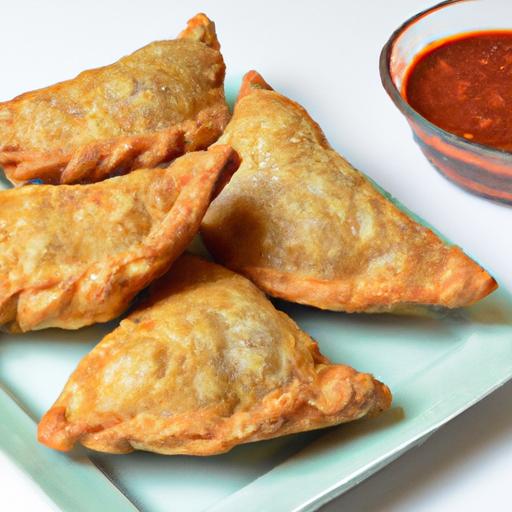
Serve samosas hot with vibrant accompaniments like fresh tamarind chutney, cooling mint yogurt sauce, or spicy green chutney. Garnish with freshly chopped cilantro and a sprinkle of toasted cumin powder for added aroma.Pair with steaming cups of chai tea or a zesty mango lassi to elevate the experience. arrange samosas on a rustic wooden platter or colorful ceramics for appealing contrast and sharing delight.
| Nutrient | Per 2 Samosas |
|---|---|
| Calories | 320 kcal |
| Protein | 6 g |
| Carbohydrates | 38 g |
| Fat | 15 g |

Embrace the captivating ancient tapestry of the samosa as you create yoru own crispy marvels. For more spice-driven recipes and culinary explorations, discover our Spicy Indian Snacks Collection.
Q&A
Q&A: Samosa Secrets – Exploring the Crispy Delight’s rich origins
Q1: What exactly is a samosa, and why has it captured hearts worldwide?
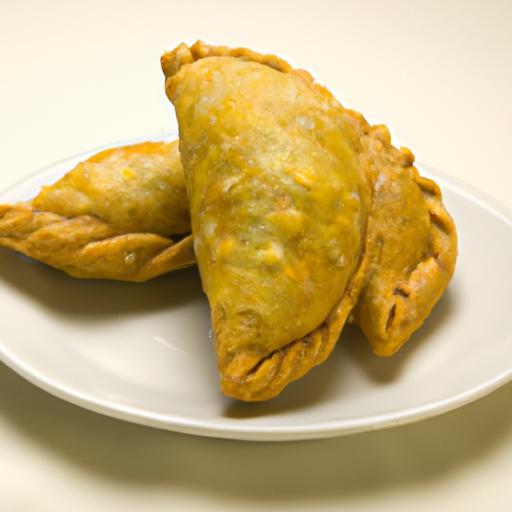
A1: A samosa is a golden, crispy pastry pocket typically stuffed with a savory filling such as spiced potatoes, peas, lentils, or minced vegetables. Its irresistible crunch paired with bold, fragrant spices creates a burst of flavor in every bite. Originating centuries ago, the samosa’s blend of texture and taste has transcended borders, making it a beloved snack from the bustling streets of South Asia to global culinary tables.
Q2: Where did the samosa originate, and how did it evolve?
A2: The samosa’s journey begins in the medieval Middle East, where a dish called “sanbusak” was popular. Traders and travelers introduced it to India around the 13th or 14th century, where it transformed with local spices and ingredients into the samosa we know today. Over time, regional variations emerged, reflecting diverse cultural influences-from the smoky chaat-style samosas of Mumbai to the sweet and savory versions found in Central Asia.
Q3: What makes a samosa’s texture so uniquely crispy?
A3: The magic lies in its delicate dough and frying technique. Traditional samosa dough is frequently enough made from all-purpose flour mixed with a touch of oil or ghee, rolled thin yet strong enough to hold the filling. When deep-fried at the right temperature,the outer layer crisps up beautifully,creating a satisfying crunch that contrasts delightfully with the soft,flavorful interior.
Q4: How do the spices in a samosa reflect its rich cultural tapestry?
A4: Each spice in the samosa’s filling tells a story of trade, heritage, and regional tastes.Commonly,ingredients like cumin,coriander,garam masala,turmeric,and fresh green chilies create a bold and earthy profile. These aromatic spices not only tantalize the palate but also nod to the ancient spice routes that brought diverse flavors across continents, enriching the samosa with centuries of culinary history.
Q5: Are samosas always vegetarian, or do different regions include other fillings?
A5: While the classic samosa is vegetarian, featuring spiced potatoes and peas, many regions infuse their samosas with various fillings reflecting local preferences. Some popular alternatives include lentils, paneer (Indian cottage cheese), or minced vegetables sautéed with herbs and spices. In some places, heartier versions use ground chicken or lamb, carefully seasoned to complement the crisp pastry without overpowering its delicate crunch.
Q6: How has the samosa adapted to modern tastes and global cuisine trends?
A6: The samosa is a versatile canvas inviting innovation. Contemporary chefs experiment with fillings like quinoa and kale for health-conscious eaters or sweet options filled with coconut and jaggery for a dessert twist. Vegan and gluten-free adaptations also flourish,allowing everyone to enjoy this classic snack while honoring dietary needs and preferences. Its adaptability keeps the samosa relevant and exciting in kitchens worldwide.
Q7: What cultural significance does the samosa hold beyond being a snack?
A7: Beyond its deliciousness, the samosa symbolizes hospitality and festivity in many cultures. It’s a staple at celebrations, street fairs, and family gatherings, representing warmth and shared joy. Its presence frequently enough sparks conversations and connections, bridging generations and communities through the universal pleasure of savoring crispy, spiced bites together.
Q8: Can you share a tip for making perfect samosas at home?
A8: Absolutely! The key is patience and precision. Roll the dough thin but sturdy, avoid overfilling the pockets, and ensure the oil is hot enough (around 350°F or 175°C) before frying. This prevents the samosas from soaking oil and keeps them crisp. And don’t forget to spice the filling generously-balanced seasoning elevates the humble samosa to a sublime treat.
to Conclude
As we savor the final crumbs of this exploration into samosa’s storied past, one thing becomes clear: this crispy delight is much more than a snack. It’s a delicious tapestry woven from centuries of cultural exchange,culinary ingenuity,and regional flair. Whether filled with spiced potatoes, savory meats, or unexpected twists, the samosa carries stories that transcend borders and bring people together around a shared love of flavor. So, the next time you bite into that golden triangle of goodness, remember-you’re tasting a rich legacy that continues to evolve, one crispy layer at a time.