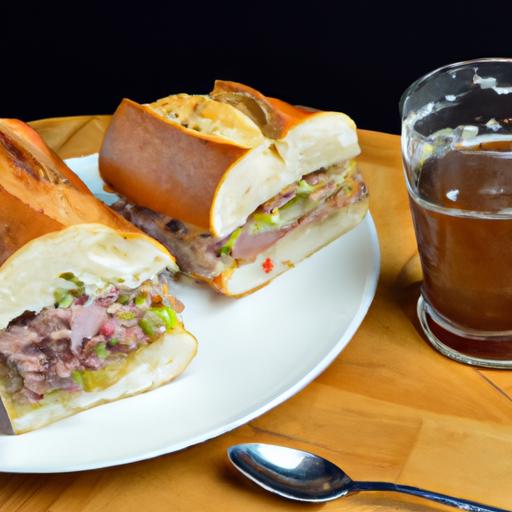

There’s something undeniably satisfying about sinking your teeth into a sandwich that’s equal parts hearty and indulgent-a culinary experience that warms the soul wiht every bite. Enter the classic French Dip, a timeless creation that has captivated taste buds for generations. originating from the bustling streets of Los angeles but inspired by French flavors,this sandwich offers a harmonious blend of tender roast beef,crusty bread,and a savory jus dip that transforms each mouthful into a rich,flavorful journey. In this article, we’ll explore the origins, techniques, and secrets behind savoring the classic French Dip-a delicious dive into a sandwich that’s as comforting as it is iconic.
Savoring the classic French Dip sandwich is more than just enjoying a meal; it’s stepping into a rich culinary journey that weaves together history, tradition, and mouthwatering flavors.This iconic sandwich, born from California’s diverse food scene, has evolved from a humble roast beef-filled bread dipped in savory au jus, to a beloved feast that epitomizes comfort and indulgence. Weather you’re a novice or a seasoned cook, mastering this recipe will allow you to craft an unforgettable French Dip experience right in your kitchen.
Prep and Cook Time
Readiness: 15 minutes
Cooking: 1 hour 20 minutes
Total Time: 1 hour 35 minutes
Yield
Serves 4 generous sandwiches
Difficulty Level
Medium – Perfect for cooks ready to flex some culinary muscle while enjoying a rewarding outcome.
Ingredients
- 3 pounds beef chuck roast, trimmed
- 2 tablespoons olive oil
- 1 large onion, thinly sliced
- 4 cloves garlic, minced
- 4 cups beef broth (low sodium preferred)
- 1 tablespoon Worcestershire sauce
- 2 teaspoons soy sauce
- 1 teaspoon dried thyme
- 1 teaspoon black pepper, freshly ground
- 6 French rolls or baguette pieces, fresh and crusty
- 8 ounces thinly sliced roast beef (preferably from your cooked chuck roast)
- Salt to taste
- Butter, for toasting bread
- Fresh parsley (optional, for garnish)
Instructions
- Preheat your oven to 325°F (163°C). Pat the beef chuck roast dry and season generously with salt and freshly ground black pepper.
- Heat olive oil in a large Dutch oven over medium-high heat.Sear the roast on all sides until a rich, golden crust forms, about 4-5 minutes per side. Remove and set aside.
- add sliced onions and garlic to the same pot, sautéing until they caramelize and turn golden brown, about 10 minutes. Stir frequently to prevent burning and bring out deep sweetness.
- Pour in beef broth, Worcestershire sauce, soy sauce, and thyme. Stir to combine, scraping up any browned bits stuck to the bottom. Return the roast to the pot, submerging it in the liquid.
- Cover and transfer to the oven, letting the roast braise gently for 1 hour 15 minutes to 1 hour 30 minutes, or until fork-tender.Avoid opening the lid too ofen to retain moisture and flavor.
- Remove the roast from the pot and tent it with foil to rest. Carefully strain the braising liquid through a fine sieve into a saucepan-this will become your rich, authentic au jus sauce.
- Simmer the strained au jus over medium heat, reducing slightly to intensify flavor. Taste and adjust seasoning with salt and pepper if needed.
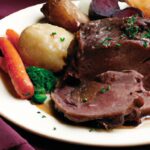
- Slice the roast beef thinly, against the grain, ensuring tender, juicy pieces perfect for filling the sandwich.
- Butter the bread lightly and toast it in a hot skillet until golden and crisp, enhancing texture and flavor balance.
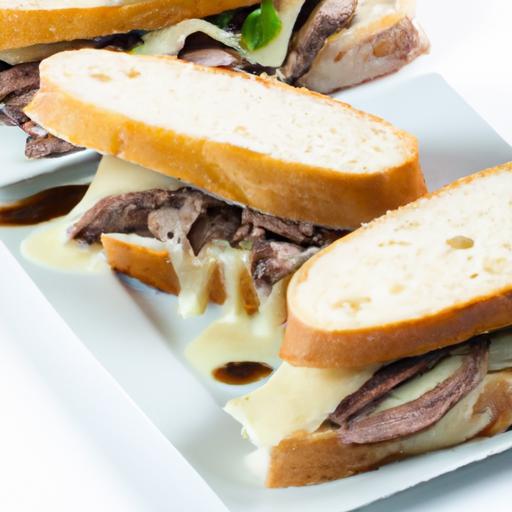
- Assemble the sandwich by piling sliced roast beef generously on the toasted rolls. Serve piping hot with a side bowl of warm au jus for dipping.
Chef’s Notes: tips for Success
- Use high-quality beef chuck for the best flavor and tenderness after slow braising.
- if you prefer a more intense au jus, add a squeeze of fresh lemon juice or a splash of balsamic vinegar during reduction.
- Substitute French rolls with crusty baguette or ciabatta for different textures.
- To make this dish ahead, roast and slice your beef a day early; store au jus separately and gently reheat before serving.
- For a smoky edge, add a few drops of liquid smoke to the au jus while reducing.
Serving Suggestions
The magic of the French Dip comes alive when paired thoughtfully. serve your sandwich hot and steaming with a ramekin of robust au jus for dipping. Garnish the plate with crisp dill pickles and a handful of crunchy shoestring fries for the perfect companion. A light salad with a zesty vinaigrette offers refreshing contrast, balancing the richness of the beef.
| Nutrient | Per Serving |
|---|---|
| Calories | 620 kcal |
| Protein | 48 g |
| Carbohydrates | 45 g |
| Fat | 22 g |
Related read: Explore our Ultimate Beef tenderloin Recipes for more exquisite beef dishes.
For a deep dive into the history and variations of French cuisine, visit French Foodie Magazine.

Q&A
Q&A: Savoring the Classic french Dip – A Delicious Dive In
Q1: What exactly is a French dip sandwich?
A: The french Dip is a mouthwatering creation born in the early 20th century: a tender roast beef-filled sandwich served on a crusty roll, traditionally dipped-or “dunked”-into rich, savory beef au jus. It’s a delightful marriage of juicy meat and flavorful broth that elevates simple ingredients into an irresistible experience.
Q2: Where did the French Dip originate?
A: Legend has it that the French Dip was born in Los Angeles, not France, in the early 1900s. Two iconic eateries, philippe’s and Cole’s, each claim to have invented it. Regardless of its true birthplace, this sandwich has marched confidently into hearts worldwide with its unique combination of crusty bread, tender beef, and luscious jus.
Q3: What makes the au jus so special?
A: Au jus is the soul of the French Dip. This thin, flavorful beef broth extracts the essence of slow-roasted meat and aromatic herbs. Unlike thick gravies, au jus is light and vibrant, perfectly complementing the sandwich without overpowering it, making every dip a juicy celebration.
Q4: Can the French Dip be customized?
A: Absolutely! While classic French Dips stick to roast beef and au jus, modern takes experiment with cheeses like provolone or Swiss, caramelized onions, horseradish sauce, or even different meats like lamb or turkey. The beauty lies in the sandwich’s versatility-each bite can be tailored to your craving.
Q5: How do you eat a French Dip without making a mess?
A: The secret is in the dip technique. Take a modest bite of the sandwich first; then, gently dip the bread’s end into the au jus, allowing it to soak just enough without collapsing. Some lovers even alternate bites of dry sandwich and au jus-soaked bread. Napkins are your best friend here-embrace a little delicious mess.
Q6: Why is the French Dip still so popular today?
A: Its enduring appeal comes from that perfect balance of textures and flavors-the crunchy bread, tender beef, and savory jus create a comforting yet exciting eating experience.plus, it evokes a sense of nostalgia, a culinary nod to a classic era while remaining endlessly adaptable to modern tastes.
Q7: Any tips for making the perfect french Dip at home?
A: Start with high-quality roast beef-thinly sliced and warm. Choose a sturdy yet airy baguette or sandwich roll that can hold up to dipping. Simmer a homemade au jus using beef drippings, broth, garlic, and herbs for the richest flavor. And don’t be shy-dip generously to savor that iconic juicy goodness!
Savoring the classic French Dip is more than just a meal; it’s a flavorful dive into history, comfort, and culinary craftsmanship. Ready to dip in?
Key Takeaways
As the aroma of tender roast beef and the rich, savory jus lingers in your mind, savoring a classic French Dip becomes more than just a meal-it’s a journey into culinary tradition. This humble sandwich, with its crispy bread and flavorful dipping broth, embodies the art of simple ingredients transformed into pure comfort. Whether enjoyed at a bustling café in Los Angeles or recreated in your own kitchen, the French Dip invites you to slow down and indulge in each succulent bite. So next time hunger calls, remember: sometimes, the most delicious dives are into timeless classics that have perfected the balance between richness and simplicity. Bon appétit!